What Is Grassland Butter and Why Is It Popular?
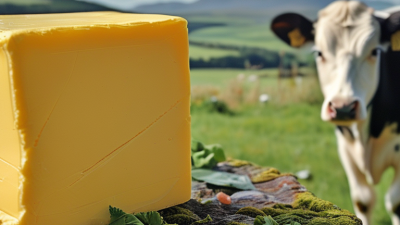
Grassland butter is attracting attention as shoppers look beyond a simple golden spread. It usually comes from milk produced by cows that graze pasture for part of the year. The result can be a richer aroma, a softer texture, and a deeper yellow color. Imagine warm toast, a clean dairy scent, and butter that melts slowly at the edges.
However, the term is not perfectly standardized. “Grass-fed,” “pasture-raised,” and “grassland butter” may describe different feeding systems. This matters. Production rules vary by country, and some labels allow supplementary grain or conserved forage. The U.S. Department of Agriculture’s FoodData Central confirms butter is energy-dense and mainly composed of milk fat, while the FAO Food Outlook and OECD-FAO Agricultural Outlook track dairy demand, production, and sustainability pressures worldwide. These reports provide useful context, but they do not prove that every pasture-based butter has identical nutritional or environmental benefits.
Research also suggests that cow diet can influence milk-fat composition. Yet the size of that difference depends on season, pasture quality, breed, processing, and storage. Marketing often sounds more certain than the evidence. That deserves scrutiny.
Interest in grassland butter also reflects wider consumer concerns about animal welfare, traceability, and farming landscapes. Still, pasture access alone cannot answer every sustainability question. Weather, land use, feed transport, farm management, and packaging all matter. A reliable comparison should examine the certification, feeding statement, origin, and nutrition panel—not only the attractive green imagery. This article explores what grassland butter means, why its flavor and image are popular, and where its strongest claims need a closer look.
What Grassland Butter Means: No Universal Definition and USDA’s 80% Rule
What does “grassland butter” mean? Usually, it suggests butter made from milk produced by cows eating pasture or forage. Yet the phrase has no single, universal legal definition. That matters. USDA guidance is more specific for some grass-fed claims, while dairy wording can depend on documentation and approval. The often-cited 80% rule describes a minimum share of a cow’s diet from grass and forage. It does not guarantee year-round grazing.
Feed records matter more than green packaging. Hay, silage, pasture, and seasonal conditions can influence the resulting milk. USDA NASS Milk Production, Disposition, and Income, 2023, reported roughly 2.1 billion pounds of U.S. butter production. That scale makes clear labeling important. USDA ERS Dairy Data tracks dairy production, prices, and per-capita availability, but it does not classify every butter product by feeding system.
In practice, I look for a verified feeding statement, certification details, and the exact label claim. Deep yellow butter can look persuasive. Color alone proves little. Fresh forage may increase beta-carotene, but breed, season, and processing also matter. Even the 80% figure deserves caution. Does it describe dry matter, annual averages, or a private standard? Grassland butter can signal a production approach, not automatically superior nutrition.
How Grass-Based Diets Shape Butter’s Color, Flavor, and Seasonal Fat Profile
Grassland butter comes from cream produced by cows that eat a grass-rich diet. Fresh pasture can influence the butter’s color, aroma, and texture. That feed reaches the churn indirectly.
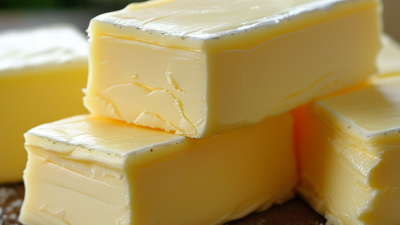
Spring and summer milk often creates butter with a warmer yellow tone. Pigments such as beta-carotene contribute to this color. The shade may deepen when cows eat leafy pasture. Color is a clue, not proof. Winter butter may look paler when diets rely more on conserved hay or other stored feeds.
Pasture also affects butter’s fat profile across the year. Grass-based diets can increase certain unsaturated fats, including omega-3 fatty acids and conjugated linoleic acid. However, the amounts vary with forage quality, weather, breed, and feeding practices. The differences are real, but modest. They should not be exaggerated.
Flavor can shift too. Fresh grass may bring buttery, sweet, or lightly herbal notes. Stored forage can produce a quieter, rounder taste. Temperature and storage also matter. A kitchen comparison often shows these changes clearly, especially on warm toast.
I once assumed deeper yellow always meant better butter. That idea is too simple. Reliable evaluation needs feed records, laboratory testing, and careful tasting. Farming is seasonal, not perfectly controlled. That uncertainty is part of the story.
Meta-Analyses: About 62% More Omega-3 and 25% Less Omega-6:3
What Is Grassland Butter and Why Is It Popular?
Grassland butter comes from milk produced by cows that graze on pasture. Their diets often include fresh grass, herbs, and conserved forage. This feeding pattern can influence the butter’s fatty-acid profile. The color may look deeper, especially during the growing season. Its flavor can also seem more grassy, creamy, or gently nutty.
Meta-analyses report about 62% more omega-3 in dairy from pasture-based systems. They also indicate a roughly 25% lower omega-6 to omega-3 ratio. These numbers describe group averages, not guaranteed results for every package. Weather, soil, breed, storage, and supplemental feed can change the final composition. The figures sound precise. Real food is less tidy.
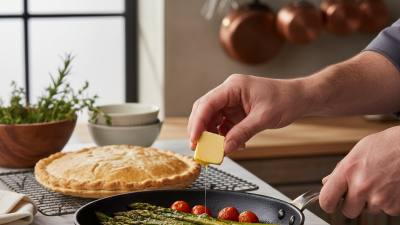
A lower omega-6 to omega-3 ratio may appear nutritionally attractive. Still, butter remains energy-dense and rich in saturated fat. I would not treat it as a health cure or eat unlimited amounts. In my kitchen, a small amount works well on warm vegetables or whole-grain toast. The flavor can make a modest serving feel satisfying. That practical benefit matters, although it is not the same as clinical evidence. People managing cholesterol or heart disease should discuss saturated-fat intake with a qualified health professional. Even pasture-based butter deserves a measured place on the plate.
How It Is Made and Labeled: Churning, Grading, and Grass-Fed Claims
What Is Grassland Butter and Why Is It Popular?
Grassland butter usually refers to butter made from cream produced by cows with substantial access to pasture. The term is appealing, but it does not have one universal meaning everywhere. Dairy rules and certification standards can differ by region. I once assumed “grass-fed” meant cows ate grass exclusively. That assumption was too simple.
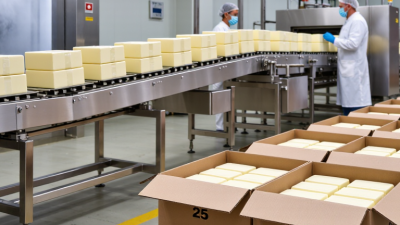
Butter begins with cream. During churning, cream fat gathers into small grains while liquid buttermilk separates. The grains are washed, worked, and shaped into a smooth block. Skilled processing matters. Overworking can create a greasy texture, while poor temperature control may leave butter crumbly. Grading often considers flavor, aroma, color, texture, and moisture. A good grade suggests consistent quality, not necessarily superior nutrition. Seasonal grass can also influence color, making butter appear deeper yellow in warmer months.
Tips: Read the full label, not only the front claim. Look for wording about pasture access, feed sources, certification, and production location. “Grass-fed” may describe part of the diet, while “grass-only” usually makes a narrower claim. Still, definitions should be checked locally. At home, compare two butters on warm toast. Notice spreadability, salt balance, and a clean dairy aroma. My own tasting notes are not scientific evidence, and preference can easily shape judgment. That is worth remembering.
Why It Is Popular: Nutrition, Sustainability, Taste, Price, and Limits
Grassland butter comes from milk produced by cows that spend meaningful time grazing pasture. The exact definition varies by region, so the label deserves careful reading. In practical terms, well-managed grassland butter often has a deeper yellow color and a softer, more herbal aroma. Spread it on warm toast, and its flavor can seem almost nutty. Some batches taste mild, however. Season, feed quality, and storage matter.
Nutrition helps explain its appeal, but it is not a miracle food. Grass-based dairy may contain slightly more omega-3 fats and fat-soluble vitamins than butter from heavily grain-fed systems. The difference is real, yet usually modest. Butter remains calorie-dense and high in saturated fat. A teaspoon is small; repeated thick slices are not. People with milk-protein allergies still need to avoid it, even when lactose levels are low.
Sustainability is more complicated than a green pasture photograph. Grazing can support soil cover and biodiversity when stocking rates protect the land. Poorly managed grazing can compact soil and increase emissions. The price is often higher because pasture systems need more land, labor, and seasonal planning. That cost may reflect production realities, not simply superior nutrition. Taste can justify the purchase for some households, but personal preference is not scientific proof. I would check farming claims, serving size, and independent nutrition guidance before treating grassland butter as an everyday upgrade.