2026 Best Milk Cream Products for Global Buyers?
The global dairy market has been witnessing significant growth, with projections indicating that the milk cream sector will reach a value of over $14 billion by 2026. This surge is driven by increasing consumer preferences for high-quality dairy products, especially in regions like North America and Europe. Milk cream is prized for its versatility, used in everything from desserts to sauces, enhancing both flavor and texture.
However, not all milk cream products are created equal. According to a recent industry report, there's been a notable shift toward organic and artisanal options. Consumers are more discerning, seeking products that align with health trends and sustainable practices. This shift has prompted manufacturers to innovate continually, focusing on quality and sourcing methods.
Despite the promising growth, challenges remain. The market is crowded, and brands must differentiate themselves to thrive. Issues like varying regulations and ingredient sourcing can complicate product development. As we explore the best milk cream products for 2026, understanding these dynamics will be crucial for global buyers.
Overview of Milk Cream Products Available in 2026
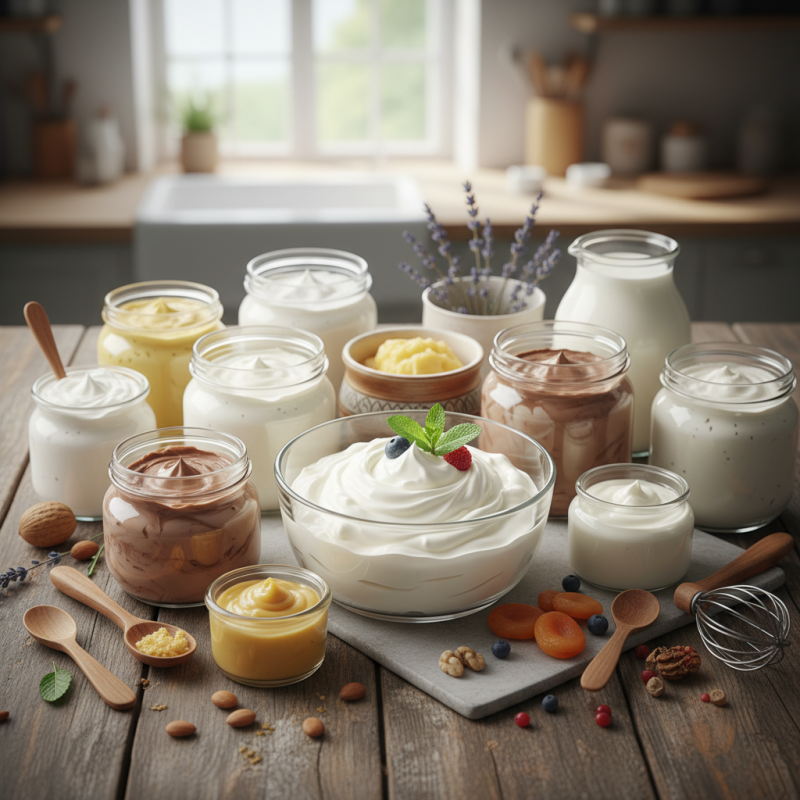
As we look into 2026, the milk cream product landscape is evolving. The focus is on versatility and quality. Many consumers are seeking products that cater to various dietary needs. Non-dairy options are gaining traction. They can offer similar textures and flavors, appealing to a broader audience.
Texture and flavor profiles are crucial considerations. Creams range from light to heavy, each suited for different culinary purposes. Directly sourced milk may provide fresher options. However, this raises questions about sustainability and ethical sourcing. It’s not just about taste; customers want to support responsible practices.
Packaging innovations are also significant. Many products now feature eco-friendly materials. This reflects a growing concern for the environment among consumers. Brands are experimenting, but not all achieve the perfect balance. The challenge lies in maintaining quality while embracing sustainability. The future will bring exciting developments, yet some hurdles remain.
2026 Best Milk Cream Products for Global Buyers
Key Characteristics of High-Quality Milk Cream
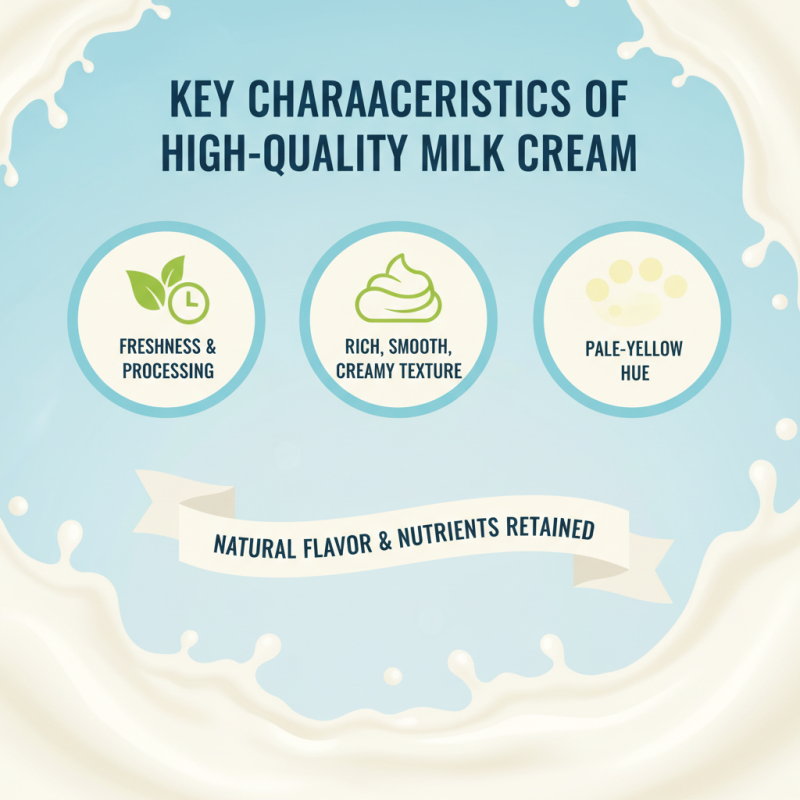
When selecting high-quality milk cream, certain characteristics stand out. Freshness is crucial. Look for products that prioritize minimal processing. This helps retain the natural flavor and nutrients. A creamy texture is also essential. It should be rich and smooth, without any grainy feel. Color can indicate quality; creamy, pale-yellow hues are often preferred.
Tips: Always check the expiration date. Fresh cream will have a shorter shelf life. Consider the source as well. Local dairy farms often provide fresher products.
Another key aspect is the fat content. Higher fat content typically results in a more luxurious texture. However, this can vary, so understanding your dietary needs is important. Ingredients should be simple; avoid those with preservatives or artificial additives.
Tips: Pay attention to how the cream behaves in recipes. Does it whip well? Does it separate? These details can indicate overall quality. Don’t shy away from trying different types. Experimentation can lead to delightful discoveries.
Top Global Brands Producing Milk Cream in 2026
The milk cream industry is evolving rapidly. 2026 shows promising growth, driven by rising consumer demand. Reports indicate a projected increase of 8.5% in the global milk cream market by 2026. Factors contributing to this growth include health trends and gourmet cooking interests.
Top global brands offer diverse options, from traditional to organic products. Innovations such as lactose-free cream are gaining traction. Consumers are increasingly seeking quality and sustainability in their milk cream choices. Sourcing from reputable suppliers enhances trust and establishes market presence. However, challenges like supply chain disruptions and fluctuating raw material prices still pose risks.
**Tips:** Always check for certifications when selecting milk cream. Look for organic labels to ensure quality. Consumer feedback is valuable; it informs better purchasing decisions. Embrace experimentation; try different creams for unique culinary applications. Balancing taste and nutrition is key.
Health Benefits Associated with Milk Cream Consumption
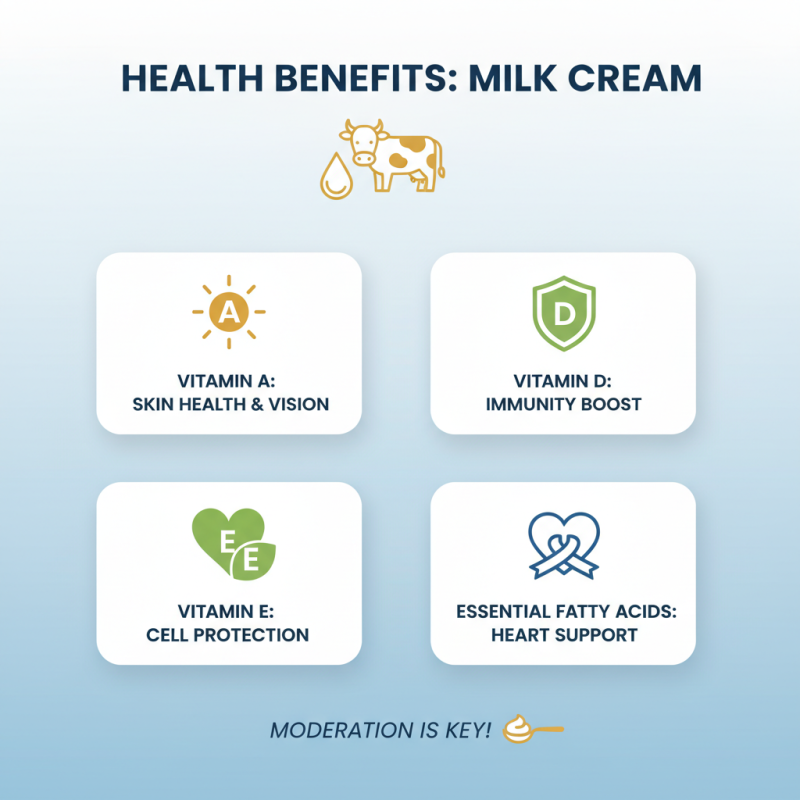
Milk cream is a nutrient-rich dairy product that offers various health benefits. It is high in vitamins A, D, and E, which are essential for our bodies. These vitamins support skin health, boost immunity, and improve vision. Additionally, milk cream contains essential fatty acids that help maintain heart health. However, it’s important to consider moderation.
Consuming too much milk cream can lead to excess calorie intake and increased cholesterol levels. Some people may experience digestive issues. It is crucial to listen to your body and gauge how it reacts. Incorporating milk cream in small amounts into balanced meals can enhance flavor and texture without risking health.
Including milk cream in recipes like soups or sauces can add richness. Moreover, using it as a topping for fruits can provide a delicious contrast. Overall, milk cream can be part of a healthy diet when consumed mindfully. Always consider your dietary needs and consult with a healthcare professional if uncertain.
Sustainable Practices in Milk Cream Production
Sustainable practices in milk cream production are becoming essential as global demand increases. The dairy industry contributes significantly to greenhouse gas emissions, accounting for 3% of the total. To address this, many producers are adopting eco-friendly farming methods. These include rotational grazing, which improves soil health. Healthy soil can sequester carbon, reducing overall emissions.
Investing in renewable energy sources also plays a key role. Solar panels and wind turbines can power dairy farms, lowering carbon footprints significantly. Studies suggest that these shifts could reduce emissions by up to 30% in the next decade. However, not all farms can access these technologies, which raises concerns about equity in sustainable practices.
Water usage remains a critical issue. Dairy production requires substantial water, leading to scarcity in some regions. Innovative water recycling methods can help mitigate this problem. Yet, the cost of implementing such systems can deter smaller producers. Industry reports highlight that while larger farms make these investments, smaller ones often lag behind, perpetuating systemic inefficiencies. Balancing sustainability and production efficiency is a challenge that requires ongoing reflection and adaptation.
Related Posts
-
2026 Top Trends in Milk Cream Products for Delicious Recipes?
-
How to Choose the Best Grass Fed Butter for Your Healthy Diet?
-
Why Choose Plant Butter for Your Cooking Needs?
-

Top 10 Uses for Bulk Butter in Cooking and Baking?
-
What Are the Health Benefits of Grass Fed Raw Milk?
-

How to Use Grassland Salted Butter in Your Cooking?