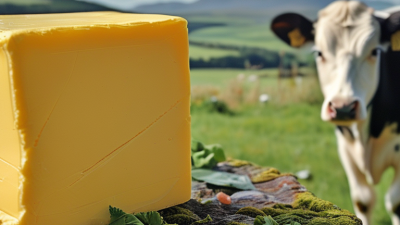
How to Source Unsalted Butter Globally in 2026?
Global sourcing of unsalted butter in 2026 requires more than comparing prices on a supplier spreadsheet. Buyers must examine cream origin, milk quality, production methods, storage conditions, and delivery reliability. Unsalted butter is highly sensitive to temperature, oxygen, moisture, and microbial risks. A small cold-chain failure can change its texture, aroma, and shelf life.
John Lucey, a respected dairy scientist and director at the Wisconsin Center for Dairy Research, has stated, “Butter quality begins with the quality of the cream.” This principle remains practical for international procurement. A strong sourcing plan should request cream specifications, moisture limits, microbiological results, allergen controls, and recent certificates of analysis. Supplier audits also deserve attention. Factory photos are not enough.
Look closely.
Buyers should compare suppliers across New Zealand, Europe, North America, and emerging dairy regions. Each market may offer different strengths in consistency, pricing, logistics, and sustainability. Incoterms, port capacity, insurance, and refrigerated storage can materially affect the final cost. Backup suppliers are essential when weather, energy prices, or trade disruptions affect production.
Still, no sourcing model is perfect. Forecasts can fail. A low-cost supplier may create expensive quality problems later. Smaller producers may offer excellent butter but limited documentation. This guide examines those trade-offs, helping procurement teams build a realistic supplier shortlist, verify product claims, and secure reliable unsalted butter without ignoring the risks behind an attractive quotation.

Define Global Specifications for Unsalted Butter
How to Source Unsalted Butter Globally in 2026?
Define Global Specifications for Unsalted Butter
A reliable global sourcing plan starts with one clear product specification. Unsalted butter should contain no intentionally added salt. However, milk naturally contains small amounts of sodium. Define an acceptable sodium limit, such as a tested maximum per 100 grams, rather than using vague wording.
Set the required milk-fat percentage, moisture range, color, flavor, and texture. For example, a specification may require a clean dairy aroma, pale cream color, firm texture, and no rancid or sour notes. Include microbiological limits, allergen declarations, country-of-origin details, and shelf-life requirements. Packaging should protect butter from light, oxygen, and temperature abuse. These details matter during long ocean shipments.
Tips: Request recent certificates of analysis, product samples, and production records before approval. Test samples independently when the purchase is significant. Confirm that the supplier can maintain the same specification across seasons. Milk composition changes. That is easy to overlook.
Cold-chain requirements must be written into the purchasing agreement. State loading temperatures, storage conditions, transport records, and acceptable delivery temperatures. Also define sampling methods and corrective actions for nonconforming lots. A specification is useful only when both sides interpret it identically.
A practical concern remains. One global template may not fit every market. Local labeling rules, dairy standards, and import documents can differ. Review the specification with qualified food technologists and local compliance professionals before shipment. Yet excessive complexity can slow sourcing. Keep the document strict where safety matters and flexible where natural variation is acceptable.
Identify Qualified International Suppliers
How to Source Unsalted Butter Globally in 2026?
Qualified international suppliers should pass more than a price comparison. The OECD-FAO Agricultural Outlook 2024-2033 expects global milk production to grow by about 1.6% annually. This growth may expand butter availability, but not every supplier offers stable quality. Request recent certificates for food safety systems, laboratory testing, allergen control, and cold-chain management. Ask for batch-level records, not polished brochures.
Check whether the supplier can provide unsalted butter with consistent fat content, moisture levels, and microbiological results. Product specifications should state grade, packaging format, shelf life, storage temperature, and production date. The International Dairy Federation’s World Dairy Situation 2024 highlights continuing differences in dairy costs, production efficiency, and market access across regions. A low quotation may hide higher freight, insurance, or inspection expenses.
Test before committing. Order samples from at least three qualified sources and compare texture, color, melting behavior, and performance in bakery trials. Confirm export experience through verifiable shipping documents and independent references. The USDA Foreign Agricultural Service’s Dairy: World Markets and Trade reports show that global butter trade remains much smaller than total production, making reliable export capacity important. Cold-chain failures happen. I would also review payment terms carefully; this step is easy to underestimate. Build a supplier scorecard covering quality, capacity, traceability, lead time, and corrective-action history. Reassess it after the first shipment.
How to Source Unsalted Butter Globally in 2026? - Identify Qualified International Suppliers
| Sourcing Market | Supplier Qualification Signals | Applicable Product Requirement | Typical Export Form | Recommended Buying Specification | Key Verification Documents | Commercial and Logistics Checks |
|---|---|---|---|---|---|---|
| European Union | Approved dairy establishment; HACCP-based food-safety system; third-party certification such as BRCGS, IFS or FSSC 22000; demonstrated export history. | Butter under EU rules generally contains 80%–90% milk fat, with no more than 16% water and no more than 2% dry non-fat milk matter. | 25 kg cartons, 10 kg blocks, or palletized bulk cartons under refrigerated conditions. | Unsalted; milk fat 82% minimum; moisture 16% maximum; non-fat milk solids 2% maximum; clean dairy flavor; no visible foreign matter. | Official establishment approval, HACCP plan, recent certificate of analysis, allergen statement, veterinary or health certificate, traceability and recall procedure. | Confirm export eligibility for the destination country, customs classification under HS 0405.10, cold-chain records, shelf life at shipment and applicable import duties. |
| New Zealand | Registration under the country’s dairy export-control system; risk-based food-safety program; eligibility for destination-market dairy export certificates. | Butter is generally traded as a standardized dairy fat product with at least 80% milk fat; destination-country compositional rules must also be met. | 25 kg cartons and larger commercial blocks, normally shipped frozen or chilled according to contract requirements. | Unsalted; milk fat 82.0%–84.0%; moisture not above 16%; stable texture after thawing; production date and lot code printed on each case. | Exporter registration, dairy risk-management documentation, certificate of analysis, export health certificate, origin documentation and cold-chain validation. | Assess sailing schedule, transit time, reefer-container availability, minimum order quantity, seasonal milk-supply effects and destination tariff treatment. |
| Australia | Registered dairy establishment; documented preventive controls; export-market approval where required; independent laboratory testing for release lots. | Butter should meet the importing country’s minimum milk-fat and maximum moisture requirements; Australian export documentation depends on destination regulations. | 10 kg or 25 kg corrugated cartons with food-grade inner wrapping; chilled or frozen reefer shipment. | Unsalted; milk fat at least 80%; moisture no more than 16%; peroxide value and free-fatty-acid limits agreed in the purchase contract. | Export registration, product specification, allergen declaration, microbiological results, residue statement, certificate of origin and health certificate where applicable. | Compare port-to-port lead time, reefer costs, currency exposure, trade-agreement benefits, insurance terms and temperature-excursion procedures. |
| United States | Registered food facility; preventive-controls compliance; documented sanitation program; ability to provide FDA-related import information and lot-level traceability. | U.S. butter standard requires at least 80% milk fat. Unsalted product should be clearly identified as containing no added salt. | 25 kg blocks, food-service cartons and bulk formats suitable for industrial bakery or food manufacturing. | Unsalted; milk fat 80% minimum, preferably 82%–84% for premium bakery use; moisture 16% maximum; no added preservatives unless declared. | Facility registration details, food-safety plan, allergen controls, certificate of analysis, FDA import data, recall plan and sanitary transportation records. | Check quota or tariff exposure, customs broker requirements, inland refrigerated delivery, pallet configuration and acceptance of electronic certificates. |
| Canada | Valid Safe Food for Canadians licence where applicable; preventive control plan; dairy establishment approval; documented export-market compliance. | Canadian butter generally contains at least 80% milk fat and is subject to federal compositional, labeling and inspection requirements. | 25 kg cartons or industrial blocks shipped under refrigerated conditions. | Unsalted; milk fat 82% minimum; moisture 16% maximum; consistent plasticity; bilingual labeling when required by the market. | Preventive control plan, licence information, inspection records, bilingual specification, allergen declaration, certificate of analysis and export certificate. | Review seasonal supply, border clearance, duty treatment, delivery temperature, case dimensions and minimum remaining shelf life on arrival. |
| Argentina and Uruguay | Government-approved dairy plant; export inspection capability; HACCP or equivalent controls; stable access to refrigerated port logistics. | Product must comply with the importing country’s dairy standard, including milk-fat, moisture, labeling and microbiological requirements. | 25 kg cartons or bulk blocks, normally shipped frozen or chilled in reefer containers. | Unsalted; milk fat 80% minimum; moisture 16% maximum; neutral flavor; full lot traceability from milk collection through export loading. | Plant approval, veterinary export certificate, certificate of analysis, residue-monitoring statement, origin certificate and container temperature records. | Validate port reliability, transit temperature, seasonal production, currency and payment risk, import permits and contingency routing. |
| India | Food-business licence; export registration where required; HACCP or ISO 22000-based system; reliable laboratory and cold-chain capability. | Imported butter must meet the destination market’s compositional and food-safety standards; confirm whether the product is dairy butter rather than a milk-fat blend. | Food-service cartons, industrial blocks or frozen bulk formats. | Unsalted dairy butter; milk fat at least 80%; moisture no more than 16%; no vegetable fat, added salt or undeclared additives. | Food-business licence, product formulation, laboratory certificate, allergen statement, residue and microbiological reports, health certificate and origin documents. | Confirm export-market eligibility, reefer availability, port dwell time, packaging performance in humid conditions and total landed cost. |
| Japan and South Korea | Strict importer documentation; robust allergen and traceability systems; validated microbiological testing; ability to meet local labeling and inspection requirements. | Destination regulations may require pre-import notification, health documentation and detailed labeling; verify current tariff quotas and inspection requirements before contracting. | Small industrial blocks, 10 kg cartons or 25 kg cartons with high-integrity inner packaging. | Unsalted; milk fat 82% minimum; low oxidation indicators; precise lot coding; packaging suitable for extended refrigerated distribution. | Health certificate, certificate of analysis, ingredient and allergen statement, manufacturing-flow description, origin certificate and import notification documents. | Evaluate quota allocation, language requirements, port inspection risk, shelf-life margin, temperature monitoring and local importer qualification. |
Verify Quality, Safety, and Regulatory Compliance
Sourcing unsalted butter in 2026 requires more than comparing quotations. USDA Foreign Agricultural Service’s Dairy: World Markets and Trade, April 2025, places global butter production above 12 million metric tons. That scale creates choice, but also uneven controls. I would prequalify dairies through audited food-safety systems, product specifications, recall history, and verified cold-chain capacity.
Use Codex Standard CXS 279-1971 as a practical quality baseline. It specifies at least 80% milk fat, no more than 16% water, and no more than 2% milk solids-not-fat. Each lot should include a certificate of analysis, production date, country of origin, allergen statement, and microbiological results. Test for pathogens, moisture, fat content, acidity, and sensory defects. Salt-free does not mean risk-free.
Temperature records deserve close attention. A single warm interval can soften cartons, accelerate oxidation, and complicate acceptance decisions. FAO’s Food Outlook reports continuing exposure to weather, feed, and animal-disease disruptions across dairy supply chains. Build dual sourcing and shipment-level traceability. Check destination-country labeling, import permits, veterinary certificates, and residue requirements before contracting. Requirements differ.
A certificate can still be wrong. I would verify selected results independently, especially after a supplier change. The weak point may be the freight handoff, not the dairy. Keep retained samples, photograph pallet conditions, and document every rejection.
How to Source Unsalted Butter Globally in 2026?
Verify quality, safety, and regulatory compliance against internationally recognized butter composition limits.
The benchmark is consistent across Codex Alimentarius, the United States, the European Union, and Australia/New Zealand: butter should contain at least 80% milk fat, no more than 16% water, and no more than 2% non-fat milk solids. For unsalted butter, confirm that no salt is intentionally added and verify the supplier’s product specification, certificate of analysis, microbiological results, allergen declaration, traceability records, and local import requirements.
Sources: Codex Standard for Butter (CXS 279-1971); U.S. FDA 21 CFR §131.110; Regulation (EU) No 1308/2013; Australia New Zealand Food Standards Code, Standard 2.5.6.
Compare Pricing, Logistics, and Import Requirements
How to Source Unsalted Butter Globally in 2026?
Sourcing unsalted butter in 2026 starts with landed cost, not the factory quotation. USDA Foreign Agricultural Service Dairy: World Markets and Trade, April 2025, places global butter output near 12 million metric tons. That volume supports availability, but milk cycles and energy costs still move offers quickly.
Compare quotes using HS code 0405.10, butterfat percentage, moisture, salt declaration, packaging, pallet weight, and delivery term. A refrigerated container quote is incomplete without electricity, port storage, inspection, and insurance.
Logistics can erase a small price advantage. UNCTAD’s Review of Maritime Transport 2024 says shipping carries over 80 percent of global merchandise trade by volume. For butter, temperature control matters more than an attractive freight rate. Request continuous temperature records from loading through customs release.
Build a landed-cost sheet in three currencies. Stress-test fuel, currency, demurrage, and port-delay changes. I have seen “cheap” offers fail when free storage ended. That risk is easy to underestimate.
Import rules need a country-by-country file. Authorities may require an approved dairy establishment, sanitary certification, health documents, labeling, and pre-arrival notification. The European Union commonly applies official border controls and uses TRACES NT for relevant consignments. Other markets use different portals and permits.
Check the destination authority before signing, not after dispatch. Review allergen wording, lot traceability, remaining shelf life, and recall contacts. Codex labeling guidance supports consistency, but local requirements can be stricter.
My practical compromise is two qualified origins, not one “perfect” supplier. More redundancy costs money. A missed delivery costs more.
Manage Contracts, Shipments, and Supply Risks
How to Source Unsalted Butter Globally in 2026?
Managing unsalted butter globally starts with a precise supply contract. Define butterfat percentage, moisture limits, packaging, lot size, and shelf life. Require lot-specific certificates of analysis and approved testing methods. A clear rejection process prevents disputes when quality changes during transit. I have learned that vague wording creates expensive delays.
Contracts should also assign responsibility for temperature records, customs documents, insurance, and delivery delays. Choose suitable delivery terms, but match them with real logistics capabilities. Cold chain discipline matters. Use data loggers inside selected cartons, not only on vehicles. Confirm loading temperatures before departure and inspect seals at arrival. A missed port connection can shorten usable shelf life quickly.
Supply risks require more than a backup supplier. Develop qualified sources from different regions and review their harvest, energy, and processing exposure. Monitor dairy output, weather disruptions, freight capacity, currency shifts, and border procedures each month. Hold carefully calculated safety stock near major production sites. Too much inventory increases storage costs and aging risk. Too little creates rushed purchasing. I still sometimes overestimate forecast accuracy, especially before holiday demand. That weakness deserves regular review. Small packaging changes can also affect pallet stability, handling, and customs inspections. Details decide outcomes.
Related Posts
-
How to Source Grassland Butter Globally in 2026?
-
Best Unsalted Butter for Baking Which Brands to Choose?
-

10 Tips for Choosing the Best Grass Fed Butter for Your Diet
-
How to Choose a Dairy Delivery Supplier in 2026?
-
2026 Best Milk Cream Products for Global Buyers?
-
What is Cow Milk and Its Health Benefits for Your Diet?