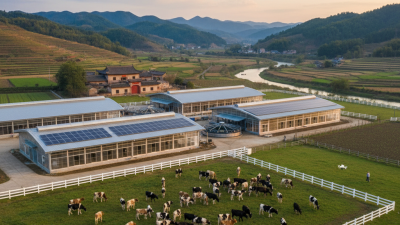
Why Is Dairy Farming Essential for Global Food Supply?
Dairy farming plays a crucial role in the global food supply. According to the Food and Agriculture Organization (FAO), dairy products provide approximately 6% of the world's energy intake and are vital for nutrition. In 2020, global milk production reached over 900 million tons, highlighting its significance.
Expert in dairy farming, Dr. Jane Smith, emphasizes, "Dairy farming is not just about milk; it supports entire communities." This statement reflects the industry's multifaceted role. Dairy farming contributes to economic stability and food security. It provides jobs and sustains livelihoods for millions worldwide, particularly in rural areas.
However, the industry faces challenges. Environmental concerns and market fluctuations require reflection and adaptation. Sustainability practices must be adopted to ensure dairy farming's resilience. Understanding these complex dynamics is essential for the future of our food systems.
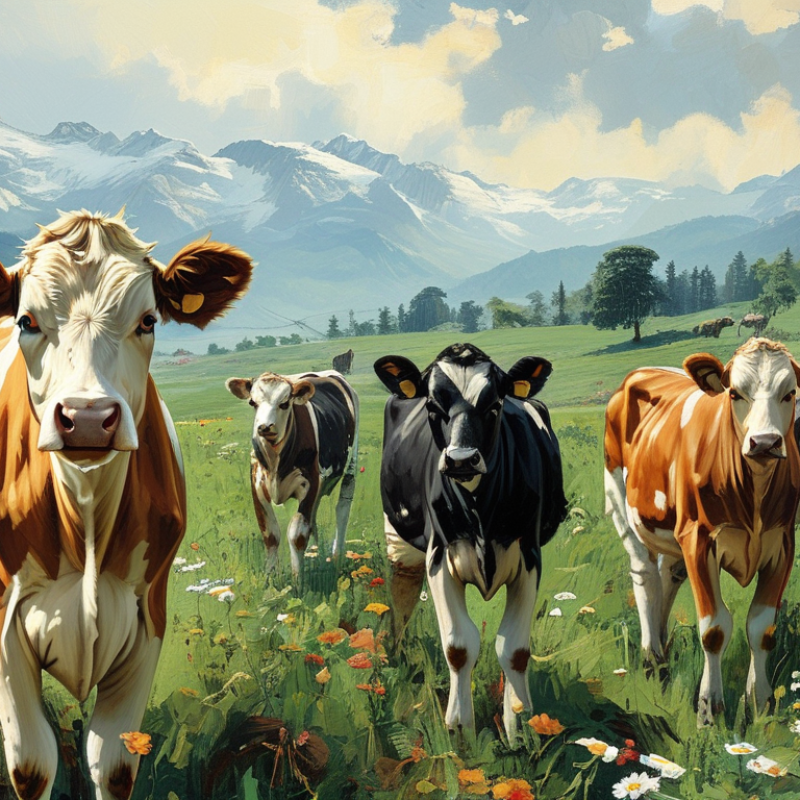
The Role of Dairy Farming in the Global Food Supply Chain
Dairy farming plays a crucial role in the global food supply chain. According to the Food and Agriculture Organization (FAO), approximately 750 million people rely on dairy as a primary source of nutrition. This industry contributes roughly 4% of the global GDP, underscoring its economic significance. Milk and dairy products are rich in essential nutrients. They provide calcium, protein, and vitamins vital for human health.
However, the dairy sector also faces challenges. Environmental concerns about greenhouse gas emissions from livestock are significant. Reports indicate that dairy farming accounts for around 3.4% of global emissions. Efforts to improve sustainability are ongoing. Innovations in feed efficiency and waste management are being explored. These advancements aim to reduce the carbon footprint of dairy operations.
The global demand for dairy products is projected to increase by 20% by 2025. This growth presents both opportunities and challenges. Ensuring food security while addressing environmental impacts necessitates a balance. Collaboration among farmers, scientists, and policymakers is vital. The complexity of the food supply chain requires a multi-faceted approach to maintain reliability and sustainability.
Why Is Dairy Farming Essential for Global Food Supply? - The Role of Dairy Farming in the Global Food Supply Chain
| Country | Milk Production (Million Metric Tons) | Dairy Cows (Million Head) | Per Capita Consumption (kg/year) | Contribution to GDP (%) |
|---|---|---|---|---|
| United States | 99.1 | 9.3 | 82.9 | 1.0 |
| India | 210.0 | 50.0 | 71.0 | 4.0 |
| Germany | 34.4 | 4.0 | 85.0 | 1.5 |
| France | 25.5 | 3.7 | 94.2 | 1.8 |
| China | 32.1 | 5.0 | 22.0 | 0.6 |
Nutritional Benefits of Dairy Products for Human Health
Dairy products are vital for our health. They are rich in essential nutrients like
calcium, protein, and
vitamins. These nutrients play a key role in building strong bones and teeth.
Moreover, dairy supports muscle growth and repair, making it important for an active lifestyle.
When choosing dairy, opt for low-fat or fat-free options.
These provide the same nutrients with fewer calories. Enjoy yogurt or kefir for probiotics, promoting gut health.
Consider incorporating cheese in moderation, as it can enhance dishes while delivering protein and calcium.
Not all individuals tolerate dairy well, so it is essential to listen to your body.
However, dairy farming does have its challenges. Environmental concerns arise from
large-scale operations. Land use and greenhouse gas emissions warrant consideration. We must reflect on these issues as we enjoy
dairy's benefits. Balancing nutritional needs with environmental impact
is vital for a sustainable food supply.
Economic Impact of Dairy Farming on Regional and Global Markets
Dairy farming plays a crucial role in shaping both regional and global economies. It supports millions of jobs in rural areas, providing livelihoods to farmers and associated workers. The dairy industry generates significant income through both domestic sales and exports, impacting local markets profoundly. A resilient dairy sector can stimulate growth. However, maintaining this balance is challenging due to fluctuating market demands and climate changes.
Tips: Diversifying your products can help stabilize income. Consider producing yogurts or cheeses alongside milk. It can safeguard against market volatility.
The global dairy market heavily relies on trade. Countries with strong dairy industries often have favorable trade balances. However, barriers like tariffs can hinder growth. This creates uncertainty for farmers who depend on export markets. Engaging in local communities can also strengthen market resilience.
Tips: Building relationships with local businesses can enhance your market presence. Strong community ties lead to better support during tough times.
Sustainable Practices in Dairy Farming and Their Importance
Sustainable practices in dairy farming are crucial for both environmental health and food security. These practices focus on minimizing waste and maximizing resource efficiency. For example, rotational grazing allows healthier pastures and reduces soil erosion. Farmers can improve land use while enhancing the nutritional value of feed. This approach also benefits animal welfare by allowing cows to express natural behaviors.
Water management is another key area. Dairy operations can implement advanced irrigation systems to conserve water. Proper manure management helps prevent water contamination. However, many farms still struggle to effectively manage manure. This highlights the need for better training and resources. Sustainable dairy farming can lead to a reduced carbon footprint. Yet, the transition is not always straightforward and requires investment.
Farmers face challenges in adopting these practices. Economic constraints often prioritize short-term gains over long-term sustainability. Education and support from agricultural experts are essential. This collaboration can foster innovation in the industry. Embracing sustainable approaches creates a resilient food system. It also leaves a positive legacy for future generations. The commitment to sustainability must be genuine, requiring continuous efforts and reflection.
Importance of Dairy Farming in Global Food Supply
Dairy farming plays a pivotal role in the global food supply by contributing significantly to the production of essential dairy products. In 2022, global production figures for various dairy products highlight the extensive impact of this sector on nutrition and food availability. The chart above illustrates the production volumes of milk, cheese, yogurt, and butter, showcasing the importance of sustainable practices in dairy farming to meet global food demands.
Challenges Facing the Dairy Industry and Future Prospects
The dairy industry faces numerous challenges that threaten its sustainability. Climate change is a critical concern. In 2022, the Food and Agriculture Organization reported that agriculture, including dairy, accounted for 23% of global greenhouse gas emissions. Extreme weather events disrupt milk production. Farmers are under pressure to adapt quickly to these conditions. Innovative farming practices, such as rotational grazing and diversified feed sources, can help. However, the implementation costs are high.
Animal welfare is another pressing issue. Public scrutiny on farming practices has increased. Consumers demand transparency and ethical treatment of livestock. According to a 2023 study published by the International Dairy Federation, 64% of milk producers acknowledge the need for improvement in their animal welfare standards. Yet, many farms struggle with limited resources to meet these expectations. This creates a gap between consumer demands and actual practices.
Lastly, market volatility complicates the situation. Fluctuating milk prices can significantly impact farmers' incomes. The Global Dairy Market Report indicated that dairy prices dropped by 10% in early 2023 due to oversupply. Such instability discourages investment in essential technology and infrastructure. Farmers need support and better market access to navigate these challenges effectively.
Related Posts
-
Top 10 Dairy Farming Practices in China for Global Buyers?
-
What is the Best Dairy Foods for Global Buyers?
-
10 Best Dairy Supplies for Your Farm Needs?
-

2026 Best Dairy Free Butter Options for Health Conscious Consumers?
-

2026 Best Milk Cream Products for Global Buyers?
-

How to Use Grassland Salted Butter in Your Cooking?