Top 10 Dairy Farming Practices in China for Global Buyers?
In the realm of global dairy farming, China stands as a key player. With a growing demand for quality dairy products, international buyers are increasingly interested in the practices of Chinese farmers. Renowned dairy farming expert Dr. Li Wei remarks, "Innovation and tradition go hand in hand in our dairy farming sector." This reflects the dynamic approaches adopted across the country.
Dairy farming in China has evolved significantly over recent years. Advanced technologies and sustainable practices have become common. From proper herd management to efficient feeding strategies, farmers strive for excellence. However, challenges remain. Many still rely on outdated techniques that may hamper productivity. Assessing these practices critically is essential for future improvement.
As global expectations rise, understanding China's dairy farming approaches is vital. Buyers must recognize the blend of innovation and tradition to make informed decisions. Exploring these top practices offers not just insights but also opportunities for collaboration and growth in this vibrant industry.
Top Dairy Farming Regions in China: Key Statistics and Insights
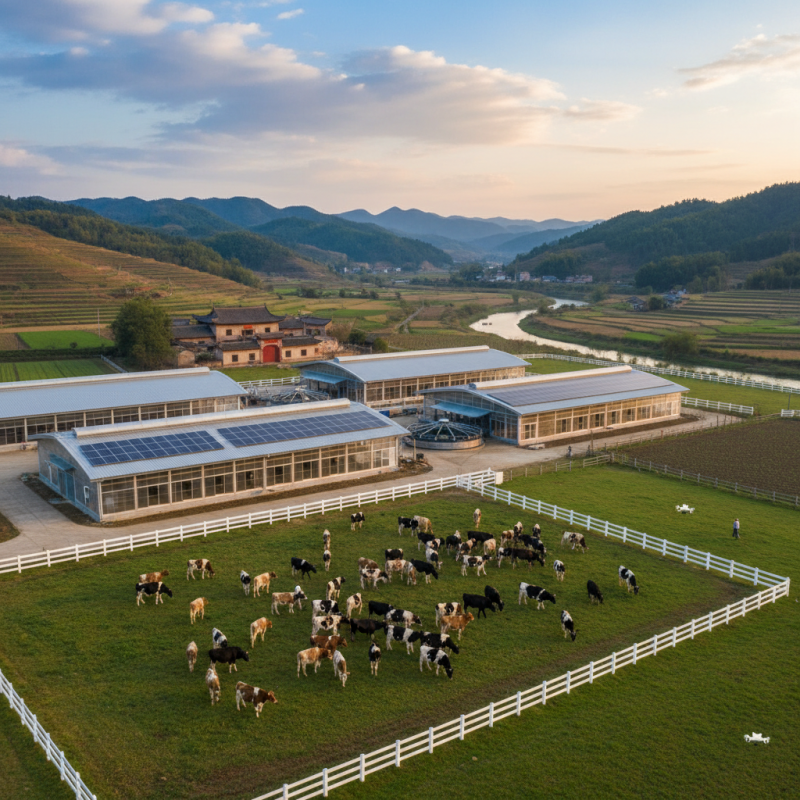
China's dairy farming is thriving, driven by a dramatic increase in demand. Key regions such as Inner Mongolia, Xinjiang, and Heilongjiang dominate production. Inner Mongolia contributes nearly 30% of China's total milk output, reflecting its expansive pastures and technological advancements.
Recent reports show that China's dairy consumption grew by 30% over the last decade. As the middle class expands, so does their appetite for high-quality dairy products. However, challenges persist. The industry faces issues such as sustainability, animal welfare, and the need for better hygiene practices. Many farms are now investing in modern facilities to address these concerns while ensuring high yield.
Tips for global buyers: Look for suppliers committed to sustainable practices. Assess the farms' animal welfare standards before making decisions. Also, understand regional differences in productivity to find optimal partners. Focus on quality over quantity for long-term business success.
Top Dairy Farming Practices in China
This chart illustrates the adoption level of various key dairy farming practices in China, reflecting the trends and priorities among dairy farmers. The data highlights the importance of animal health and milking frequency in optimizing dairy production.
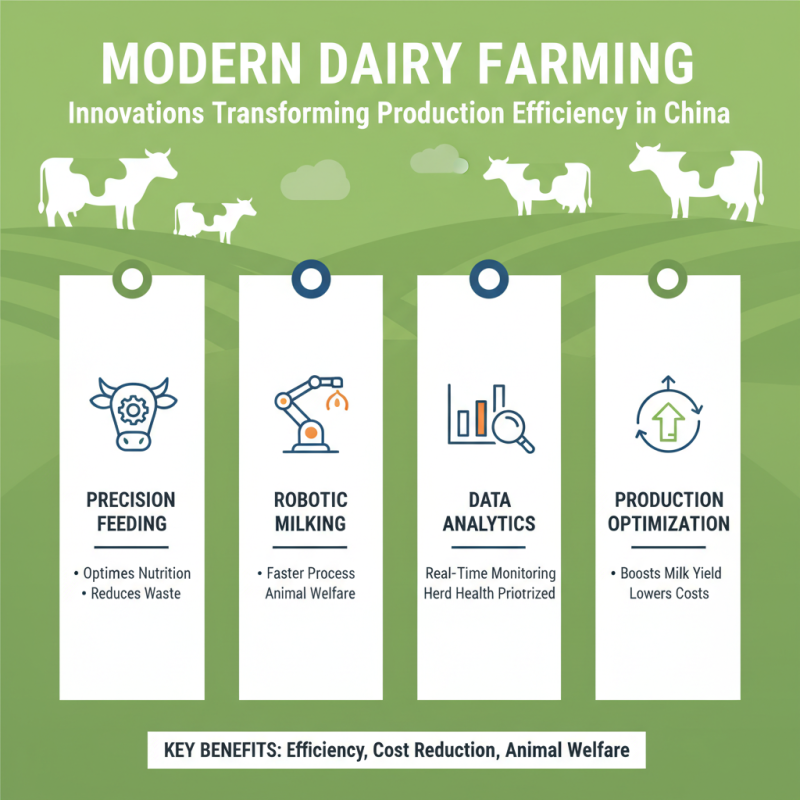
Modern Technology in Dairy Farming: Innovations Transforming Production Efficiency
Modern technology in dairy farming has revolutionized production efficiency in China. Innovations like precision feeding, robotic milking, and data analytics play crucial roles. These advancements help farmers optimize milk production and reduce costs. For instance, automation in milking can speed up processes and improve animal welfare. Such technologies allow farmers to monitor their herds in real-time, ensuring every cow's health is prioritized.
Tips: When exploring new technologies, evaluate their compatibility with existing systems. Adoption should align with your farm’s specific needs. Engaging with tech providers can also lead to tailored solutions.
Implementing data analytics in herd management allows for better decision-making. Farmers can analyze milk yield, feed intake, and health trends. However, data overreliance can be misleading without proper understanding. A comprehensive training program for staff on data interpretation is essential.
Tips: Regular training helps maintain a skilled workforce. Encourage open discussions about new technologies and their impact. This fosters innovation and addresses potential concerns effectively.
Sustainable Practices in Chinese Dairy Farming: Environmental Impact Metrics
In recent years, Chinese dairy farms have adopted sustainable practices to reduce their environmental impact. These practices include optimizing feed efficiency and managing waste effectively. By closely monitoring nutrient levels in feed, farms can lower greenhouse gas emissions. Additionally, many operations are investing in renewable energy sources. Solar panels and biogas digesters are becoming common sights on these farms.
Water management is another critical area of focus. Many farms are implementing water recycling systems. This reduces the strain on local water resources. However, achieving the right balance remains challenging. Some farms still struggle with excess water usage. It’s essential to continuously assess and refine these systems.
Soil health is increasingly recognized as vital in dairy farming. Practices like cover cropping and reduced tillage can improve soil quality. Yet, not all farms have embraced these methods. Some improvements are needed to enhance soil fertility sustainably. Stakeholders must prioritize training and education to support these critical changes.
Quality Control Standards in Dairy Milk Production: Compliance and Statistics
Quality control in dairy milk production is crucial for ensuring safety and compliance. In China, robust standards have been established to create high-quality dairy products. These standards address hygiene, pasteurization, and packaging. Each step impacts the final product's safety and quality.
Farmers must conduct regular testing of milk for contaminants. This includes checking for antibiotics and bacteria. Compliance with health regulations enhances consumers' trust. Accurate records of milk quality should be maintained meticulously. Transparency in these processes is essential for accountability.
Tips: Regularly train staff on quality control measures. Invest in good sanitation practices. Use technology to monitor conditions and data effectively. The focus should be on continual improvement. Mistakes happen, and learning from them is vital. Striking a balance between scale and quality is a challenge. Many farms struggle with this balance. Quality should never be compromised for quantity.
Market Trends for Dairy Products in China: Consumer Preferences and Growth Rates
The dairy market in China is on a significant growth trajectory. According to a recent report by Mordor Intelligence, the dairy market is projected to grow at a compound annual growth rate (CAGR) of 6.5% from 2021 to 2026. Consumers are increasingly shifting towards high-quality dairy products, particularly yogurt and cheese, driven by health consciousness and nutritional awareness. The demand for organic and sustainably sourced dairy is also rising.
Recent surveys indicate that 70% of urban consumers prefer low-fat dairy options. They are more likely to choose products with clear labeling and certifications. Brands that emphasize their organic and non-GMO credentials are gaining traction. However, consumer trust is a challenge; incidences of food safety crises have made buyers wary. Brands must prioritize transparency to rebuild confidence.
**Tips:**
For businesses, understanding local preferences is crucial. Tailor products to fit regional tastes.
Invest in quality assurance to enhance brand credibility.
Building direct relationships with consumers can foster loyalty.
Top 10 Dairy Farming Practices in China for Global Buyers
| Practice | Description | Impact on Productivity | Consumer Preference | Growth Rate (%) |
|---|---|---|---|---|
| Use of Biotechnology | Application of genetics to improve milk yield | Increases by up to 20% | High preference for quality | 15% |
| Organic Farming | Production without synthetic fertilizers or pesticides | Moderate increase in consumer demand | Growing preference for organic products | 10% |
| Efficient Feeding Strategies | Optimizing feed quality to boost milk production | Increases by 15% | High interest in quality nutrition | 12% |
| Automatic Milking Systems | Using technology for efficient milking | Robust increase of 30% | High acceptance of convenience | 18% |
| Sustainable Practices | Implementing eco-friendly methods | Increased consumer loyalty | High preference for sustainability | 20% |
| Animal Welfare Practices | Prioritizing health and comfort of cows | Increases productivity by 10% | Growing concern among consumers | 14% |
| Data-Driven Decision Making | Using analytics to enhance productivity | Significant productivity boost | Increased interest in traceability | 17% |
| Product Diversification | Offering various dairy products | Strengthens market position | High preference for diverse options | 16% |
| Training and Education | Investing in farm staff education | Increases overall farm efficiency | Consumers value expertise | 13% |
Related Posts
-
How to Choose the Best Lactose Free Food for Your Diet?
-

Ultimate Guide to Bulk Butter Storage Tips for Freshness and Flavor
-

Top Types of Animal Farm Butter and Their Unique Benefits?
-

2026 Top Plant Butter Trends You Need to Know About?
-

2026 Best Dairy Free Butter Options for Health Conscious Consumers?
-
Order Milk at the 139th Canton Fair for Global Sourcing?