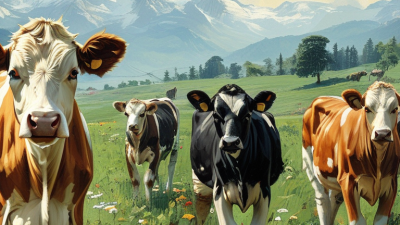
Best Practices for Dairy Farming in China What Global Buyers Need to Know
Dairy farming in China is undergoing significant transformation. With a market value that exceeded $40 billion in 2022, it underscores the importance of high-quality practices and standards. As demand rises, global buyers need to understand local dynamics and challenges. “The future of dairy farming lies in sustainable practices and innovation,” says Dr. Jian Wang, a leading expert in agricultural sciences.
Chinese dairy farming faces various issues, such as inadequate infrastructure and fluctuating milk prices. However, advancements in technology and breeding techniques provide opportunities for improvement. For instance, the introduction of automated milking systems increases efficiency and milk quality. Despite these advancements, many farms still struggle with understanding international market trends.
Knowledge is essential for navigating this complex landscape. Buyers should consider factors like local regulations, climate influences, and consumer preferences. Investing in education and research can help bridge gaps in expertise. This understanding is crucial as dairy farming in China evolves and grows.
Overview of Dairy Farming in China
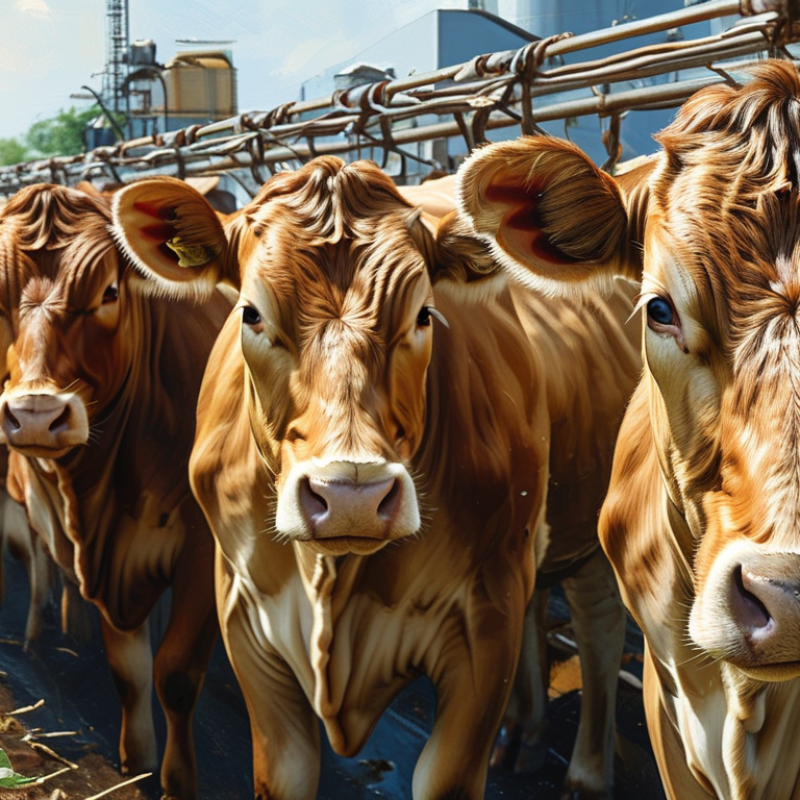
Dairy farming in China has evolved rapidly over the past few decades. The industry today showcases both traditional and modern practices. Many farms are small-scale operations, often family-run, yet larger farms are becoming more common. These larger operations benefit from advanced technologies and equipment. Yet, not all small farmers have access to these advancements, which can affect their productivity.
The climate in different regions of China impacts dairy farming. Northern areas often have cold winters, while southern regions provide a warmer climate. Farmers must adapt their practices according to local conditions. Many farms still face challenges, including limited access to quality feed and veterinary services. These issues can lead to inconsistent milk quality, which is a concern for global buyers.
Furthermore, there is increasing scrutiny on dairy farming practices. Sustainability and animal welfare are becoming crucial for consumers. Farmers are urged to reflect on their environmental impact. Many are beginning to implement more sustainable practices, but progress is slow. Global buyers need to be aware of these factors when considering partnerships in China's dairy market. Understanding local challenges can build better relationships and improve supply chain transparency.
Key Challenges Faced by Dairy Farmers in China
Dairy farming in China faces significant challenges that global buyers should understand. One major issue is the inconsistency in milk quality. Many farms lack advanced technology and adherence to safety protocols. This inconsistency can deter international buyers who prioritize high standards.
Economic factors also play a crucial role. Rising feed costs and labor shortages are persistent problems. Farmers often struggle to maintain profit margins. Advanced breeding techniques or better feed management might assist, yet their adoption is slow among many smallholders.
Tips for buyers include visiting farms to assess practices firsthand. Understand local sourcing and pricing strategies that can affect quality and availability. Engaging with farmers about their challenges can foster stronger partnerships. Being aware of the fluctuating market conditions helps anticipate supply issues. Communication with local experts can offer insights into best practices and regulatory changes.
Challenges Faced by Dairy Farmers in China
Regulatory Standards and Compliance for Dairy Products
In the dairy industry in China, regulatory standards are critical. Compliance with these standards ensures product safety and quality. Global buyers must understand local regulations. These regulations are set by various government bodies. They encompass hygiene, labeling, and animal welfare standards.
Many dairy farmers in China face challenges in meeting these requirements. Some farmers may lack training on new standards. This gap can lead to non-compliance, risking their market access. Buyers should verify that their suppliers meet these necessary regulations. Documentation and certifications play a key role in this process.
Quality control is equally essential. Regular inspections help maintain high production standards. However, some regions may struggle with resources for effective monitoring. Buyers should assess these factors when choosing suppliers. An awareness of the local landscape can support better decision-making in sourcing dairy products.
Technological Innovations in China's Dairy Industry
China’s dairy industry is rapidly evolving, driven by technological innovations. In recent years, the adoption of advanced technology frameworks has transformed milk production. A report from the China Dairy Industry Association revealed a 15% increase in milk yield per cow due to precision farming techniques. Sensors and data analytics allow farmers to monitor cattle health and optimize feeding practices effectively.
Automation is also on the rise. Robotic milking systems have gained traction, especially among larger farms. These systems reduce labor costs and improve efficiency. According to a study by Rabobank, automation could save dairy farmers up to 25% on operational costs. However, not all farmers can easily transition to these high-tech systems. Some may struggle with the initial investment and the training required.
Blockchain technology is being utilized for supply chain transparency. It helps trace milk from farm to consumer, addressing food safety concerns. This practice is essential, especially as consumers demand higher food quality standards. Nevertheless, challenges remain, particularly in rural areas where access to technology is limited. The gap between sophisticated and traditional farming practices continues to widen, highlighting the need for ongoing support and education in the industry.
Market Trends and Consumer Preferences in Dairy Products
In recent years, China has witnessed significant shifts in dairy consumption patterns. A report from the China Dairy Industry Association indicates that the per capita consumption of dairy products has increased to about 38.5 kilograms in 2022, a rise from previous years. This trend highlights a growing appreciation for dairy as a nutritious food source, driven mainly by younger consumers seeking healthy options. Importantly, nearly 70% of Chinese consumers express a preference for high-quality dairy products, reflecting a shift towards premiumization in the market.
Sustainability is also a crucial consideration for today's dairy consumers. A survey conducted by Nielsen revealed that over 50% of consumers prefer brands that demonstrate a commitment to sustainability. This leaves dairy farmers with opportunities to enhance production practices, focusing on eco-friendly methodologies. However, challenges remain. Many producers struggle with balancing sustainable practices and production costs. The complexity of global supply chains can lead to uncertainty in pricing and availability, directly affecting consumer trust.
Additionally, local tastes and preferences vary widely across regions. While urban areas tend to favor flavored and low-fat options, rural consumers often lean towards traditional, whole milk products. This division presents a challenge for suppliers aiming to appeal to a diverse customer base. Understanding regional differences and adapting products accordingly will be essential for global buyers looking to enter or expand in the Chinese dairy market.
Related Posts
-
Why Is Dairy Farming Essential for Global Food Supply?
-
Top 10 Dairy Farming Practices in China for Global Buyers?
-
Best Raw Butter for Global Buyers Seeking Quality?
-
2026 How to Choose the Best Dairy Delivery Service?
-

2026 Best Daily Milk Suppliers for Global Importers?
-
Order Milk at the 139th Canton Fair for Global Sourcing?