Why Choose Lactose Free Food for a Healthier Lifestyle?
The rise of lactose free food reflects a growing awareness of dietary needs. Dr. Emily Carter, a nutrition expert, notes, "Lactose free foods are not just for the lactose intolerant; they benefit everyone." Many individuals are shifting to these options to enhance wellness.
Lactose free food can reduce digestive discomfort for many. However, some may hesitate, fearing nutritional loss. This misconception can deter people from exploring a vibrant array of lactose free options. The market now offers delightful alternatives, from creamy cheeses to indulgent ice creams.
Understanding lactose free food is essential for maintaining a balanced diet. It encourages diversity without sacrificing taste. Exploring these foods can lead to a healthier lifestyle, although one must also consider personal dietary choices. Each individual's journey should begin with mindful exploration and informed decisions.
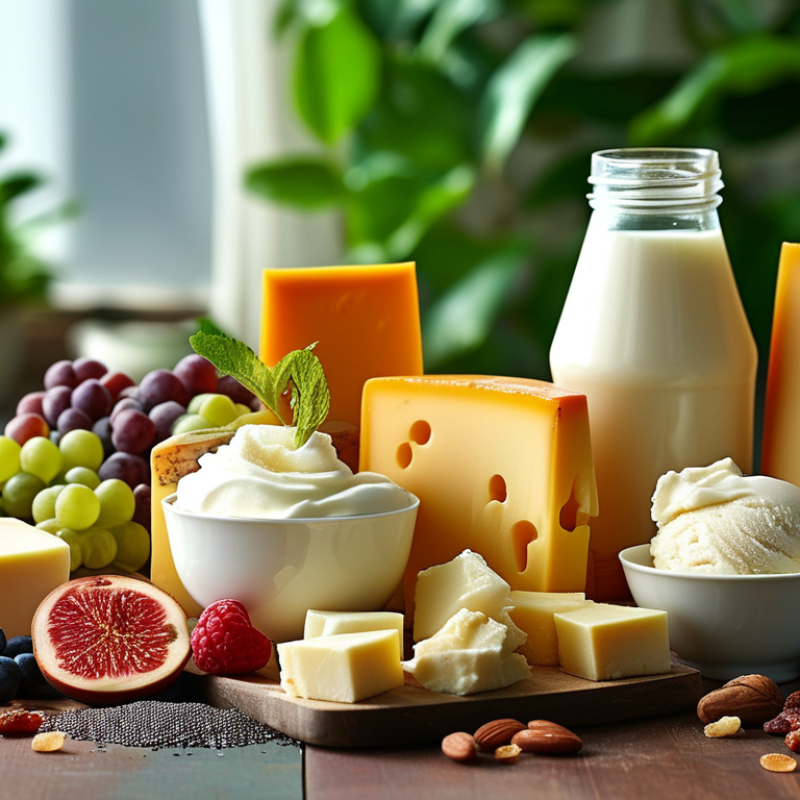
Understanding Lactose Intolerance and Its Impact on Health
Lactose intolerance affects millions worldwide. It leads to various digestive issues. People often overlook this condition. Symptoms include bloating, gas, and diarrhea after consuming dairy products. Understanding lactose intolerance is essential for managing these unpleasant effects.
When lactose intolerant individuals consume dairy, their bodies struggle to digest it. This occurs due to a deficiency in lactase, the enzyme needed to break down lactose. The gastrointestinal discomfort can disrupt daily life. Thus, many opt for lactose-free foods. These alternatives allow enjoyment of dairy without discomfort. They also provide essential nutrients found in regular dairy products.
Switching to lactose-free options may feel limiting at first. Some might miss the taste of traditional dairy. However, finding satisfying alternatives is possible. Many foods still offer similar flavors and textures. Experimenting with new recipes can lead to delicious discoveries. Embracing lactose-free food can improve overall well-being. It fosters a healthier lifestyle while ensuring enjoyment at meals.
The Benefits of Choosing Lactose-Free Foods for Dietary Needs
Lactose intolerance affects approximately 68% of the global population. This condition can lead to digestive issues when consuming dairy products. Choosing lactose-free foods can significantly improve the quality of life for those affected. Moreover, these foods maintain the same nutritional benefits as traditional dairy, making them a viable alternative.
Research indicates that lactose-free options are gaining popularity among various demographics. A report from the International Dairy Foods Association highlighted that lactose-free dairy sales increased by 20% from 2018 to 2022. This trend suggests that more people recognize the health benefits of reducing lactose consumption, whether due to intolerance or personal preference. They can enhance digestive health, promote better nutrient absorption, and prevent uncomfortable bloating.
Beyond just comfort, lactose-free foods can contribute to a healthier lifestyle. They often contain probiotics, which can enhance gut health. This is crucial since gut health is linked to overall wellness. However, it's essential to ensure that lactose-free products do not contain unnecessary additives. Not all lactose-free foods are created equal, and vigilance is key.
Why Choose Lactose Free Food for a Healthier Lifestyle?
| Nutritional Benefit | Lactose-Free Options | Dietary Benefits |
|---|---|---|
| Easier Digestion | Lactose-Free Milk | Improved Comfort for Lactose Intolerant Individuals |
| Better Nutritional Absorption | Lactose-Free Yogurt | Increased Calcium Intake |
| Reduced Gastrointestinal Symptoms | Lactose-Free Cheese | Less Bloating and Gas |
| Improved Overall Health | Plant-Based Lactose-Free Options | Enhanced Digestive Health |
Nutritional Alternatives: What to Eat on a Lactose-Free Diet
Lactose intolerance affects many people. Choosing lactose-free foods can be a game-changer for your gut health. It opens doors to a wider range of nutritional options. You don’t have to miss out on essential nutrients.
When following a lactose-free diet, focus on whole foods. Leafy greens, fruits, and lean proteins can all be great choices. For calcium, consider fortified plant-based milks. Almond milk and coconut milk are popular options. They provide similar textures and flavors without lactose.
Tips: Explore dairy alternatives like almond yogurt or coconut ice cream. They can satisfy your cravings without discomfort. Always read labels to ensure products are truly lactose-free. Don't hesitate to try new ingredients, but be aware of your body’s reactions. Experimenting can lead to unexpected favorites.
Making the Transition: Tips for Adopting Lactose-Free Foods
Transitioning to a lactose-free diet can feel overwhelming, but many find it rewarding. Recent studies show that about 65% of adults worldwide have reduced lactose digestion. It's clear that lactose intolerance affects a significant portion of the population. Understanding this can ease concerns when making dietary changes.
Start by exploring various lactose-free options. Look for plant-based dairy alternatives, which have gained popularity. Almond milk, coconut yogurt, and soy cheese are great choices. They not only provide a similar taste but also often come fortified with calcium and vitamins. Additionally, reading labels is crucial. Some products might contain hidden lactose. Keep an eye out for ingredients like whey and casein.
Consider your cooking practices too. You might need to adapt old recipes. Experiment with cooking techniques. For example, use ripe bananas or avocado for creamy textures in desserts. Be mindful, however, that not all lactose-free foods are healthier. Many can be high in sugar or additives. Finding a balance is important. Take your time to discover what works best for your dietary needs. Embrace the journey for a healthier lifestyle with patience and an open mind.
Exploring Lactose-Free Products: Labels, Options, and Recipes
Lactose-free products have gained popularity for their health benefits. Many people struggle with lactose intolerance. This condition can lead to discomfort after consuming dairy. Fortunately, lactose-free options are now widely available. These products cater to various dietary needs while maintaining enjoyable flavors.
When shopping for lactose-free foods, always check labels carefully. Look for certifications indicating the product is truly lactose-free. Ingredients can vary among brands. Some items may still contain traces of lactose, which could affect sensitive individuals. Focus on whole foods like fruits, vegetables, and meats. These naturally lactose-free foods are great staples.
Tips: Explore recipes using almond milk, cashew cheese, or coconut yogurt as substitutes. They provide creamy textures without the lactose. Keep an eye on hidden dairy in processed foods. Sometimes, it can be listed under different names. Educating yourself on these alternatives helps you make better choices for your health.
Why Choose Lactose Free Food for a Healthier Lifestyle?
This bar chart illustrates the sales figures of various lactose-free products, highlighting their popularity and market presence as consumer awareness of lactose intolerance grows.
Related Posts
-
How to Choose the Best Lactose Free Food for Your Diet?
-

Top 10 Dairy Farming Practices in China for Global Buyers?
-
What is the Best Dairy Foods for Global Buyers?
-

Top 10 Uses for Bulk Butter in Cooking and Baking?
-

2026 Best Dairy Free Butter Options for Health Conscious Consumers?
-
What is the Best Way to Order Milk Online?