How to Choose the Best Real Milk for Your Business Needs?
When selecting the ideal "real milk" for your business, it’s essential to understand industry trends and consumer preferences. According to a recent report by the Dairy Marketing Institute, the demand for real milk has seen a 7% increase in the past year alone. This shift indicates growing consumer awareness regarding the health benefits of real milk, such as higher protein content and essential vitamins.
Yet, the landscape differs by region and target demographic. In urban areas, the trend is leaning towards organic and non-homogenized options. Meanwhile, rural markets often favor traditional pasteurized real milk. Businesses must tailor their selections to meet diverse consumer needs while maintaining quality standards.
It’s also critical to note that not all real milk is created equal. Some brands may use practices that compromise quality for cost. This inconsistency can lead to dissatisfaction among consumers. Thus, careful evaluation of sourcing and production methods is necessary. It’s not simply about choosing a product but finding the best “real milk” that aligns with your brand's values and customer expectations.
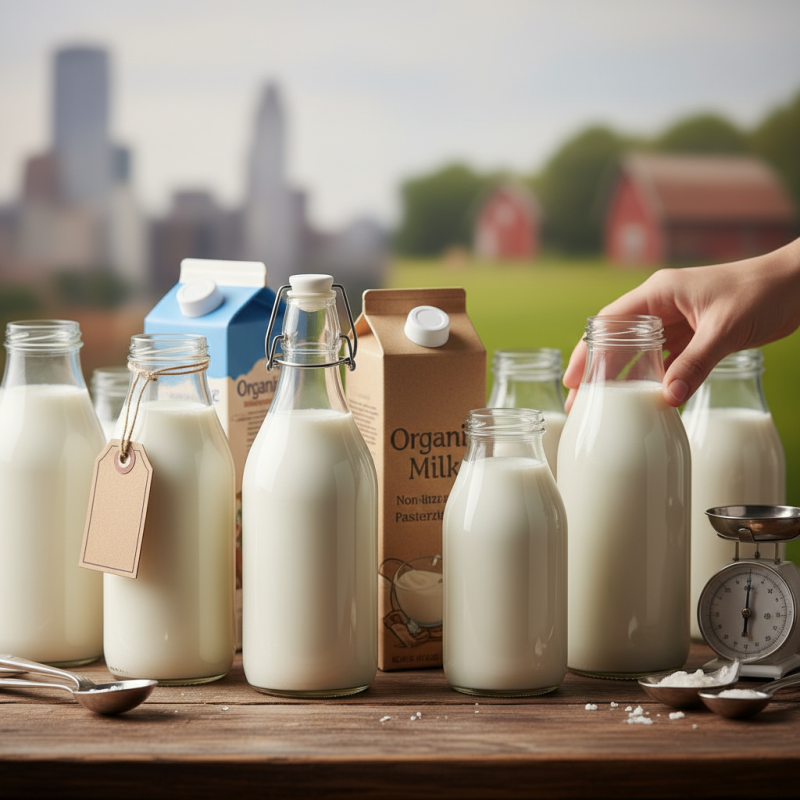
Understanding the Different Types of Real Milk Available in the Market
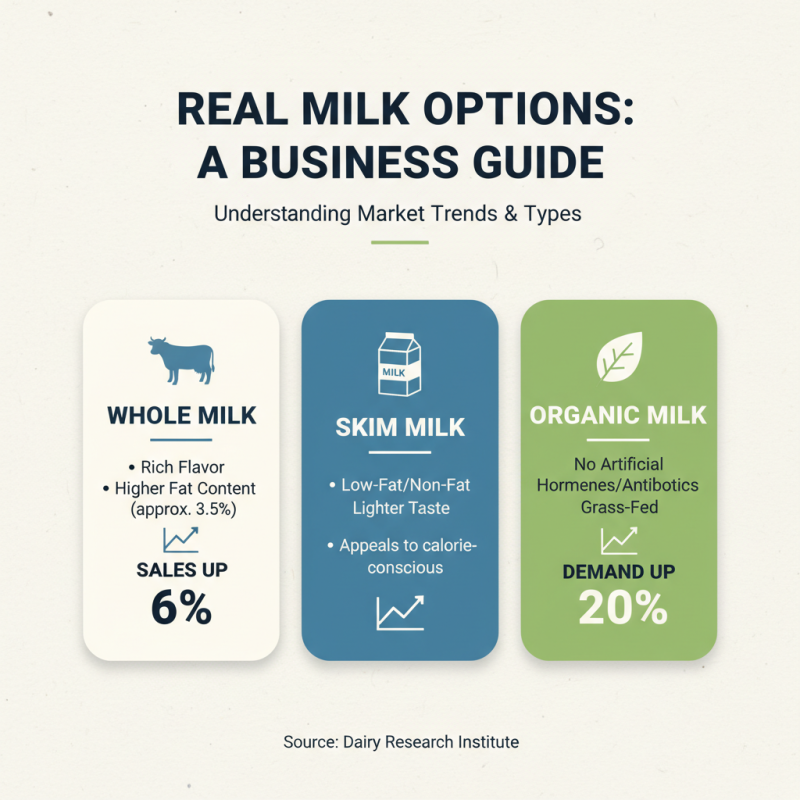
When selecting real milk for your business, understanding the various types available is crucial. The dairy market presents several options like whole milk, skim milk, and organic milk. Each type serves different consumer preferences. According to the Dairy Research Institute, whole milk sales have risen by 6% in recent years, reflecting a shift toward richer flavors. Meanwhile, the demand for organic milk has increased by an impressive 20%. This rise highlights consumer interest in health and wellness trends.
Different types of milk provide varying nutritional benefits. Whole milk contains about 3.25% fat, while skim milk has virtually none. Organic milk often comes from grass-fed cows, ensuring higher omega-3 fatty acids. Studies indicate that consumers are willing to pay a premium for organic options. Yet, it’s essential to consider your target audience. Not every market segment values the same qualities. Some prioritize price over nutrition, while others may prefer local sourcing.
Additionally, consider the environmental impact of your milk choice. Recent reports indicate that organic dairy farms tend to have lower carbon footprints. However, sourcing locally might produce similar results without higher costs. Balancing these factors requires thoughtful reflection on your business goals. Evaluating what matters most to your clientele can guide your decision effectively.
Assessing Nutritional Benefits for Your Business Needs
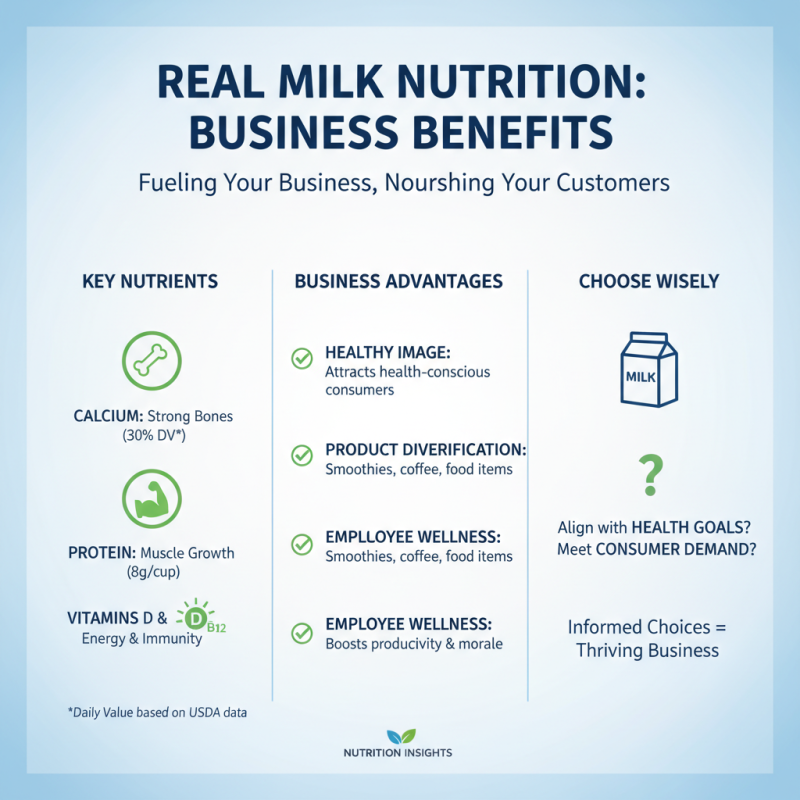
Choosing the right real milk for your business requires a careful assessment of its nutritional benefits. Milk is rich in essential nutrients like calcium, protein, and vitamins D and B12. According to the U.S. Department of Agriculture, one cup of whole milk contains approximately 8 grams of protein and provides 30% of the daily value for calcium. Businesses need to determine which nutrients align with their health goals and consumer demands.
Pay attention to the fat content. Whole milk, while nutritious, may not suit every demographic. Skim or low-fat options can maintain the protein benefits while reducing calorie intake. Companies targeting health-conscious customers may find low-fat milk more appealing. However, be aware that the reduction in fat may slightly affect the taste, which can lead to dissatisfaction among some consumers.
**Tips:** Consider the dietary preferences of your target market. Analyze trends in your area. Research reports indicate a growing trend toward plant-based alternatives. This might influence your choice. Remember to balance nutritional benefits with consumer preferences to ensure satisfaction and retention. Be open to refining your offerings based on feedback and changes in the market.
Evaluating Sourcing and Quality Standards for Real Milk
When evaluating sourcing and quality standards for real milk, clarity is essential. Understanding the milk's origin helps determine its overall quality. Look for farms that prioritize animal welfare and sustainable farming practices. A transparent supply chain often indicates higher standards in milk production.
Quality tests play a significant role in your selection process. Consider the nutritional content, including proteins and fats. Regular testing for contaminants ensures safety and quality. However, some suppliers may not provide detailed reports. It’s crucial to ask for this information upfront.
Packaging also matters. Choose suppliers who use eco-friendly and safe packaging materials. This signals their commitment to both quality and environmental responsibility. While all these factors are vital, remember that no supplier may meet every expectation. Evaluate your options carefully and be open to continual improvement in your sourcing process.
Evaluating Real Milk Quality Standards
This chart evaluates the quality standards of real milk based on different parameters including Fat Content, Protein Content, Lactose Levels, and Source Purity. These parameters are critical for businesses selecting milk suppliers to ensure product quality and consumer satisfaction.
Considering Cost and Supply Chain Factors
When choosing real milk for your business, cost and supply chain factors play a crucial role. Understanding pricing is essential. Prices can fluctuate based on local availability and farm conditions. Evaluate bulk purchase options to lower costs. This approach can significantly affect your bottom line.
Consider your supply chain reliability. Are the suppliers consistent? Milk is perishable, so delays can impact your operations. Establish relationships with local farmers to ensure a steady supply. If local sources cannot meet demand, explore regional distributors. This may lead to better availability but can increase costs.
Moreover, reflect on your business’s specific needs. Is organic milk essential for your brand? Are you catering to health-conscious consumers? Assessing these factors will guide your choices, helping you to balance quality and cost effectively. Striking the right balance can be challenging and requires ongoing evaluation.
How to Choose the Best Real Milk for Your Business Needs? - Considering Cost and Supply Chain Factors
| Milk Type | Cost per Liter (USD) | Nutritional Value (per 100ml) | Supply Chain Stability (Rating 1-5) | Sustainability Practices |
|---|---|---|---|---|
| Whole Milk | $1.20 | Calories: 61, Fat: 3.25g, Protein: 3.2g | 4 | Use of renewable energy, local sourcing |
| Skim Milk | $1.10 | Calories: 34, Fat: 0.1g, Protein: 3.4g | 5 | Eco-friendly packaging, small-scale farms |
| Organic Milk | $1.50 | Calories: 62, Fat: 3.4g, Protein: 3.3g | 4 | Certified organic practices, no pesticides |
| Almond Milk | $2.00 | Calories: 17, Fat: 1.2g, Protein: 0.6g | 3 | Sustainable almond farming, water conservation |
| Soy Milk | $1.80 | Calories: 33, Fat: 1.5g, Protein: 3.1g | 4 | Non-GMO soybeans, local processing |
Analyzing Customer Preferences and Market Trends in Dairy Products
When selecting real milk for your business, understanding customer preferences is crucial. Many consumers seek products that are fresh and locally sourced. Preferences often vary by region. Some customers may prioritize organic options, while others focus on price. Knowing your target market can guide your selection process effectively.
Market trends in dairy products show a growth in demand for plant-based alternatives. This does not diminish the importance of real milk. Some customers enjoy the taste and nutritional benefits of dairy. However, many still consider lactose intolerance or allergies when purchasing decisions. Observing these trends can help you tailor your offerings.
Building a reliable supply chain is just as important. Considerations include delivery times and product freshness. It is essential to choose suppliers who reflect your quality standards. Quality assurance processes should be in place to maintain consistency. Remain attentive to shifts in consumer tastes, as they can impact your inventory decisions. Adapting to these changes might require reevaluation of your current products.
Related Posts
-
2026 How to Choose the Best Farm Milk for Your Family
-
Order Milk at the 139th Canton Fair for Global Sourcing?
-
What is the Best Dairy Foods for Global Buyers?
-
Is Grass Fed Raw Milk the Best Choice for Global Buyers?
-
How to Choose the Best Dairy Supplies for Your Needs?
-
Top Types of Animal Farm Butter and Their Unique Benefits?