Is Grass Fed Raw Milk the Best Choice for Global Buyers?
The demand for grass fed raw milk is rising globally, reflecting consumer interests in health and quality. According to a recent report by the International Dairy Federation, grass fed dairy products have shown a 20% increase in demand over the past three years. This trend highlights a shift towards more sustainable and nutrient-rich options.
Dr. Sarah Lang, a leading expert in dairy nutrition, notes, "Grass fed raw milk contains higher levels of omega-3 fatty acids and antioxidants." These benefits are driving consumers to seek out this option. Nevertheless, the grass fed raw milk market faces challenges. Variability in quality and access can raise concerns for buyers.
As consumers become more educated, they want assurance. They seek transparency in how the milk is produced. Grass fed raw milk offers potential benefits, but current standards often vary. Ensuring quality remains essential as the market evolves.
The Nutritional Benefits of Grass Fed Raw Milk for Consumers
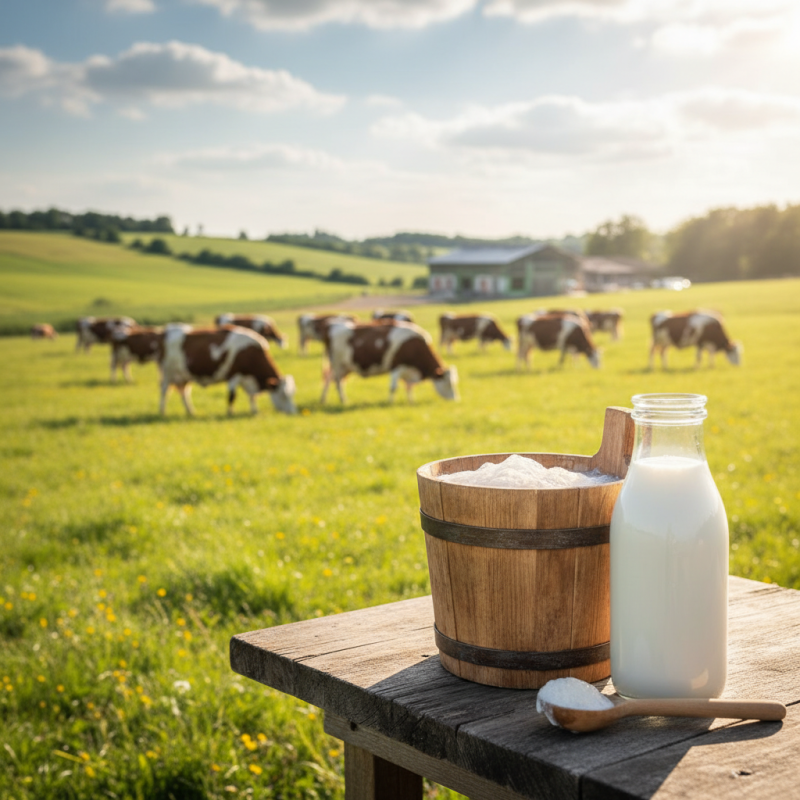
Grass-fed raw milk is gaining attention for its potential health benefits. It is rich in omega-3 fatty acids and vitamins A and D. Consumers often seek products that support their well-being. Grass-fed cows produce milk with a superior nutrient profile. This milk contains higher antioxidants and probiotics, which may aid digestion and boost immunity.
The taste of grass-fed raw milk can also differ from conventional milk. Many people describe it as creamier and more flavorful. However, sourcing raw milk comes with risks. It is essential to ensure the milk is handled safely. Consumers must check local regulations and choose trusted suppliers.
While many advocate for grass-fed raw milk, some question its accessibility and cost. It may not be available in all areas. Additionally, some individuals may have lactose intolerance. They need to consider their options carefully. The conversation around grass-fed milk highlights both its advantages and the challenges consumers face.
Comparative Analysis: Grass Fed vs. Conventional Milk Products
Grass-fed raw milk is often praised for its nutritional benefits. But how does it compare to conventional milk products? First, let's look at the differences in nutrient profiles. Grass-fed milk generally contains higher levels of omega-3 fatty acids. It is also richer in vitamins A and D. On the other hand, conventional milk may have a more consistent taste and availability.
When considering purchasing options, think about your dietary needs. If you prioritize nutrition, grass-fed may be ideal. However, remember that not all grass-fed milk is created equal. Factors like farming practices can impact quality. Always research the source.
Tips for choosing milk include checking labels for certifications. Look for farms that practice sustainable farming methods. If you're unsure about raw milk safety, consult a healthcare professional. Trustworthy sources can provide essential guidance. Take time to reflect on your choices. Building awareness can lead to better health outcomes.
Health Considerations and Risks of Consuming Raw Milk
Raw milk has gained popularity, particularly among health-conscious consumers. However, it is essential to understand the health risks associated with its consumption. According to a report from the Centers for Disease Control and Prevention (CDC), raw milk is often linked to foodborne illnesses. These illnesses can be severe and may lead to hospitalization. In fact, the CDC estimates that about 25% of all dairy-related outbreaks are caused by raw milk. This statistic raises flags about the safety of consuming unpasteurized products.
Grass-fed raw milk may offer nutritional advantages. It contains higher levels of omega-3 fatty acids and certain vitamins compared to conventional milk. However, these benefits can come with significant risks. Research shows that harmful bacteria like E. coli and Salmonella can be present in raw milk. The presence of these pathogens can pose serious health threats, particularly for vulnerable populations such as young children and the elderly.
While some argue for the benefits of raw milk, it is crucial to weigh these against the potential dangers. The World Health Organization (WHO) advises caution in consuming raw milk due to these health risks. Awareness and critical evaluation of both sides are essential for anyone considering a switch to raw milk. Prioritizing safety alongside nutritional benefits will help consumers make informed decisions.
Health Considerations of Grass Fed Raw Milk vs. Conventional Milk
Environmental Impact of Grass Fed Dairy Farming Practices
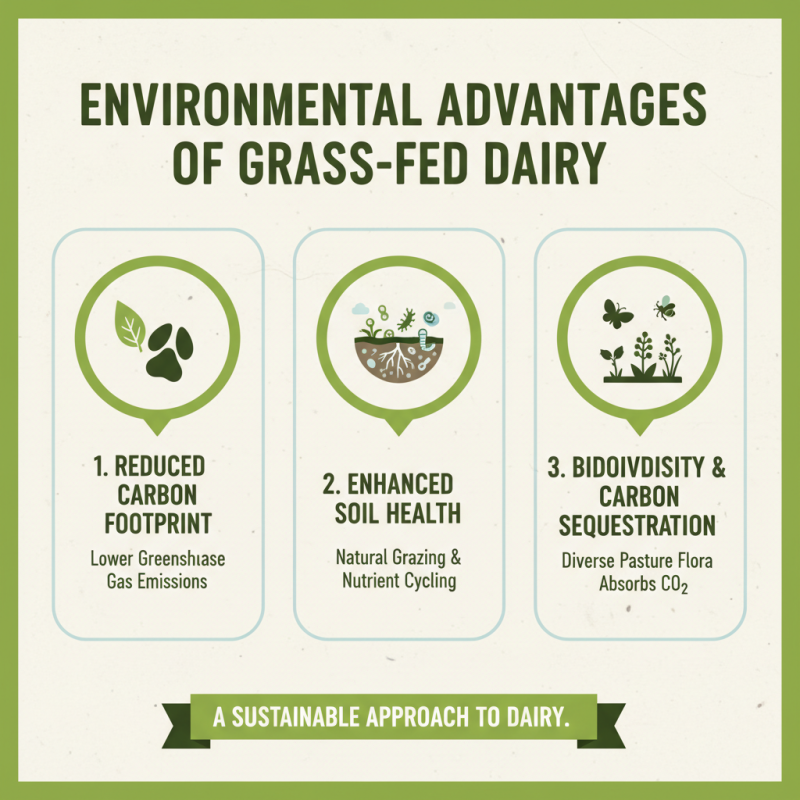
Grass-fed dairy farming practices have gained popularity for their potential environmental benefits. These farms often boast lower carbon footprints compared to conventional dairy farming. Animals are raised on pasture, which means they contribute to soil health through natural grazing. This practice can enhance biodiversity. Moreover, pastures support a variety of plant species that can absorb carbon dioxide.
However, it's essential to consider some challenges. Grass-fed systems require more land than conventional farms. This can lead to land use changes that may not be sustainable in every region. Additionally, grass-fed dairy production might not be feasible in certain climates. Farmers face limitations based on local resources, which can affect their ability to maintain these practices.
Not every farm operates the same way. Some may struggle with implementing truly sustainable methods. Soil health, animal welfare, and overall farming efficiency need constant attention. Purchasing grass-fed products does not automatically guarantee environmentally friendly practices. Consumers should educate themselves on conditions and practices behind their food choices.
Market Trends and Consumer Demand for Grass Fed Raw Milk
The demand for grass-fed raw milk has surged in recent years. More consumers are prioritizing natural and organic products. According to a report by the Grand View Research, the grass-fed dairy market grew at a CAGR of around 10% from 2018 to 2022. This trend reflects a significant shift towards healthier dietary choices.
Consumers are increasingly conscious of the nutritional benefits associated with grass-fed products. Grass-fed raw milk contains higher levels of omega-3 fatty acids and vitamins A and E. These benefits resonate with buyers seeking quality over quantity. However, the availability of grass-fed milk varies by region, presenting challenges for global buyers.
Despite the rising trend, not all grass-fed raw milk is created equal. There are varying standards for what constitutes "grass-fed." Some products may not meet consumer expectations. Buyers must conduct diligent research to ensure they choose products that align with their values and health goals. The market will continue to evolve, but transparency remains critical.
Is Grass Fed Raw Milk the Best Choice for Global Buyers? - Market Trends and Consumer Demand for Grass Fed Raw Milk
| Region | Market Size (Million USD) | Annual Growth Rate (%) | Consumer Preference (%) | Sustainability Concerns (%) |
|---|---|---|---|---|
| North America | 1500 | 5.5 | 75 | 60 |
| Europe | 1200 | 4.8 | 70 | 65 |
| Asia-Pacific | 800 | 6.2 | 60 | 50 |
| Latin America | 400 | 3.4 | 50 | 40 |
| Middle East & Africa | 300 | 5.0 | 55 | 45 |
Related Posts
-
2026 Top Benefits of Grass Fed Butter for Your Health and Diet?
-

2026 How to Choose the Best Farm Milk for Your Family
-
How to Choose the Best Grass Fed Butter for Your Healthy Diet?
-

What is the Best Way to Order Milk Online?
-
10 Best Raw Milk Delivery Services You Should Try?
-

China Best Milk Delivered Options for Fresh Dairy Products