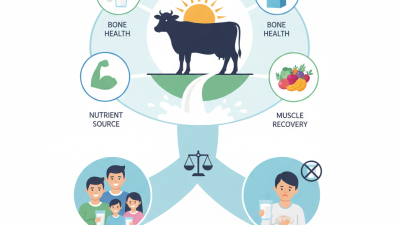
Why Choose Cow Milk for Your Business Needs?
When considering the best options for your business needs, cow milk stands out as a reliable choice. Cow milk is not just a staple; it is a versatile ingredient applicable in various sectors. From dairy farms to restaurants, the demand for quality cow milk is ever-present. Its rich nutrients and creamy texture make it ideal for different products.
Many businesses benefit from cow milk due to its wide acceptance among consumers. This dairy product enhances the taste of baked goods, beverages, and sauces. However, sourcing high-quality cow milk requires careful attention to supplier practices. Not all milk is created equal, and businesses must ensure they choose trustworthy providers.
Some may question the sustainability of cow milk production. There are ongoing debates about environmental impacts. Still, innovations in farming techniques show promise for reducing waste and improving efficiency. Investing in cow milk could lead to unique product offerings that set your business apart in a competitive market.
Benefits of Cow Milk for Business Sustainability
Cow milk plays a significant role in sustainable business practices across various industries. The dairy industry contributes over $39 billion to the U.S. economy, according to the U.S. Dairy Export Council. Utilizing cow milk can help businesses embrace sustainability while driving economic growth.
Cow milk offers nutritional benefits that appeal to consumers. It contains high-quality protein, essential vitamins, and minerals. Studies show that 70% of consumers prefer locally sourced dairy products. This trend suggests that businesses can cater to health-conscious customers by incorporating cow milk into their product lines. However, sourcing locally can pose challenges in supply chain management and consistency.
Sustainability in cow milk production is noteworthy. Practices such as rotational grazing and eco-friendly feed reduce environmental impact. A 2022 report from the Food and Agriculture Organization indicates that sustainable dairy farming could decrease greenhouse gas emissions by 20% in the next decade. Still, many companies struggle with implementing these sustainable practices effectively. Fostering relationships with local farmers can mitigate some of these issues, allowing businesses to build a more resilient supply chain.
Nutritional Value of Cow Milk for Consumer Health
Cow milk is gaining attention for its impressive nutritional value, essential for consumer health. One cup of cow milk typically provides 8 grams of protein, crucial for muscle growth and repair. It also contains calcium, vital for bone strength. According to the USDA, cow milk is one of the richest sources of vitamin D, which helps the body absorb calcium more efficiently.
Research shows that many individuals lack adequate calcium in their diets. A study published in the Journal of Dairy Science indicated that incorporating cow milk can significantly enhance calcium intake, especially in children and adolescents. These groups often need more calcium for their developing bones. However, some people are lactose intolerant, posing a challenge for consumption. Alternative dairy products might be required, creating space for innovation in the industry.
Despite its benefits, the environmental impact of dairy production raises concerns. Consumer awareness of sustainable practices is growing. Producers need to address these issues while meeting the nutritional demands of their customers. This balance is key to promoting both health and sustainability in the dairy sector.
Economic Advantages of Using Cow Milk in Products
Using cow milk in your products offers significant economic benefits. Its versatility makes it an ideal choice for many industries. From dairy to baked goods, cow milk enhances texture and flavor. This adaptability can lead to a broader customer base. Consumers often prefer products made with familiar ingredients like cow milk.
Additionally, cow milk production can be cost-effective. The supply chain is well-established in many regions. This stability helps businesses manage expenses and reduce risks. The nutritional profile of cow milk is also appealing, providing essential vitamins and minerals. This can justify pricing and attract health-conscious consumers.
However, relying solely on cow milk isn't without challenges. Price fluctuations may occur due to market demand. Businesses must stay informed about these changes. Furthermore, some consumers seek plant-based alternatives. This trend could impact sales in specific markets. Adapting to shifts in consumer preferences requires ongoing reflection and strategy.
Current Trends in Cow Milk Consumption and Demand
Cow milk consumption is on the rise. According to the Food and Agriculture Organization (FAO), global milk production reached 899 million tons in 2021. This figure illustrates the strong demand for cow milk, driven by its nutritional benefits. Cow milk is rich in calcium, protein, and vitamins, making it a staple in many diets. The growing health consciousness among consumers further fuels this trend.
Additionally, the dairy market shows diverse opportunities. A recent report by the International Dairy Federation (IDF) notes a 2% annual growth in cow milk consumption worldwide. Regions like Asia and Africa are particularly notable. In Asia, the middle class is expanding, increasing demand for dairy products. In Africa, traditional practices boost local milk consumption, revealing new market potentials.
However, challenges remain. Environmental concerns about dairy farming practices are becoming more prominent. Sustainable farming methods are necessary for future success. Addressing these issues can enhance the industry's reputation and appeal to eco-conscious consumers. Maintaining quality while addressing sustainability will be crucial for dairy businesses going forward.
Quality Assurance and Safety Standards in Cow Milk Supply
When it comes to cow milk supply, quality assurance and safety standards are paramount. The dairy industry must adhere to strict regulations to ensure that the milk produced is safe for consumption. Regular testing for contaminants is essential. This includes checking for bacteria, antibiotics, and hormones. Each batch of milk undergoes rigorous inspection before it reaches the market.
Farmers play a crucial role in this process. They implement good farming practices, focusing on animal welfare and hygiene. A clean environment leads to healthier cows and, consequently, higher quality milk. However, not all farms meet these standards. Some may overlook essential safety protocols, which can lead to dire consequences for consumers.
Transparency is vital in the milk supply chain. Businesses must trace the origin of their milk. This builds trust with consumers who demand high standards. By working closely with reputable suppliers, businesses can ensure that they receive milk that not only tastes great but is also safe and reliable. Regular audits and checks can help identify any lapses. Mistakes can happen, but acknowledging them leads to better practices in the future.
Related Posts
-
What is Cow Milk and Its Health Benefits for Your Diet?
-
What is the Best Dairy Foods for Global Buyers?
-

Top Types of Animal Farm Butter and Their Unique Benefits?
-
What is European Butter and Why is it Different from Other Butters?
-

Top 10 Ways to Enjoy Fresh Milk in Your Daily Diet?
-

Top 10 Dairy Farming Practices in China for Global Buyers?