2026 Best Cow Milk Suppliers for Global Buyers Guide?
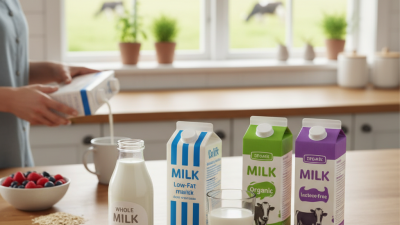
In the global dairy market, finding reliable cow milk suppliers is essential for buyers. The demand for high-quality cow milk continues to rise, driven by increasing health consciousness and diverse culinary uses. As a buyer, navigating this landscape can be challenging. There are many factors to consider, including quality, pricing, and sustainability practices.
This guide will present a selection of the best cow milk suppliers for 2026. Each supplier has been evaluated based on their reputation, compliance with industry standards, and delivery capabilities. Understanding these aspects can lead to informed decisions. It's crucial to choose suppliers that align with your values and quality expectations.
However, not every supplier will meet every need. Some might excel in organic production, while others focus on affordability. Buyers should reflect on what matters most—whether it’s nutrition, taste, or sourcing practices. The perfect supplier may not exist, but there are options that come close.
Overview of Cow Milk Production Worldwide
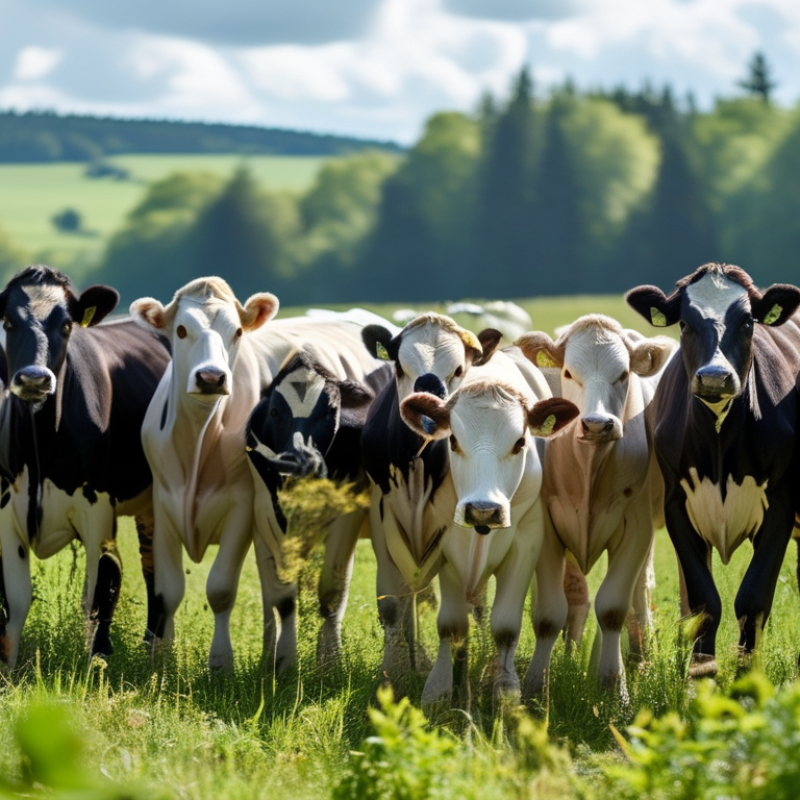
Cow milk production has a rich history that spans the globe. Different regions have unique practices and standards. For instance, countries in Europe often prioritize quality over quantity. They employ advanced technologies for efficient dairy farming. Meanwhile, regions like Asia focus on adapting traditional methods to meet growing demands.
The global cow milk market faces challenges. Climate change impacts feed supply and cattle health. This raises questions about sustainability in production practices. Many producers are exploring eco-friendly methods to offset their carbon footprint. Transparency is becoming essential for consumers seeking high-quality milk products. Potential buyers should consider suppliers committed to ethical practices.
Awareness of global milk production trends is crucial for informed purchasing decisions. By understanding regional differences and practices, buyers can select reliable suppliers. Research into sourcing practices can reveal insights that benefit both buyers and the environment. The journey towards sustainable milk production is ongoing and requires collective effort from all stakeholders.
Key Factors for Selecting Cow Milk Suppliers
When selecting cow milk suppliers, several key factors come into play. Understanding the quality of milk is paramount. According to the World Dairy Market Report 2023, fresh cow milk’s quality directly impacts nutritional value. Buyers should seek suppliers who can guarantee high quality through regular testing and certification. Look for suppliers who adhere to strict hygiene protocols, as this can reduce the risk of contamination significantly.
Another crucial factor is the reliability of supply. The global dairy market is projected to grow at a CAGR of 4.5% from 2023 to 2028. This growth highlights the importance of maintaining a stable supply chain. Suppliers should have reliable logistics and transport systems in place. It’s beneficial to evaluate their track record for fulfilling orders on time.
Pricing transparency is also essential. Suppliers often employ varying pricing structures based on numerous factors, such as production methods and sourcing locations. Industry analysis indicates that prices fluctuate based on demand and supply chain dynamics. Buyers should actively engage in discussions about pricing strategies to ensure they receive reasonable rates. Finding the right balance between cost and quality is critical for sustained partnerships.
Top Regions Renowned for Quality Cow Milk
When discussing high-quality cow milk production, certain regions stand out due to their unique climates, dairy farming practices, and cow breeds. In Europe, the Netherlands and Germany have established themselves as leaders. The Netherlands, known for its advanced dairy technology, produces around 14 billion liters of milk annually, according to recent dairy reports. These countries utilize high standards of animal welfare and feed, which significantly impacts milk quality.
In North America, the United States plays a crucial role. Leading states like California and Wisconsin contribute significantly to the nation's milk production, totaling over 96 billion liters in recent reports. The combination of extensive research in dairy genetics and sustainable farming practices ensures premium quality milk. However, challenges persist, such as fluctuating feed costs and environmental concerns, which can affect overall production.
Australia also deserves mention. The southeastern region benefits from a temperate climate ideal for dairy farming. Reports indicate that Australia's milk production has been steady, with around 9 billion liters per year. Local farmers often face challenges like droughts, which can impact milk yield. Emphasizing sustainable water management and feed production is essential for maintaining milk quality in these regions.
Criteria for Evaluating Cow Milk Suppliers
When sourcing cow milk suppliers, it's crucial to evaluate their practices carefully. Quality control measures are essential. Reports indicate that 70% of milk quality issues arise from poor handling and processing. Understanding a supplier's production methods can prevent costly mistakes. Look for certifications like ISO or HACCP that validate their processes.
Sustainability is another vital criterion. A study found that 64% of consumers prefer milk from environmentally friendly producers. Assessing a supplier's sustainability practices can provide a competitive edge. Check for their approach to animal welfare, water usage, and waste management. Suppliers who prioritize sustainability often have lower operational risks.
When engaging with suppliers, consider their communication transparency. Clear communication reflects reliability. Ask them about their sourcing and processing timelines. A good supplier will provide insights into their supply chain. Reflect on how their practices align with your values and quality requirements. Choosing the right supplier isn't just about price; it's about ensuring a sustainable and high-quality product.
2026 Best Cow Milk Suppliers: Evaluation Criteria Chart
Emerging Trends in the Global Cow Milk Market
The global cow milk market is evolving rapidly. Consumers are increasingly seeking high-quality, organic options. This shift is driven by a growing awareness of health benefits associated with dairy. Many buyers now prioritize sustainability and animal welfare in their purchasing decisions.
Emerging trends reflect this demand. There is a noticeable rise in the popularity of plant-based alternatives alongside conventional dairy products. This trend highlights a broader shift in consumer preferences. Furthermore, innovations in packaging are making products more convenient and environmentally friendly. Many suppliers are exploring new technologies to enhance product quality.
However, challenges remain. Not all regions have equal access to these emerging trends. Some suppliers struggle with outdated practices. This gap can lead to inconsistencies in quality and consumer trust. As the market matures, addressing these issues will be crucial for suppliers aiming to meet global standards. The landscape is shifting, and it’s important to recognize the ongoing journey of this industry.
Related Posts
-
How to Choose the Best Cow Milk for Your Health and Lifestyle Needs
-

2026 How to Choose the Best Farm Milk for Your Family
-
China Top 10 Delicious Grassland Butter Varieties to Try Now?
-

What is Bulk Butter and How to Source It Effectively?
-
2026 Top Plant Butter Brands and Their Health Benefits
-
10 Essential Tips for Choosing the Best Dairy Free Butter Options?