What is Bulk Butter and How to Source It Effectively?
In the ever-evolving dairy industry, understanding bulk butter is essential for producers and retailers alike. Expert John Matthews, a renowned consultant in dairy sourcing, emphasizes, “Navigating the world of bulk butter requires both knowledge and strategy.” Sourcing bulk butter can present challenges. Quality, price, and supply chain dynamics often fluctuate. Companies must find reliable suppliers who can meet their needs consistently.
The complexity lies not only in sourcing but also in understanding market demands. As more consumers seek sustainable and high-quality dairy products, the pressure on suppliers increases. Companies must evaluate their sourcing strategies to remain competitive. Providing transparency and quality assurance can build trust with consumers.
While exploring options, it is vital to reflect on past sourcing decisions. Some businesses may overlook local suppliers, which can offer unique benefits. Embracing a diverse supply chain can foster resilience in a volatile market. Thus, engaging deeply in the bulk butter industry is not merely a task; it is a pivotal journey towards growth and customer satisfaction.

Understanding Bulk Butter: Definition and Characteristics
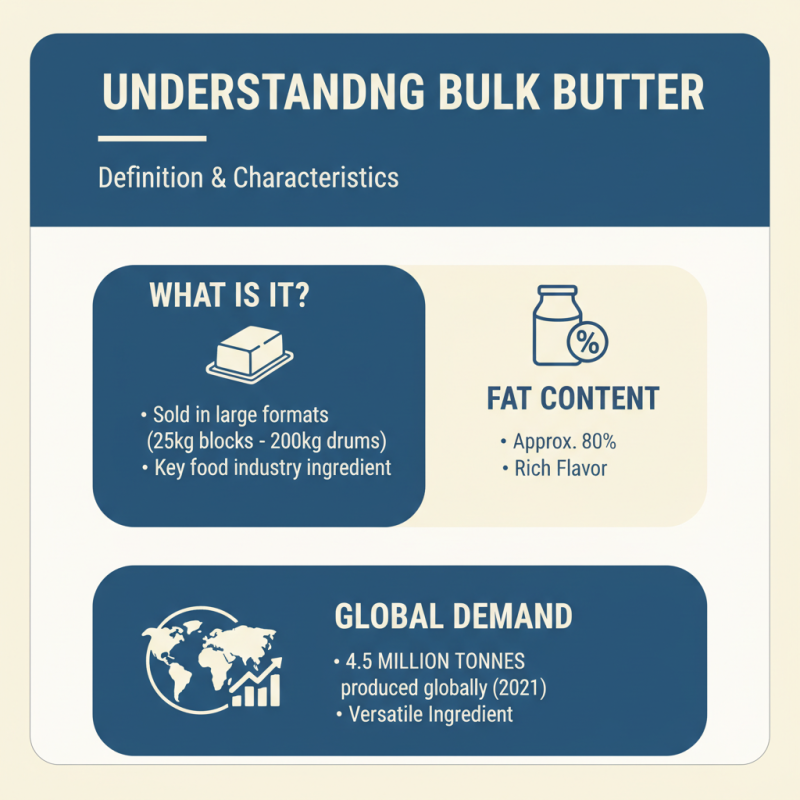
Bulk butter is a key ingredient in the food industry, often sourced in large quantities for various culinary applications. The term refers to butter sold in bulk packaging, typically varying from 25 kg blocks to 200 kg drums. It has a higher fat content, usually around 80%, which allows for a rich flavor profile. According to the International Dairy Federation, global butter production reached approximately 4.5 million tonnes in 2021, reflecting the growing demand for this versatile ingredient.
Understanding the characteristics of bulk butter is essential for effective sourcing. Freshness and quality play a significant role in determining its usability in recipes. Butter should have a clean, creamy taste without off-flavors. In a report by the Food and Agriculture Organization, the visual inspection of color and texture remains crucial. Bulk butter often has a consistent yellow hue and firm texture but can vary significantly based on the source. Often, sourcing from different regions can lead to variations in taste, influenced by the animal feed and local climate.
Another factor to consider is the supply chain. Many suppliers prefer local producers for shorter lead times. Yet, unexpected shortages can happen. Economic fluctuations also impact pricing. Being aware of these variables can help businesses secure high-quality butter consistently. Proper storage practices can prevent spoilage, which is a common issue when dealing with bulk products.
Key Benefits of Using Bulk Butter in Food Production
Bulk butter is a valuable ingredient in food production. It offers numerous benefits that can enhance culinary creations. One of the primary advantages is cost efficiency. Purchasing in bulk reduces overall costs, making butter more accessible for businesses.
Using bulk butter also ensures product consistency. This ingredient maintains flavor and texture across various recipes. When a restaurant or bakery utilizes bulk butter, they create uniformity in their dishes. Customers appreciate the familiar taste every time they visit.
Another notable benefit is the storage aspect. Bulk butter can be stored for longer periods if kept in appropriate conditions. This flexibility allows businesses to manage their inventory effectively. However, it's essential to track expiration dates and storage guidelines. This can sometimes be overlooked, leading to waste. Thus, proper training for staff on butter handling can improve efficiency.
Factors to Consider When Sourcing Bulk Butter Effectively
Sourcing bulk butter requires careful consideration of various factors. Quality is paramount; always inspect the product when possible. Look for freshness indicators like product date and texture. The aroma should be rich and wholesome. Storage conditions also play a crucial role in quality retention.
Tip: Always ask for samples before making large purchases. This will help you assess the flavor and texture. Consider the fat content, as high-fat butter can enhance recipes.
Another important factor is supplier reliability. Research potential suppliers’ reputations and customer reviews. Check for consistency in supply and their ability to meet your needs. A good supplier will not only provide quality products but also offer support and communication throughout the process.
Tip: Build relationships with suppliers. This can lead to better pricing and availability. Transparency in pricing structures is essential. Avoid suppliers with hidden fees or unclear contracts. It’s vital to proceed with caution and reflection when sourcing to ensure you obtain the best possible butter for your needs.
What is Bulk Butter and How to Source It Effectively? - Factors to Consider When Sourcing Bulk Butter Effectively
| Factor | Description | Importance Level |
|---|---|---|
| Quality | Evaluating the fat content and freshness of the butter. | High |
| Source Transparency | Understanding where the butter is sourced from, including the farming practices. | Medium |
| Pricing | Comparing the prices across different suppliers and regions. | High |
| Certifications | Checking for relevant quality certifications and standards compliance. | High |
| Supplier Reliability | Evaluating the track record of the supplier in terms of timely delivery and consistency. | High |
| Logistics | Understanding the logistics involved in transporting bulk butter, including storage and shelf-life considerations. | Medium |
How to Identify Reliable Suppliers for Bulk Butter
When sourcing bulk butter, identifying reliable suppliers is crucial. Start by assessing the supplier's reputation in the market. Look for reviews and testimonials from other businesses. A supplier with positive feedback demonstrates consistency and quality. Connect with industry peers to gain insights and recommendations on trustworthy sources.
Next, evaluate the supplier's production standards. Ensure they follow hygienic practices. Visit their facilities if possible. This gives a clear view of their processes. Ask for documentation that verifies their quality control measures. Additionally, inquire about their sourcing methods. Understanding where they obtain their raw materials helps assess sustainability and ethical practices.
Lastly, consider the flexibility and responsiveness of potential suppliers. A reliable supplier should address your inquiries promptly. Be cautious if they are slow to provide information. This could indicate future communication challenges. It’s important to establish a good relationship based on trust and transparency. Address your concerns openly to see how they respond. This can help you make a more informed decision.
Best Practices for Storing and Using Bulk Butter Efficiently
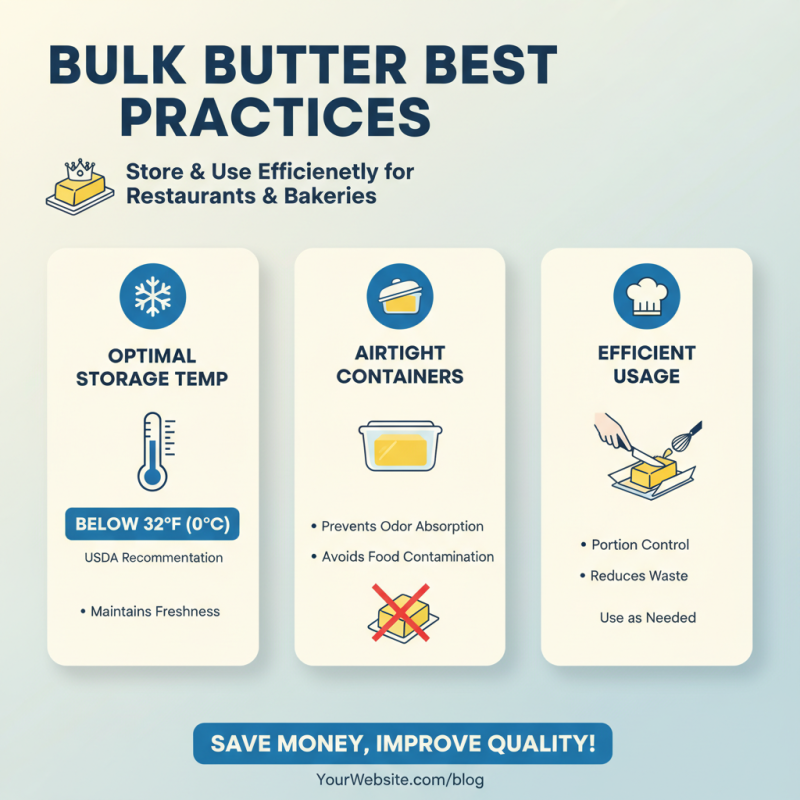
Bulk butter is a practical choice for restaurants and bakeries. However, storing and using it efficiently can pose challenges. According to the USDA, the optimal storage temperature for butter is below 32°F (0°C). This temperature keeps the butter fresh for an extended period. A common error is to store butter in its original packaging. Always use airtight containers to avoid odors from other foods.
Here are some tips for efficient storage: Freeze bulk butter in portions. This method ensures you only defrost what you need. Divide the butter into smaller blocks and wrap them in wax paper. Label containers with dates to track freshness. Adjust your inventory management by keeping a rotating stock.
Using butter efficiently in recipes requires understanding its properties. For instance, butter's moisture content affects baking. For high-quality results, professionals recommend testing butter before use. Regularly check for off-flavors or rancidity. Noticing any change can prevent wasting ingredients. Embracing these best practices not only enhances the quality of food but also optimizes cost-effectiveness in your kitchen operations.
Related Posts
-
10 Essential Tips for Buying Bulk Butter Successfully
-

Ultimate Guide to Bulk Butter Storage Tips for Freshness and Flavor
-

Top 10 Uses for Bulk Butter in Cooking and Baking?
-

2026 How to Choose the Best Farm Milk for Your Family
-

How to Choose the Right Dairy Supplies for Your Farm Business?
-
2026 Top Plant Butter Brands and Their Health Benefits