What Is Pure Matcha Powder?
Pure Matcha Powder is finely milled green tea made from tencha leaves, traditionally shaded before harvest. The leaves are steamed, dried, stripped of stems and veins, then ground into a vivid green powder. In the cup, it can smell grassy, taste gently sweet, and leave a soft, savory finish. Some batches feel creamy; others taste sharper.
“Tea is naught but this: first you boil water, then you make tea and drink it.” This saying is attributed to Sen no Rikyu, the influential Japanese tea master. His words point toward matcha’s practical heart: careful preparation matters, but the drink should remain approachable. For a modern buyer, “pure” usually means the powder contains matcha and no added sugar, milk powder, or flavoring. It does not automatically promise a particular grade, origin, harvest, or taste.
That distinction is easy to miss. A bright color can be a useful clue, not proof of freshness or quality. Check the ingredient list, harvest information, packaging date, and storage guidance. Good matcha is commonly protected from light, heat, air, and moisture, so resealable, opaque packaging helps. A teaspoon whisked with warm—not boiling—water should disperse into a fine foam, though small clumps can still appear. Not a verdict. Even experienced drinkers disagree about the ideal bitterness, and labels can be vague. This guide explains what Pure Matcha Powder is, how it is produced, and what practical signs can help you choose it. It also leaves room for a simple truth: no label can tell you exactly how a cup will taste. Taste varies.
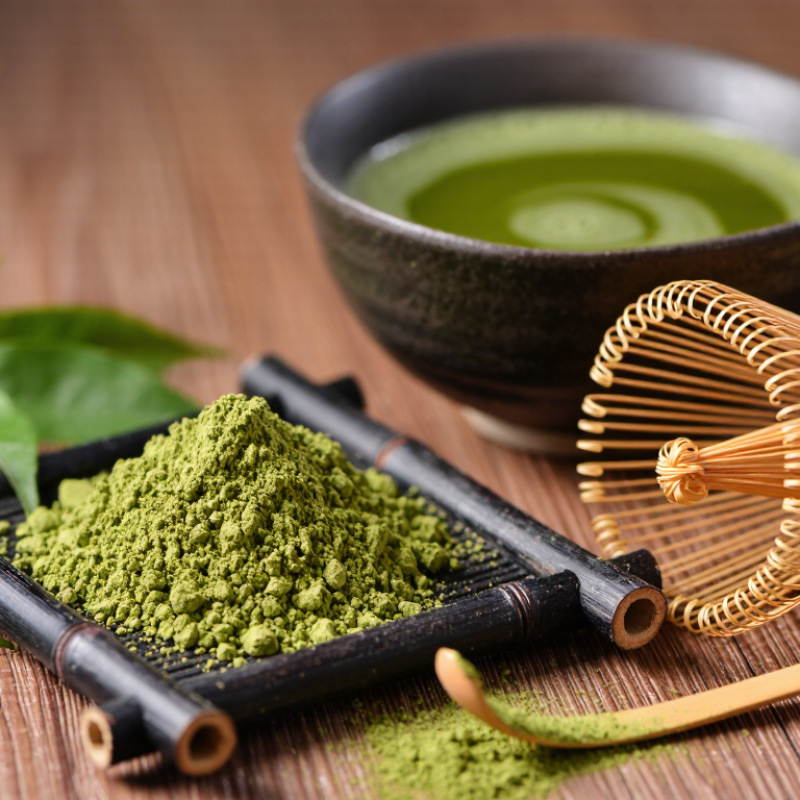
Definition and Composition of Pure Matcha Powder
What Is Pure Matcha Powder?
Pure matcha powder is finely milled green tea made from shade-grown leaves, typically processed into tencha before grinding. Unlike brewed tea, the powder is whisked into water, so the leaf material is consumed too. A pure product contains matcha alone, without sweeteners, milk powder, or added flavorings. The word “pure” does not guarantee a specific grade or nutrient profile; production methods and leaf quality differ.
Its composition includes tea solids such as catechins, amino acids, caffeine, fiber, and minerals. In a peer-reviewed analysis, Weiss and Anderton (2003) measured caffeine at 18.9–44.4 milligrams per gram and catechins at 5.2–7.5% of dry weight across tested matcha samples. These are sample ranges, not fixed values for every powder. That matters. Shade, harvest timing, and processing can influence the final composition, while color and fine texture offer practical clues, not proof of purity.
Tips: Check the ingredient list for green tea powder alone. A small amount stirred into warm water should form a smooth, vivid-green drink; clumps can simply mean it needs better whisking.

How Matcha Leaves Are Grown and Processed
Pure matcha begins with tencha, tea leaves cultivated for fine powder. Growers cover tea bushes before harvest, reducing direct sunlight and encouraging tender leaves with deeper green color. Shade duration and intensity vary by farm, so the result is not perfectly uniform. That variation matters.
Japan’s Ministry of Agriculture, Forestry and Fisheries reported about 4,176 metric tons of tencha production in 2022, in its Tea Production Statistics. The figure reflects a growing supply of the leaf used for matcha, not the amount of finished powder. Skilled growers watch for leaf maturity and weather, then harvest carefully to limit damage.
Fresh leaves are steamed to stop oxidation, then dried without rolling. Stems and veins are removed, leaving the leaf material known as tencha. It is slowly ground into powder, traditionally with stone mills; the process produces little powder at a time. Heat and storage can affect aroma, so careful handling matters after milling, too. The steps sound simple. They are not. MAFF’s production data describes scale, while the craft depends on decisions that statistics cannot fully capture.
What Is Pure Matcha Powder? - How Matcha Leaves Are Grown and Processed
| Stage or Dimension | What Happens | Why It Matters |
|---|---|---|
| What “pure matcha” means | Matcha is a finely powdered tea made from specially cultivated and processed green tea leaves, traditionally called tencha before grinding. Pure matcha contains tea powder rather than added sweeteners, milk powder, or flavorings. | Checking the ingredient list helps distinguish plain matcha from sweetened or blended matcha-style products. |
| Tea plant | Matcha is made from leaves of the tea plant, Camellia sinensis. Cultivars, growing conditions, and harvest timing can vary. | These factors can influence the powder’s color, aroma, taste, and composition. |
| Shade cultivation | In many traditional production methods, tea bushes are shaded for roughly three to four weeks before harvest. The degree and duration of shading vary by producer and tea style. | Reduced sunlight changes leaf growth and chemistry, often contributing to a greener color and a more pronounced savory character. |
| Harvesting | Leaves are picked, often with an emphasis on young, tender growth for higher-grade matcha. Harvest methods and leaf selection differ across regions and products. | Leaf maturity and condition affect flavor and the amount of sorting required later. |
| Steaming | Freshly harvested leaves are commonly steamed to limit oxidation and preserve their green character. | This step helps maintain the fresh color and vegetal qualities associated with green tea. |
| Drying and tencha production | After steaming, leaves are dried without the rolling step used for many other Japanese green teas. The dried leaf material is known as tencha. | Tencha is the traditional raw material for matcha; it is not the same as ordinary rolled green tea leaves. |
| Sorting and de-stemming | Stems, veins, and other unwanted material are removed from the dried leaves before grinding. | Careful sorting helps create a finer powder and a smoother, more consistent texture. |
| Grinding | Tencha is ground into a fine powder. Traditional stone mills are used for some matcha, while other grinding equipment may also be used. | Fine, even particles disperse more readily in water. Grinding method and speed can affect production time and heat exposure. |
| Appearance and flavor | Matcha is typically a fine green powder. Its taste can range from mild and sweet-leaning to more robust, vegetal, or bitter, depending on the leaf and processing. | Color alone does not establish quality; aroma, freshness, texture, and taste are also useful considerations. |
| Storage after opening | Keep matcha tightly sealed in a cool, dry, dark place and follow the package instructions. Limit exposure to air, moisture, heat, and light. | Good storage helps slow losses in color and aroma. Refrigeration may be suitable when condensation is prevented. |
Key Characteristics of Pure Matcha
Pure matcha powder is made from finely milled tea leaves, traditionally grown in shade and processed as tencha. “Pure” means the powder contains matcha alone, without added sugar, milk powder, or flavoring. Its texture should feel very fine, almost like soft flour, and its color often ranges from bright to deep green. Color can vary with leaf, harvest, and storage, so appearance alone proves little.
The flavor is typically vegetal and gently sweet, with savory umami and some bitterness. A fresh aroma may suggest greens or seaweed. Matcha does not dissolve completely in water; tiny leaf particles remain suspended and may settle. A bamboo whisk helps create an even, lightly foamed cup, but a small whisk or shaker can work too. The result can taste different with water temperature and quantity. That variation is easy to overlook.
Tips: Sift clumps before whisking. Use warm, not boiling, water to avoid a harsher taste. Keep the powder sealed, cool, and away from light and moisture. These checks help, but they are not perfect; freshness and personal taste matter, too.
What Is Pure Matcha Powder? — Key Characteristics of Pure Matcha
Typical Caffeine Content per Serving
Pure matcha is finely ground green tea leaf, so the whole leaf is consumed rather than steeped and removed. Its caffeine content varies with the tea and serving size. These approximate ranges compare a 1 g serving of matcha with an 8 oz (240 ml) serving of brewed green tea or coffee; actual amounts can differ.
Matcha Grades and Their Differences
Matcha grades describe differences in leaf selection, cultivation, and intended use, but the terms are not governed by one worldwide grading scale. Japan’s Ministry of Agriculture, Forestry and Fisheries reported about 7,579 tonnes of green-tea exports in 2023. That figure shows growing international trade, not a measure of matcha quality. A grade name alone proves little.
Higher-quality drinking matcha is commonly made from shade-grown, young leaves with stems and veins removed. It tends to look bright green and taste smoother, with savory umami and less sharp bitterness. Lower-cost culinary matcha may use leaves selected for stronger flavor and color in recipes. Its bitterness can stand up to milk, sugar, or baking. The difference is practical. A delicate bowl asks for softness; a cake can handle a bolder powder.
Check the ingredient list for pure tea, then look for harvest and origin details. Sensory research on shaded tea links cultivation conditions with changes in amino acids and catechins, compounds that shape sweetness and bitterness. Still, “ceremonial” and “culinary” are not reliable universal grades. I’d treat them as clues, not guarantees. Color, aroma, and a small taste test often reveal more than the label.
Common Uses and Proper Storage of Matcha Powder
Pure matcha powder is finely ground green tea, valued for its vivid color and grassy, sometimes gently bitter flavor. Its texture and taste make it useful beyond a traditional whisked drink. Sifting the powder before mixing helps prevent small clumps, especially in cold liquids.
For a simple bowl, whisk matcha with warm water until a light foam forms. Use it sparingly in smoothies, lattes, yogurt, or baking; its flavor can disappear beneath strong sweeteners. In cakes and cookies, mixing it with dry ingredients helps distribute the powder more evenly. A little goes a long way. If you are new to matcha, try a small amount first and adjust to taste.
Matcha is sensitive to air, light, warmth, and moisture, which can dull its color and aroma. Keep it in a tightly sealed, opaque container in a cool, dry cupboard, away from the stove and strong-smelling foods. Use a clean, dry spoon each time. If storing it in the refrigerator, seal it well and let the closed container reach room temperature before opening; otherwise, condensation may form inside. Check the powder’s color and scent over time, while remembering that appearance alone cannot confirm freshness.
