What Is Lactose Free Milk?
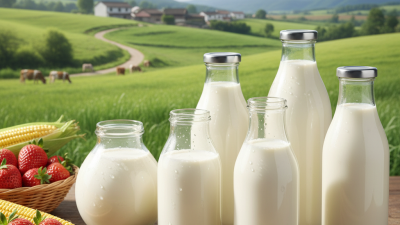
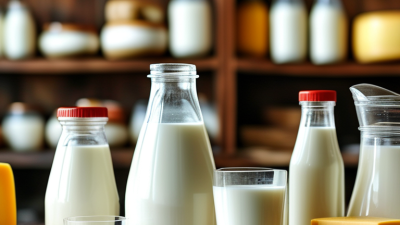
Lactose-free milk looks much like ordinary milk in a glass: pale, creamy, and familiar. The difference is inside. It has been treated with lactase, an enzyme that breaks lactose into simpler sugars. That can make it easier for many people with lactose intolerance to digest, though taste and tolerance vary. It is still milk, not a dairy-free alternative.
Lactose researcher Dr. Dennis Savaiano has noted that many people with lactose intolerance can tolerate some lactose. That distinction matters. A lactose-free label does not mean everyone will feel exactly the same after drinking it, and it does not indicate that milk proteins have been removed. Some products taste slightly sweeter because lactose’s breakdown products taste sweeter to many people. Small detail, noticeable in coffee.
The nutrition label deserves a glance. Protein and calcium may be similar to those in regular milk, but brands and added ingredients differ. Check the carton. People with milk allergies need a different conversation, since lactose-free milk usually still contains milk proteins. This is where labels can confuse.
In this guide, we’ll look at how lactose-free milk is made, who may find it useful, and how it compares with regular milk. We’ll also consider taste, nutrition, and practical ways to choose a carton. No single option suits everyone. Sometimes the simplest test is a small serving and careful attention to how your body responds.
Definition and Composition: One Cup of Milk Has About 12 g of Lactose (NIDDK)
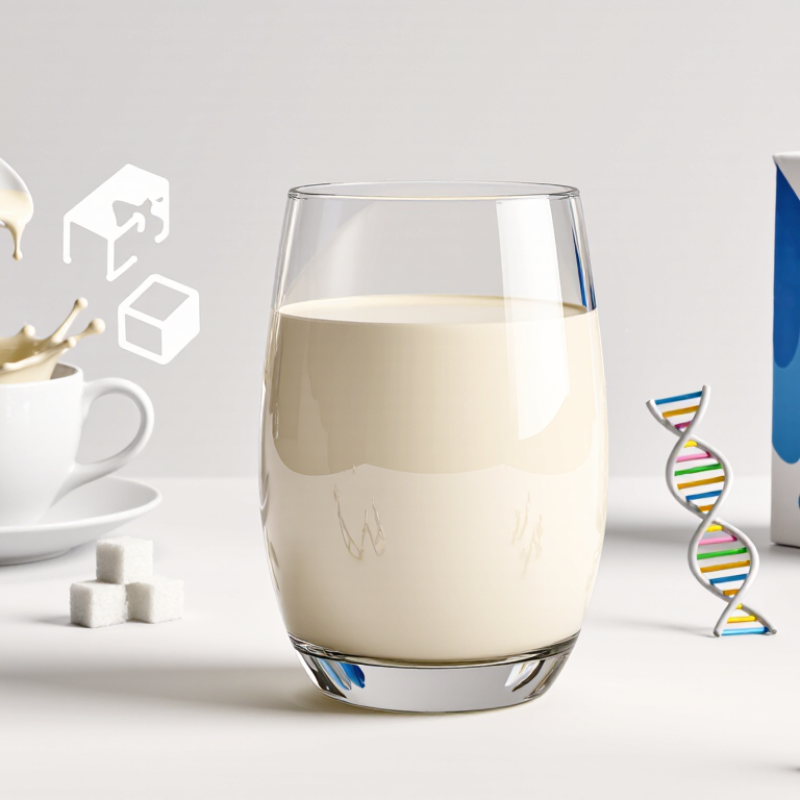
Lactose is the natural sugar in milk. According to the National Institute of Diabetes and Digestive and Kidney Diseases (NIDDK), one cup of milk contains about 12 grams. That amount may be difficult to digest for someone whose small intestine makes too little lactase, the enzyme that breaks lactose down. A glass beside breakfast cereal can look ordinary, but its lactose still counts.
Lactose-free milk is usually cow’s milk treated with lactase. The enzyme splits lactose into glucose and galactose, two simpler sugars. It does not typically remove milk’s protein, calcium, or other nutrients, though nutrition labels are worth checking because products can differ. The milk may taste sweeter. That sweetness comes from the smaller sugars, not necessarily from sugar added during processing. The label can sound absolute, yet “lactose-free” does not mean every person will feel the same after drinking it.
For a practical comparison, use the serving size on the carton and look at total sugars. Regular milk’s roughly 12 grams of lactose provide a useful reference, not a personal tolerance limit. Some people tolerate small amounts, while others notice symptoms after less. Bodies are inconveniently individual. If symptoms persist or dietary changes feel confusing, a registered dietitian or healthcare professional can help assess options without assuming milk is the only cause.
How Lactase Enzymes Split Lactose into Glucose and Galactose
What Is Lactose Free Milk?
How Lactase Enzymes Split Lactose into Glucose and Galactose
Lactose-free milk is ordinary dairy milk with most or all of its lactose broken down. Lactase, an enzyme, splits each lactose molecule into glucose and galactose. The milk still contains dairy proteins and nutrients; it is not the same as plant-based milk. The National Institute of Diabetes and Digestive and Kidney Diseases estimates that about 68% of the world’s population has lactose malabsorption. That figure does not mean everyone has symptoms.
This enzyme reaction also changes the taste. Glucose and galactose taste sweeter than lactose, so lactose-free milk may seem sweeter even without added sugar. It is not necessarily lower in total sugars. USDA FoodData Central lists about 4.8 grams of carbohydrate per 100 grams of whole milk; values vary by product. Processing methods differ, too, and labels may not explain exactly how much lactose remains. That part can be frustrating.
Tips: Compare nutrition labels, not sweetness alone. If managing lactose matters, check the package’s lactose-free claim and ask a healthcare professional about persistent symptoms.
What Is Lactose-Free Milk? — How Lactase Enzymes Split Lactose into Glucose and Galactose
| Dimension | Typical information | What it means |
|---|---|---|
| What lactose is | A naturally occurring sugar in milk, made of glucose and galactose joined together. | Lactose is a disaccharide: one molecule composed of two simpler sugar molecules. |
| The lactase enzyme | Lactase, also called beta-galactosidase, catalyzes the breakdown of lactose using water. | This reaction is called hydrolysis. It separates lactose into glucose and galactose. |
| Reaction products | 1 lactose molecule + water → 1 glucose molecule + 1 galactose molecule. | The sugars remain in the milk; the lactose is broken into smaller sugars rather than simply removed. |
| How it is commonly made | Lactase is added to milk, where it acts on lactose during processing or storage. | The enzyme breaks down lactose; the exact process and remaining lactose level vary by product. |
| Taste | Often tastes sweeter than regular milk, even when no extra sugar has been added. | Glucose and galactose can taste sweeter than lactose. |
| Nutrition | Protein, fat, calcium, and total carbohydrate are generally similar to those in the corresponding regular milk, though values depend on the product. | Lactose breakdown changes the form of the sugar, not necessarily the total amount of carbohydrate or calories. |
| Lactose intolerance | People with lactose intolerance may have digestive symptoms when they cannot digest enough lactose. | Lactose-free milk can be easier to digest for many people with lactose intolerance. It is still dairy milk and is not suitable for a milk allergy. |
| Product labeling | “Lactose-free” describes a product made to contain no or very little lactose; exact labeling standards can vary by location. | Check the package label when a specific lactose level matters. |
Nutrient Profile: About 8 g of Protein and 300 mg of Calcium per Cup (USDA)
What Is Lactose Free Milk?
Lactose-free milk is dairy milk with lactase added to break down lactose, its natural sugar. It still provides many of the nutrients found in regular milk. A USDA-based estimate for one cup is about 8 grams of protein and 300 milligrams of calcium. That makes it a practical way to add protein and bone-supporting calcium to breakfast or a snack.
Protein helps maintain and repair body tissues, while calcium supports bones and teeth. Pour a cup over cereal, or drink it alongside toast and fruit. The taste may seem slightly sweeter because lactose has been split into simpler sugars. Nutrient amounts can vary with milk type and serving size, so I wouldn’t treat the estimate as exact. Check the nutrition label.
Tips: Measure a cup at home once; mugs can hold more than you think. Compare labels for calcium and protein, especially if choosing a lower-fat option. Lactose-free milk still contains milk proteins, so it is not suitable for someone with a milk allergy. A small detail, but an important one.
What Is Lactose-Free Milk?
Approximate nutrient values per 1-cup serving, shown as a percentage of the FDA Daily Value.
One cup provides about 8 g of protein and 300 mg of calcium. Lactose-free milk is dairy milk in which the lactose has been broken down into simpler sugars.
Global Context: Lactose Malabsorption Affects About 68% of People (NIH)
What Is Lactose-Free Milk?
Lactose malabsorption affects an estimated 68% of people worldwide, according to figures cited by the NIH. That number describes difficulty digesting lactose, not necessarily symptoms in every person. Rates differ across populations, and people’s experiences vary. Some feel bloated or uncomfortable after a glass of milk; others notice little. The statistic is broad, not a personal diagnosis.
Lactose-free milk is usually cow’s milk treated with lactase, an enzyme that breaks lactose into simpler sugars. It still contains milk proteins and nutrients such as calcium, so it is not dairy-free. Its taste may seem slightly sweeter, even without added sugar. That detail surprised me at first. People with milk allergy need a different approach, since removing lactose does not remove milk proteins.
Tips: Try a small serving with a meal and note how you feel. Compare labels for calcium and added ingredients, especially if you rely on milk as a regular source of nutrients. If symptoms continue, or you are unsure what causes them, ask a qualified health professional rather than treating the 68% estimate as your answer.
Processing and Labeling: Lactose-Free Standards Vary by Market
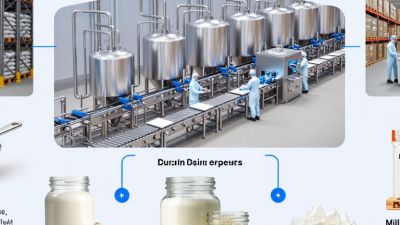
Lactose-free milk is usually made by adding lactase, which splits lactose into glucose and galactose. Some producers also use filtration to remove part of the lactose before treatment. The processing method alone does not define the label. Residual levels and testing rules differ across markets. The Codex Alimentarius General Standard for the Use of Dairy Terms (CXS 206-1999) sets international guidance on dairy terminology, but does not establish one universal lactose-free threshold. In the United States, there is no single FDA-prescribed numerical cutoff for this claim. Local rules and enforcement therefore matter.
Check the package’s wording and the market where it is sold. A label can look more precise than its testing basis. The European Food Safety Authority’s 2010 scientific opinion reported that many lactose maldigesters tolerate about 12 grams of lactose in one sitting with no or minor symptoms. That figure is not a labeling standard, and individual responses vary. It does, however, show why “lactose-free” should not be read as a promise that every person will feel the same after drinking the milk. Producers need reliable laboratory methods, clear records, and claims suited to local requirements. Small differences in test sensitivity can matter. So can serving size.
Related Posts
-
China Top Farm Milk Brands and Their Unique Features?
-
China Top 10 Milk Cream Manufacturers for Global Buyers
-
2026 Top Plant Butter Brands and Their Health Benefits
-
What Are the Top 10 Milk Ingredients Suppliers in China?
-
Top Lactose Free Products for 2026 Global Buyers?
-

China Top Raw Milk Delivery Suppliers for Global Buyers?