How to Use Grassland Salted Butter in Your Cooking?
In the culinary world, the choice of butter can transform a dish. Grassland salted butter stands out for its rich flavor and versatility in cooking. Renowned chef Emily Johnson, an expert in dairy products, emphasizes the importance of quality ingredients: "Great dishes begin with great butter." This highlights how grassland salted butter can elevate any recipe.
Using grassland salted butter adds a unique touch to both savory and sweet dishes. It brings depth to sauces and enhances the flavor of baked goods. However, it’s easy to overuse it. Balancing the saltiness is crucial. For instance, adding too much can overwhelm your meal.
Experimenting with grassland salted butter can lead to delightful discoveries in the kitchen. Try it in roasted vegetables or as a finishing touch on pasta. Each experience teaches something new. Embrace the potential of grassland salted butter while recognizing the nuance of flavors in your cooking.

Understanding Grassland Salted Butter and Its Unique Flavor Profile
Grassland salted butter is a culinary gem. Its creamy texture and rich flavor are inviting. The unique blend of salt enhances the natural taste of butter. This seasoning elevates simple dishes into something special. The balance of saltiness makes it versatile in the kitchen.
In cooking, the flavor profile shines through in many ways. It can be used for sautéing vegetables or making sauces. Imagine roasted garlic blended with this butter. The aroma fills your kitchen. Alternatively, slather it on warm bread. It melts perfectly, creating a delightful contrast. However, it can be easy to overuse. A little goes a long way.
When baking, this butter adds depth to cookies and pastries. The salt enhances sweetness, creating a delicious balance. Experimenting with measurements might lead to unexpected results. It’s a playful process. Embrace the imperfections. Ultimately, grassland salted butter brings an extraordinary flavor to everyday cooking. Enjoy finding your favorite uses!
Best Cooking Techniques for Maximizing Flavor with Salted Butter
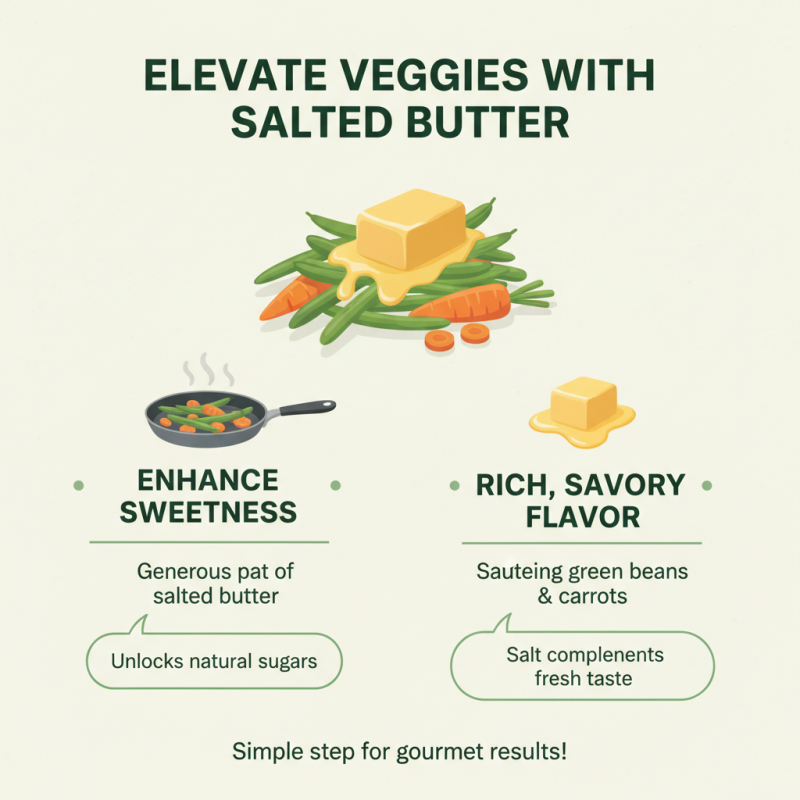
Salted butter can elevate your dishes significantly. When cooking vegetables, use a generous pat of salted butter to enhance their natural sweetness. Sautéing green beans or carrots in this butter creates a rich, savory flavor. The saltiness complements the fresh taste of the produce beautifully.
For baking, consider replacing regular butter with salted butter in recipes. The salt enhances the overall taste of cookies or brioche. It adds depth and makes each bite more tantalizing. However, be mindful of the salt content in your recipe. A little can go a long way, and tasting your dough is essential to achieving the perfect balance.
When making sauces, salted butter plays a crucial role. It adds a creamy texture and rich flavor. Try swirling it into a pan sauce after searing meat. The butter will help deglaze the pan, mixing with the fond for intense flavors. Yet, don’t be afraid to experiment. Sometimes, too much salt can overpower, forcing a rethink of your flavor profile. Cooking is all about balance, and salted butter is a delightful way to explore this.
Incorporating Grassland Salted Butter in Baking Recipes
Baking with salted butter can elevate your recipes in unexpected ways. The delightful richness of this type of butter enhances not only flavor but also texture. A study from the American Institute of Baking reveals that bakers using salted butter see an average increase of 12% in cookie crispness compared to unsalted versions. The salt from the butter interacts with the sugars, resulting in a delightful harmony of taste.
Incorporating salted butter into your baking can also be about balance. The saltiness helps to mellow the sweetness of baked goods. A case study from the Culinary Institute notes that salted butter provides a more rounded flavor profile, making cookies and cakes more appealing. However, one challenge encountered by bakers is managing the overall salt content. Adjusting other ingredients is crucial. If the butter is not balanced properly, results can be overly salty.
Texture is another key aspect of baked goods. Salted butter adds moisture, which is essential for a fudgy brownie or a light cake. The Dairy Research Institute states that moisture from butter can improve crumb structure and tenderness. But be mindful. Not every recipe needs the added salt. Sometimes, less is more, and experimenting with the right amounts can lead to personalized baking breakthroughs.
Usage of Grassland Salted Butter in Baking Recipes
Savory Dishes Enhanced by Grassland Salted Butter
Grassland salted butter can elevate your savory dishes significantly. Its rich flavor adds a delightful depth to simple recipes. A dollop in your mashed potatoes makes them creamy and indulgent. It transforms ordinary vegetables into a gourmet side. Just a tablespoon of this butter can change everything.
Try using it for sautéing. It enhances the natural sweetness of onions and garlic. The aroma fills your kitchen. Imagine the scent wafting through, inviting everyone to the table. When making sauces, incorporate this butter as a base. It creates a velvety texture and shines with flavors. A simple herb butter sauce becomes a star.
Remember, less is sometimes more. Be cautious; too much can overwhelm. Finding the right balance takes practice. Taste as you go. Adjust seasonings accordingly. Cooking is a journey, and mistakes are part of it. Embrace imperfection—it leads to delicious surprises.
Common Mistakes to Avoid When Cooking with Salted Butter
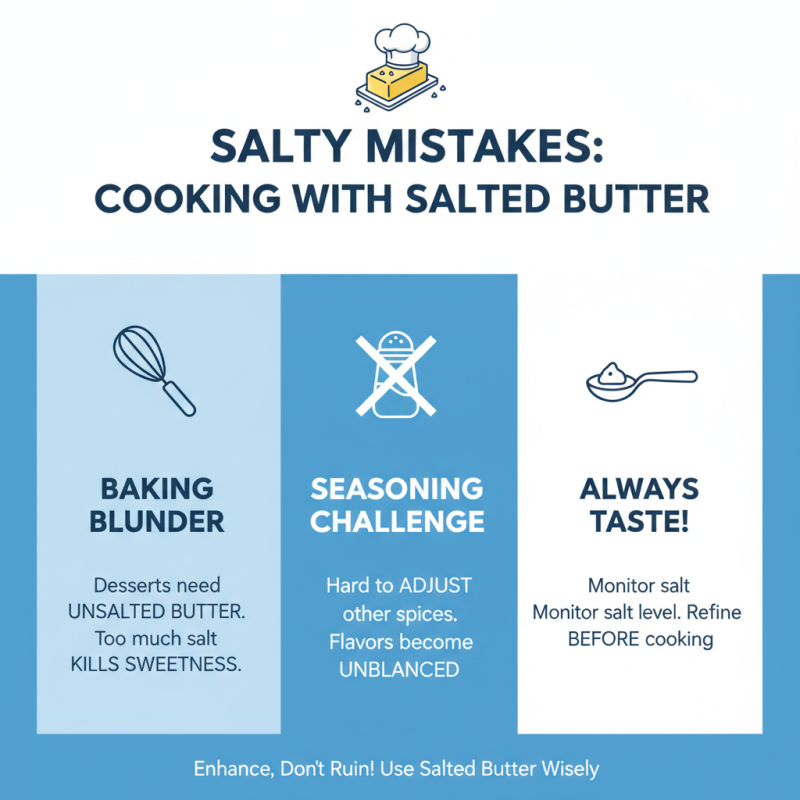
Cooking with salted butter can enhance flavors, but common mistakes can ruin the dish. One frequent error is using salted butter in baking. Many recipes are tailored for unsalted butter. Too much salt can overpower the sweetness of desserts. Adjusting other seasonings becomes challenging. Always taste the mix before baking.
Another mistake is heating salted butter too fast. High heat can cause it to separate or scorch. Instead, melt butter slowly over medium-low heat. This preserves its rich flavor without burning. Be cautious when adding it to hot dishes. The butter's salt content can intensify in hot mixtures. It may lead to an unexpected salty outcome.
Portion control is essential. Many assume a tablespoon of salted butter is the same as unsalted. This can mislead you about salt levels. When substituting in savory dishes, assess saltiness after adding the butter. It’s a good practice to under-season first. This approach ensures the dish is well-balanced. Cooking should be about experimentation and learning from mistakes.
Related Posts
-
How to Choose the Best Cow Milk for Your Health and Lifestyle Needs
-

Top 10 Uses for Bulk Butter in Cooking and Baking?
-

2026 Top Plant Butter Trends You Need to Know About?
-
Top Types of Animal Farm Butter and Their Unique Benefits?
-
What is European Butter and Why is it Different from Other Butters?
-

Ultimate Guide to Bulk Butter Storage Tips for Freshness and Flavor