Top Weatherproof Labeling Materials You Need for Your Business?
In the ever-evolving world of product labeling, choosing the right materials is crucial. John Smith, a leading expert in labeling solutions, states, "Investing in Top Weatherproof Labeling Materials ensures your products stand the test of time." His insights highlight the importance of durable labels in various industries.
As businesses expand their operations, the need for reliable labeling grows. Weatherproof labels not only withstand the elements but also maintain their appearance and functionality. Whether it’s rain, humidity, or sunlight, these materials play a vital role in preserving brand integrity. Companies that prioritize top weatherproof labeling materials see improved customer satisfaction and reduced costs over time.
However, determining the best options can be challenging. Many brands struggle to find the right balance between quality and budget. This underscores the importance of expertise in selecting the right materials. With careful consideration, businesses can navigate these decisions and enhance their products' robustness against environmental factors. Embracing proper labels can ultimately be the difference between a lasting brand impression and one that fades away.
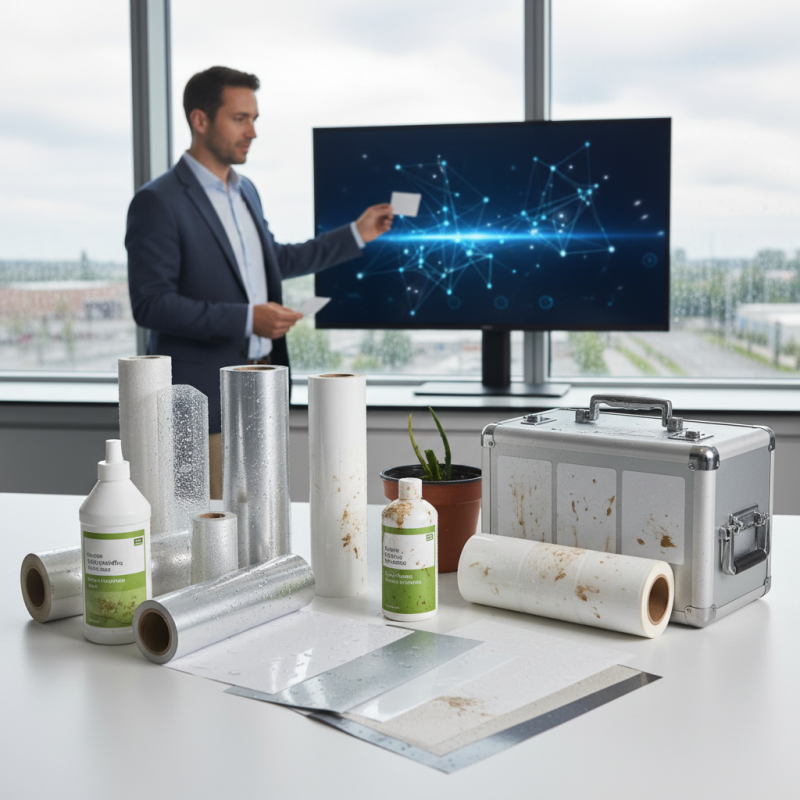
Understanding Weatherproof Labels and Their Importance
Weatherproof labels are essential for businesses that operate in various environmental conditions. These labels offer protection against moisture, heat, and UV exposure. Understanding their importance helps businesses maintain professionalism and ensure their messages remain clear, regardless of the weather.
Choosing the right materials for weatherproof labels can make a significant difference. Consider using vinyl or polyester. They resist wear and tear effectively. Additionally, ensure that the adhesives used are durable. This prevents labels from peeling off. A good tip is to test labels in your specific environment. Sometimes, what works in one setting may not be effective in another.
Another key consideration is visibility. Weatherproof labels should be easy to read under different conditions. Select colors and fonts that stand out. Experiment with contrasting colors for enhanced visibility. It's not just about durability; it's about ensuring your message gets through. Regularly revisiting your labeling strategy can reveal areas for improvement, reinforcing the importance of adaptability in your approach.

Types of Weatherproof Labeling Materials Available
When choosing weatherproof labeling materials, various options are available. Each type offers unique benefits suited for different environments. Vinyl labels are among the most popular choices. They are durable and can withstand exposure to water and UV rays. According to industry research, vinyl can last over five years outdoors without significant degradation.
Polyester is another strong contender. It is known for its tear resistance and stability. Labels made from polyester can endure high temperatures, making them ideal for industrial settings. Some studies suggest that these materials can maintain clarity and integrity even after prolonged exposure to harsh chemicals.
Tip: Always consider the environment where your labels will be used. Moisture, temperature, and exposure to sunlight can greatly affect label longevity.
Paper labels, although less durable, are often used for indoor applications. They can be coated for additional protection. However, they are not recommended for outdoor use. Experimenting with different finishes can enhance weather resistance.
Tip: Test your labels in a real-world environment before committing to a large order. Feedback from end-users can help you refine your material choice.
Top Weatherproof Labeling Materials You Need for Your Business
| Material Type | Durability | Water Resistance | UV Resistance | Ideal Uses |
|---|---|---|---|---|
| Vinyl | High | Yes | Yes | Outdoor signage, product labeling |
| Polyester | Very High | Yes | Yes | Durable product labels, industrial applications |
| BOPP (Biaxially Oriented Polypropylene) | Medium | Yes | Moderate | Food packaging, cosmetic labeling |
| Paper (Synthetic) | Medium | Limited | No | Indoor use, temporary labels |
| Polypropylene | High | Yes | Moderate | Retail product labels, chemical labeling |
Key Features to Look for in Weatherproof Labels
When choosing weatherproof labeling materials, it’s crucial to understand key features. Start with durability. Labels should withstand extreme temperatures, moisture, and UV exposure. This ensures they remain intact and legible in various conditions.
Another essential feature is adhesion. Strong adhesives ensure that labels stick well to surfaces, even in challenging environments. Consider the surface type. Certain adhesives work better on textured or uneven surfaces. A label may peel off if the adhesive isn’t compatible.
Tips: Always test labels in real conditions. This helps identify any potential failures before bulk ordering. Regularly review your labeling needs as your business evolves. Don’t overlook feedback from customers or staff. It helps improve your label performance.
A final consideration is printability. Ensure that your labels can be easily printed on with standard printers. Some materials may smudge or fade after printing. Testing different materials can provide insight into which options work best for your applications.
Applications of Weatherproof Labels Across Various Industries
Weatherproof labels play a crucial role across various industries. They offer durability and visibility, even in harsh environments. A report by Smithers indicates that the global market for weatherproof labels is projected to reach $52 billion by 2025. This growth highlights the increasing demand for reliable labeling solutions.
In the food and beverage sector, the need for weatherproof labels is paramount. These labels must endure moisture, heat, and condensation. A study reveals that 74% of consumers prioritize product integrity, meaning labels must withstand elements to maintain their message. Similarly, in construction, labels must adhere to surfaces and endure weather fluctuations. Surprisingly, 30% of construction projects experience delays due to label failures.
The automotive industry also relies heavily on weatherproof labeling. Instruments and parts are often exposed to extreme conditions. Research indicates that clear and resistant labels improve safety compliance. However, a common oversight is neglecting long-term exposure testing, leading to unexpected failures. Addressing these issues ensures that labels remain legible and intact.
Best Practices for Designing and Applying Weatherproof Labels
When it comes to weatherproof labels, the design and application process is crucial. Choose durable materials that withstand moisture and UV exposure. Consider using vinyl or polyester. Both options provide robustness against varying weather conditions.
Designing your label requires thoughtful planning. Use high-contrast colors for visibility. Select fonts that are legible from a distance. Incorporate clear symbols for quick understanding. Ensure your text size is appropriate for the label’s purpose. Remember, clarity often trumps creativity.
Tip: Always test labels in real-world conditions before final production. Apply them to different surfaces and check their adhesion. Observe how they perform over time in adverse weather. Don't overlook the importance of feedback from users in different environments.
Applying your labels correctly is just as important as designing them. Ensure surfaces are clean and dry before application. Misalignment can lead to peeling or fading. Watch for bubbles—these can ruin the appearance and longevity of your labels.
Tip: Consider creating a mini-guide for your team on label application. Share best practices and common mistakes. This could boost overall quality and consistency in label use. A quick checklist can save time and ensure reliability.
