Top Wastewater Chemicals in China What Buyers Need to Know?
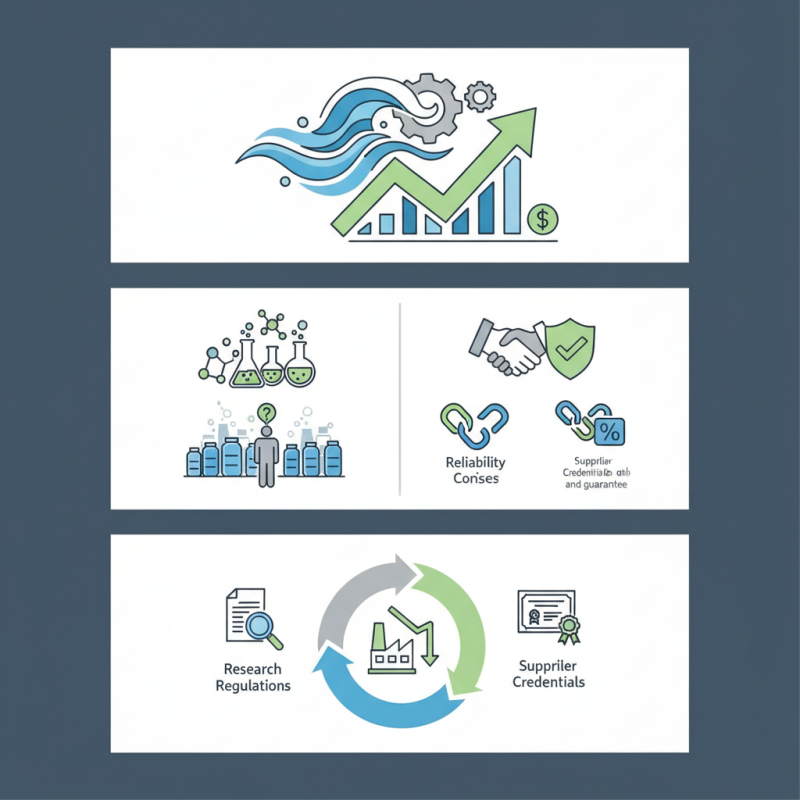
In the rapidly evolving landscape of wastewater treatment in China, the significance of Wastewater Chemicals cannot be overstated. According to the China Water Risk report, the demand for wastewater treatment chemicals is projected to reach over $10 billion by 2025. This growth reflects the increasing focus on sustainable practices and the urgent need for effective wastewater management.
The landscape is complex and often challenging. Various factors influence the purchasing decisions of industries relying on these chemicals. Buyers must navigate through numerous options, from coagulants to biocides. Furthermore, the reliability of suppliers plays a crucial role. Industry reports highlight that over 30% of buyers express concern regarding the quality and consistency of chemicals in the market.
Understanding the essential components of wastewater chemicals is key for informed purchasing. Not all products boast the same efficacy or safety standards. Buyers face the daunting task of ensuring compliance with local regulations, which can vary significantly across regions. This underlines the need for careful research and reflection on supplier credentials and product guarantees in an industry marked by volatility.
Overview of Wastewater Treatment Chemicals in China
China has been making significant strides in wastewater treatment. The market for wastewater treatment chemicals is expanding rapidly. These chemicals play a crucial role in removing contaminants from water. Their effectiveness can vary based on application and formulation. Understanding these details is essential for buyers.
Common types of chemicals include coagulants, flocculants, and disinfectants. Coagulants help remove suspended solids, while flocculants enhance particle aggregation. Disinfectants eliminate harmful microorganisms. Each chemical serves a specific purpose. However, the choice of chemical is not always straightforward. Factors such as water quality and user needs must be considered.
Buyers should also pay attention to local regulations surrounding chemical use. Compliance is vital for effective wastewater management. In China, the emphasis is on sustainable practices, reflecting a growing environmental awareness. Nevertheless, the market faces challenges. The availability of certain chemicals may fluctuate. Buyers need to stay informed to make the best purchasing decisions in a dynamic market.

Key Types of Wastewater Chemicals Used in the Industry
Wastewater treatment is crucial for environmental safety. Various chemicals play a vital role in this process. Understanding these chemicals can benefit buyers and industries alike.
Coagulants are common in wastewater treatment. They help remove suspended solids during the treatment process. These chemicals agglomerate particles, making them easier to filter out. Flocculants also serve a similar function. They enhance the settling process by creating larger clumps of solids. Users often see immediate results in water clarity.
Disinfectants are another key type of chemical. They eliminate harmful pathogens to ensure safe water reuse. Common options include chlorine and various ozone treatments. Each method has distinct pros and cons.
It's essential for buyers to analyze which method suits their specific needs. Balancing effectiveness with safety is essential in selecting the right chemicals. Careful consideration can improve outcomes and reduce potential risks in wastewater management.
Factors Influencing the Demand for Wastewater Chemicals
The demand for wastewater chemicals in China is shaped by several critical factors. Industrial growth plays a significant role. Rapid urbanization leads to increased wastewater generation. As cities expand, so does the need for effective wastewater treatment solutions. Manufacturers are pressured to comply with stricter regulations on water quality.
Another important factor is environmental awareness. Many communities prioritize sustainable practices. This shift influences purchasing decisions. Buyers are more inclined to choose eco-friendly chemicals. This trend also pushes manufacturers to innovate, creating greener products. However, not all suppliers meet these demands, which can lead to subpar choices.
Cost considerations cannot be ignored. The economic landscape affects buyer budgets. High-quality chemicals often come at a premium. Yet, cheaper alternatives may compromise treatment effectiveness. Buyers must navigate these challenges carefully. Understanding the specific needs of wastewater treatment is crucial in this complex market.
Regulatory Standards Affecting Wastewater Chemical Usage
China's wastewater treatment industry is guided by strict regulatory standards. These rules are designed to protect the environment and public health. Understanding these regulations is crucial for buyers of wastewater chemicals. According to a 2022 report from the China Water Environment Group, over 70% of treatment plants are compliant with national standards. However, compliance challenges still exist for many facilities.
The Ministry of Ecology and Environment (MEE) has outlined specific chemical usage limits. Buyers need to be aware of permissible concentrations for various treatment chemicals. For instance, some heavy metals must not exceed 0.5 mg/L in effluent. Failure to comply may lead to severe penalties, including plant shutdowns. Therefore, buyers must stay updated on regulatory changes.
Tips: Always verify the chemical compliance documentation before purchase. Consider working with certified suppliers who are familiar with the local regulations. Regular training on compliance can also benefit staff in understanding responsibilities and best practices. Failure to adapt can result in poor treatment outcomes and unnecessary fines.
Market Trends and Future Outlook for Wastewater Chemicals in China
The wastewater chemicals market in China is evolving rapidly. Heightened environmental regulations are leading to increased demand for effective treatment solutions. Industries are focusing on sustainable practices. This shift creates opportunities for innovation and development in the market.
Current trends indicate a rise in the use of biochemicals. Traditional chemicals are still prevalent but face pressure to improve efficiency. Buyers should be aware of this transition. Emphasis on eco-friendly options is driving research and development efforts. However, the quality of these alternatives can vary.
Looking ahead, the market faces challenges. Supply chain disruptions and fluctuating raw material costs are concerns. Companies should prepare for these uncertainties. Additionally, as awareness of environmental impact grows, customer preferences may shift. Understanding these dynamics is essential for stakeholders in the wastewater chemicals sector.
