2026 Top Plant Butter Trends You Need to Know About?
The rise of plant butter is transforming the food landscape. As consumers seek dairy-free alternatives, plant butter has gained significant popularity. According to market research, the plant-based butter market is projected to reach $3.48 billion by 2025, growing at a compound annual growth rate of 9.6%. This trend is fueled by the growing health consciousness and the rise of veganism.
In 2026, we will see innovative flavors and new formulations emerging in the plant butter category. Brands are experimenting with ingredients like avocado oil, coconut, and nuts, creating unique spreads that cater to diverse tastes. Despite these advancements, challenges remain. Not all consumers embrace plant butter fully, as some still prefer traditional dairy products.
This evolving landscape offers a mix of excitement and uncertainty. While the demand for plant butter grows, the quest for high-quality, sustainable options continues. There is much to learn from the journey ahead as both producers and consumers navigate the world of plant-based alternatives.

Plant Butter Overview: What Is It and Why It Matters
Plant butter is a revolutionary product that has gained popularity among those seeking healthier, sustainable alternatives to traditional dairy spreads. Made from a variety of plant oils and often enriched with nutrients, plant butter appeals to vegans and lactose-intolerant consumers alike. It is crafted to replicate the creamy texture and rich flavor of conventional butter, making it versatile for cooking and baking.
The rise of plant butter is significant, as it reflects changing consumer values. People are more aware of their health and environmental impact. Many ingredients, such as coconut oil or almond oil, allow for a diverse flavor palette, which can enhance dishes in unique ways. However, not all plant butters are created equal. Some may have additives or artificial flavors, which can undermine their health benefits. This is where informed choices come into play.
While plant butter can be an excellent substitute, its nutritional content varies widely. Some versions might contain more saturated fats than expected, despite being plant-based. Consumers need to scrutinize labels and do their own research. This growing trend invites conversation about nutrition and sustainability, challenging us to rethink our cooking staples and dietary choices.
Key Ingredients Driving the 2026 Plant Butter Trend
The rise of plant butter is changing the landscape of the spreadable fats market. Key ingredients are shaping this trend as consumers seek healthy alternatives. Reports project that the plant butter sector will grow substantially, reaching a valuation of over $3 billion by 2026. This shift is driven by health-conscious choices and dietary preferences.
Coconut oil and nut-based bases are leading the charge. They provide rich flavors while catering to vegan and lactose-free diets. Studies show that 60% of consumers are reducing animal product intake, fueling the demand for plant butter. However, ingredient transparency remains a concern. Many consumers are unsure about the processing methods of these plant-based products.
Moreover, the inclusion of health-boosting additives, like vitamins and omega-3 fatty acids, can draw interest. Yet, some still question the overall nutritional benefits. While the market enthusiasm is palpable, it’s crucial to address ingredient quality over mere novelty. As we explore this burgeoning segment, the conversation should focus on sustainability and health impact.
2026 Top Plant Butter Trends You Need to Know About
This chart displays the projected popularity index of various plant butter types for 2026. The index, ranging from 1 to 100, indicates consumer preference trends, with almond and coconut butters leading the way. As interest in plant-based alternatives rises, these ingredients will likely shape consumer choices.
Popular Plant Butter Varieties: A Comparative Analysis
Plant butter is becoming increasingly popular among those seeking dairy alternatives. With various types available, consumers often feel overwhelmed. Understanding the differences can help make the right choice.
Coconut butter stands out for its rich, creamy texture. It’s great for baking and spreading. However, its distinct flavor isn’t for everyone. Almond butter, on the other hand, offers a subtle nuttiness. It works well in savory dishes. Yet, some might find it too light.
When selecting plant butter, consider your needs. Are you baking? Cooking? Each type has its strengths. Test different varieties to see what you prefer.
Tips: Always check the ingredient list. Some brands add fillers or preservatives. A cleaner product is usually healthier. Don’t hesitate to mix different butters. This can create unique flavors. And remember, taste is subjective. What works for one may not work for another.
2026 Top Plant Butter Trends You Need to Know About
| Plant Butter Variety | Main Ingredients | Flavor Profile | Nutritional Benefits | Popularity Rating (1-10) |
|---|---|---|---|---|
| Coconut Butter | Coconut flesh, Coconut oil | Rich, creamy, and slightly sweet | High in medium-chain triglycerides, supports heart health | 9 |
| Almond Butter | Almonds, Sea salt | Nutty and slightly sweet | Rich in vitamin E, good for skin and hair health | 8 |
| Cashew Butter | Cashews, Vegetable oil | Creamy and mildly sweet | High in magnesium, supports energy levels | 7 |
| Sunflower Butter | Sunflower seeds, Sea salt | Mild and slightly nutty | Rich in vitamin E, suitable for allergy-friendly diets | 8 |
| Peanut Butter | Peanuts, Salt | Savory and slightly sweet | High in protein, supports muscle growth | 10 |
Health Benefits of Plant-Based Butters You Should Know
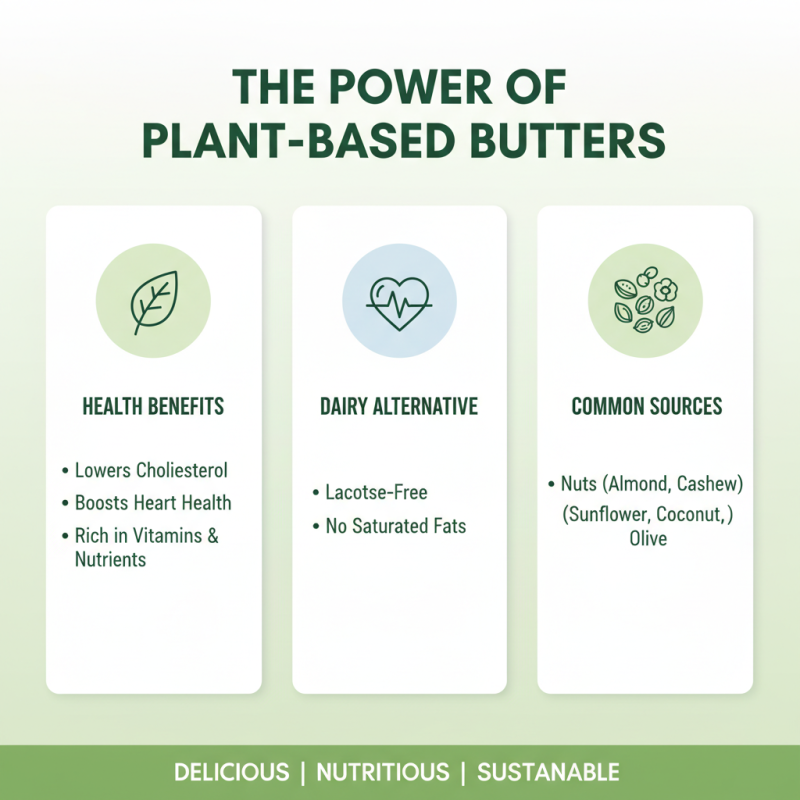
Plant-based butters are gaining popularity due to their numerous health benefits. They offer an excellent alternative to traditional dairy butters. Many are made from nuts, seeds, or vegetable oils. These options can reduce cholesterol levels and improve heart health. They are often rich in vitamins and nutrients, providing essential fats without the drawback of saturated fats found in dairy butter.
When incorporating plant-based butters into your diet, consider these tips. Start by mixing them into your daily meals. Use them on toast or in smoothies. They can enhance flavor and add creaminess. Be cautious, though; some spreads can be high in calories. Always check the ingredient list for additives and preservatives.
Explore different varieties to find what you like best. Almond and cashew butters offer unique textures and flavors. Sunflower butter is great for those with nut allergies. Reflect on how each option affects your body. Everyone's digestive system is different. Track how you feel after trying new types of butters. This can help determine what works best for you.
Sustainability and Environmental Impact of Plant Butter Choices
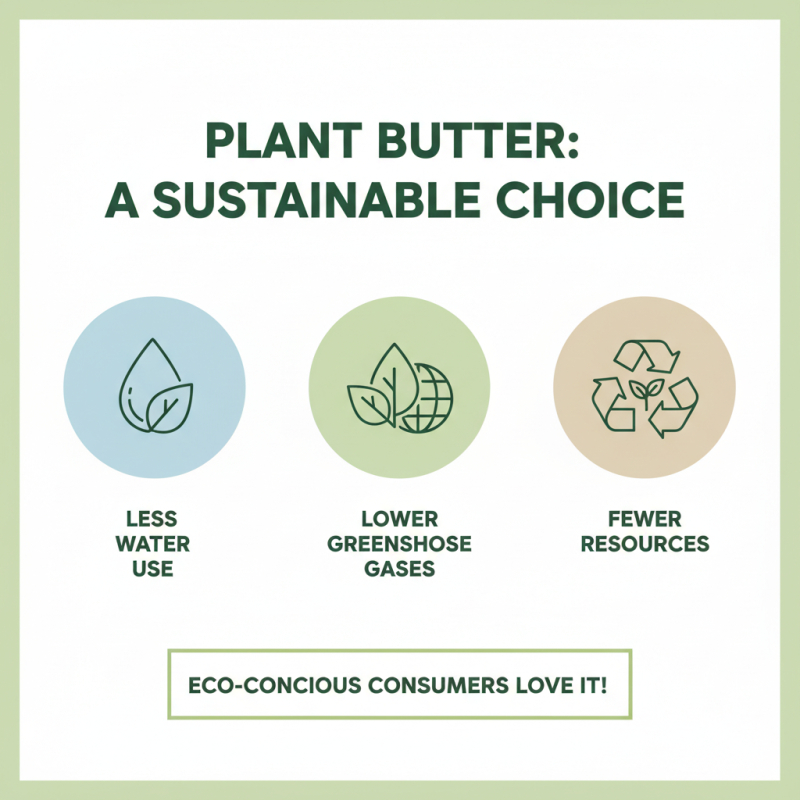
Plant butter is becoming a popular choice for many. People are drawn to its sustainability. Unlike traditional dairy, plant butter often requires fewer resources. It uses less water and produces less greenhouse gas. These factors make it an appealing alternative for eco-conscious consumers.
However, not all plant butters are created equal. Some options are highly processed. They may contain additives that are not environmentally friendly. It's important to scrutinize labels carefully. Choosing simpler, whole-food ingredients can benefit both personal health and the planet.
Though plant butter can reduce our carbon footprint, challenges remain. The farming practices for certain crops can still pose environmental risks. Soil depletion and pesticide use are concerns. Thoughtful choices and research are essential for truly sustainable options.
Related Posts
-
2026 Top Plant Butter Brands and Their Health Benefits
-
2026 Best Dairy Free Butter Options for Health Conscious Consumers?
-

Why Choose Plant Butter for Your Cooking Needs?
-

Top 10 Uses for Bulk Butter in Cooking and Baking?
-
What is European Butter and Why is it Different from Other Butters?
-

Top Types of Animal Farm Butter and Their Unique Benefits?