2026 Top Plant Butter Brands and Their Health Benefits
As plant-based diets gain popularity, the demand for plant butter grows. According to Dr. Emily Green, a nutrition expert, "Plant butter offers a healthier alternative to traditional dairy spreads." These spreads are not only delicious but also come with numerous health benefits.
Plant butter is made from various plant oils, nuts, and seeds. They provide healthy fats while being lower in saturated fats compared to dairy butter. There's a wide range of flavors and textures available, catering to personal preferences.
However, not all plant butters are created equal. Some can be high in added sugars or unhealthy oils, making it essential to choose wisely. It's important to read labels and understand what you're consuming. The journey to finding the best plant butter includes trial and error. Embracing this growing trend means evaluating our choices for better health and well-being.
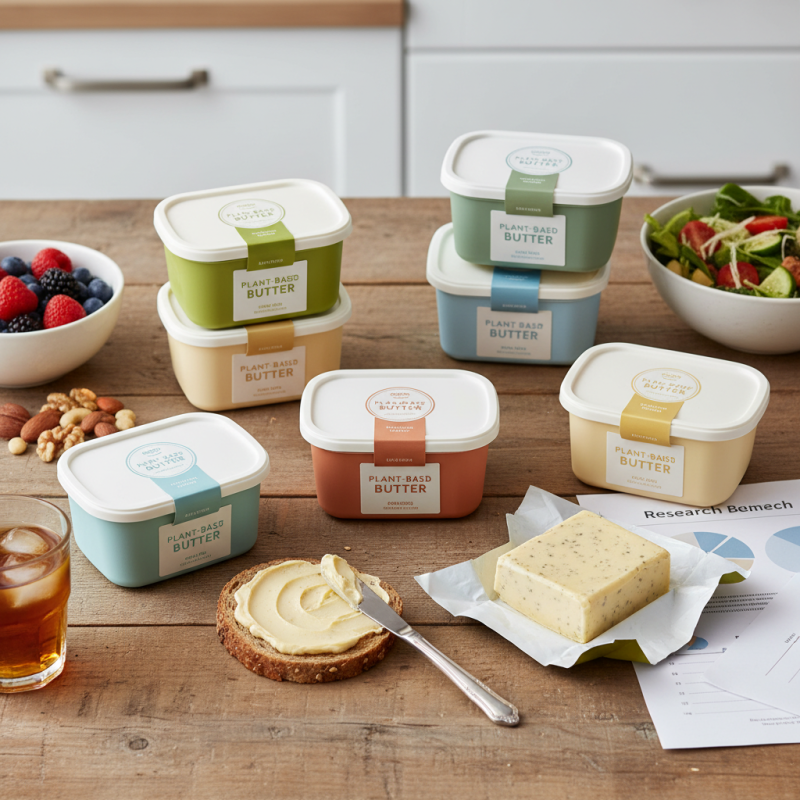
2026 Top Plant Butter Brands: An Overview
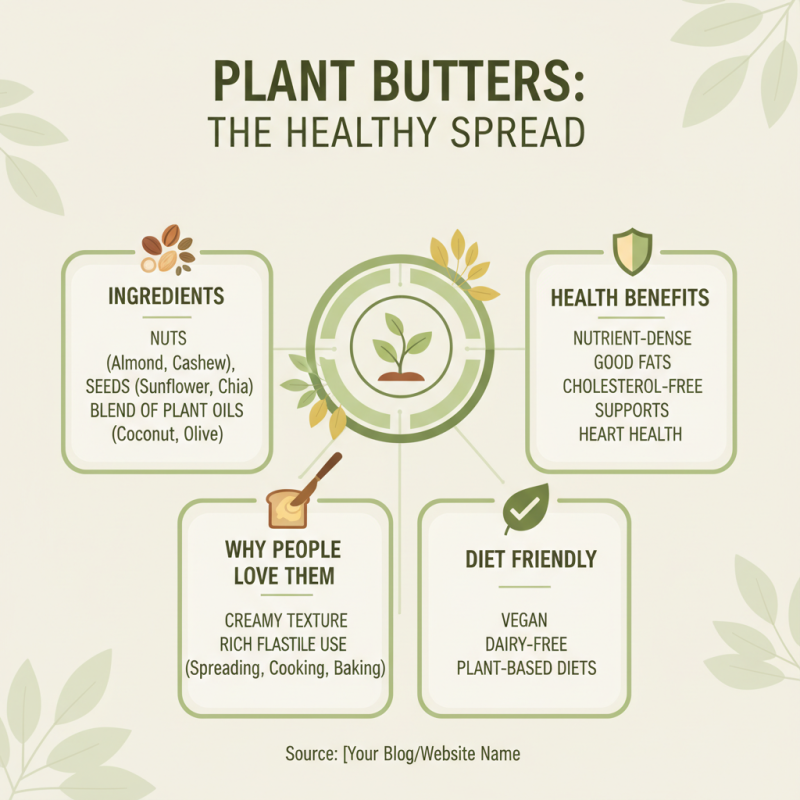
As plant-based diets gain popularity, plant butters have emerged as a healthy alternative to traditional spreads. They are often made from nuts, seeds, or a blend of plant oils. These ingredients provide a range of nutrients that can benefit overall health. Many people prefer them for their creamy texture and rich flavors.
When choosing a plant butter, it’s vital to consider the ingredients. Some options contain additives, which can undermine health benefits. A few brand offerings might also be high in sugars, affecting their overall nutritional value. Not every plant butter is created equal; this factor can leave consumers confused.
Exploring various brands can be enlightening. Some plant butters boast ingredients that promote heart health, while others focus on energy support. Yet, it’s essential to check for allergens or unwanted fillers. Balancing flavor with health aspects is often a challenge, and not all choices will meet individual needs.
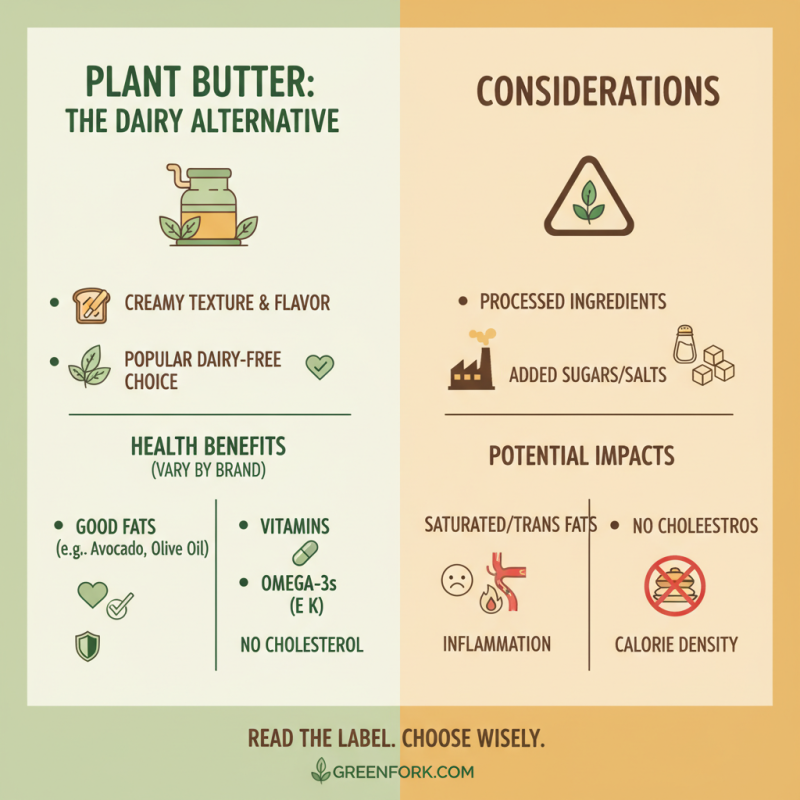
Nutritional Benefits of Plant-Based Butters Compared to Dairy
Plant-based butters are gaining popularity. They offer several nutritional benefits compared to traditional dairy products. Many plant-based options have lower saturated fat. This can be better for heart health. These spreads often contain essential vitamins and minerals from nuts, seeds, and legumes.
A significant advantage is the presence of healthy fats. These fats can support brain health and reduce inflammation. For those with lactose intolerance, plant butters are a great alternative. They can provide similar flavors without causing discomfort. Some options are rich in omega-3 fatty acids, beneficial for cardiovascular health.
**Tips**: Always check the ingredients. Some products may contain added sugars or unhealthy oils. Opt for those with minimal additives. Pairing plant butters with whole-grain bread or fruits can enhance their nutritional value. Consider exploring various flavors to keep your diet exciting. Not all products are equal; some may not meet your taste preferences. It’s okay to experiment until you find your favorite!
2026 Top Plant Butter Brands and Their Health Benefits
This chart illustrates the caloric content of various plant-based butters, highlighting their nutritional benefits. Each butter offers a unique set of health advantages, making them a great alternative to traditional dairy butters.
Key Ingredients in Leading Plant Butter Brands
Plant-based butter alternatives are becoming popular among health-conscious consumers. These spreads offer a range of health benefits attributed to their key ingredients. Leading brands often include avocado oil, coconut oil, and a mix of nut oils. These components provide healthy fats and can aid in heart health. According to a recent report by the Plant-Based Foods Association, plant-based options have seen a significant 27% growth in sales over the past year.
Nutritional composition varies across brands, but most offer fewer saturated fats compared to traditional dairy butter. For example, a typical serving of plant-based butter can provide essential vitamins, like E and D. Avocado oil is particularly rich in monounsaturated fats that may lower cholesterol levels. However, some products contain additives and preservatives that might not align with clean-label trends.
Consumers should be mindful of ingredient lists. While many plant butters are healthier, not all are created equal. Some contain added sugars or hydrogenated oils that negate health benefits. Transparency in sourcing and manufacturing is key. As more people seek plant-based diets, mindful choices will help maximize the advantages of these spreads, ensuring they complement a balanced lifestyle.
Health Impacts of Regular Plant Butter Consumption
Plant butter has gained popularity as a dairy alternative. Many people enjoy its creamy texture and flavors. However, regular consumption has significant health impacts. The benefits can vary based on the ingredients used in different brands.
One key benefit is the reduction in saturated fat intake. Many plant butters are made from nuts or oils. These sources provide healthy fats. They can support heart health. Omega-3 fatty acids found in some plant-based options are also beneficial. They help reduce inflammation and promote brain health.
Tips for incorporating plant butter into your diet:
1. Spread it on whole grain toast. Add sliced avocado for extra nutrients.
2. Use plant butter in cooking. It can add flavor without the cholesterol.
3. Experiment with different types. Not all plant butters are the same. Some may have added sugars or preservatives.
While plant butter offers advantages, it’s crucial to read labels. Some products can be heavily processed. They may contain unhealthy additives. Make mindful choices to maximize health benefits.
Environmental Considerations of Plant Butter Production
The production of plant butter has gained popularity in recent years, but it’s important to consider its environmental impact. Most plant-based butters are made from oils that require extensive agricultural practices. These practices can lead to deforestation, loss of biodiversity, and water depletion. For instance, palm oil, a common ingredient, is linked to significant habitat destruction.
Tips: Choose brands that source their oils sustainably. Look for certifications that ensure eco-friendly practices. Not all plant butters are created equally, so be aware of sourcing.
The carbon footprint of plant butter varies widely depending on the ingredients used. Some products may have a lower carbon impact, particularly those using local ingredients. However, the manufacturing process itself can be energy-intensive. Always read the labels and research.
Tips: Consider making your own plant butter at home. This way, you control the ingredients and reduce packaging waste. It's a simple way to enjoy a product while being mindful of the earth.
2026 Top Plant Butter Brands and Their Health Benefits - Environmental Considerations of Plant Butter Production
| Brand Type | Main Ingredients | Health Benefits | Environmental Impact |
|---|---|---|---|
| Coconut Butter | Coconut Oil, Coconut Milk | Rich in Medium-Chain Fatty Acids, Antioxidants | Low Carbon Footprint, Sustainable Farming Practices |
| Almond Butter | Almonds, Sea Salt | Rich in Vitamin E, Healthy Fats | Water Intensive Crop, Beekeeping Benefits for Biodiversity |
| Cashew Butter | Cashews, Coconut Oil | High in Minerals, Heart-Healthy | Lower Emissions, Shade-Grown Practices |
| Sunflower Butter | Sunflower Seeds, Coconut Oil | Rich in Vitamin E, Omega-6 Fatty Acids | Pesticide Resistant Crop, Low Water Usage |
| Soybean Butter | Soybeans, Salt | High Protein Content, Isoflavones | Controversial Farming Practices, GMO Concerns |