Top 10 Nut Bar Making Machines for Your Production Needs?
The demand for healthy snacks continues to rise, making the nut bar market highly competitive. To meet production needs, manufacturers must invest in reliable technology. "A quality Nut Bar Making Machine is essential for consistent production," says John Smith, a leading expert in food processing technology. His experience emphasizes the significance of choosing the right machinery.
Selecting a Nut Bar Making Machine involves understanding various factors. Efficiency, capacity, and durability are critical aspects. Small-scale producers may seek affordable models, while larger manufacturers require high-capacity machines. Each choice carries its own set of challenges.
Investing in the right Nut Bar Making Machine can significantly impact production quality and efficiency. However, it’s important to analyze your specific requirements carefully. The market offers various options, but not all machines will suit your needs. Considerable thought should be given to long-term operational costs and maintenance. As manufacturers explore their options, reflection on goals is vital.
Overview of Nut Bar Production Techniques
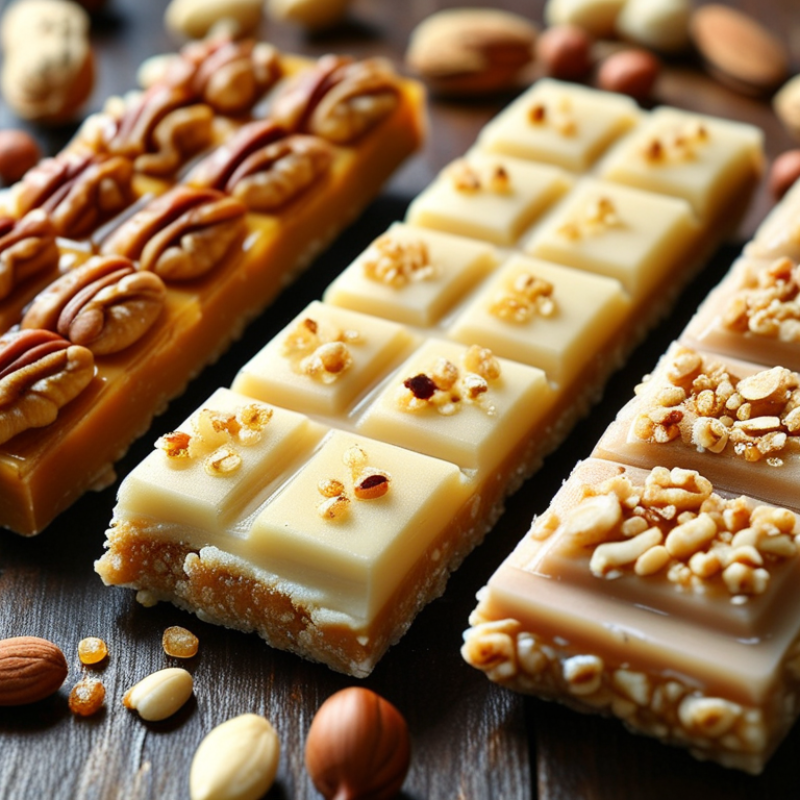
Nut bar production can be a complex process, requiring specific techniques and equipment. Key steps involve selecting high-quality nuts, binding agents, and flavors. Precision in measurements is essential to achieve the desired texture and taste. A well-balanced recipe ensures that each bar is both nutritious and appealing.
Tips: Always conduct small scale tests before large production runs. This will help identify potential issues early. Adjustments in ingredient ratios can lead to significant improvements.
The mixing process plays a crucial role in nut bar making. It is vital to evenly distribute all ingredients. Avoid over-mixing, as this can lead to a tough texture. A good balance between dry and wet ingredients promotes better adhesion.
Tips: Monitor the mixing time closely. Take sample batches for quality control. Small adjustments can lead to better tasting bars.
Once mixed, the pressing stage requires careful attention. The mixture should be pressed into molds uniformly. Adequate pressure ensures that the bars hold their shape once cut. Imperfections in this stage can result in breaks and crumbles that affect product appearance.
Tips: Test various pressure levels to find the perfect balance. Regular monitoring can save time and resources in the long run.

Key Features of Nut Bar Making Machines
Nut bar making machines are essential for efficient large-scale production. Their key features ensure a high-quality output and streamline the manufacturing process. Most machines come equipped with adjustable settings for temperature and mixing time. This flexibility allows manufacturers to customize recipes easily.
Another crucial aspect is the machine's capacity. Many models can produce various sizes and shapes of nut bars. This versatility is vital for attracting different market segments. Additionally, the construction of these machines usually emphasizes durability and easy maintenance. A well-built machine results in less downtime and reduced costs in the long run.
Automation technology is another noticeable feature. Some machines offer semi-automatic or fully automatic options. These features improve production speed and reduce labor costs. However, operators must receive adequate training. A lack of experience can lead to mistakes and waste. Balancing technology with human supervision remains a challenge in this industry.
Criteria for Choosing the Right Nut Bar Machine
When selecting the right nut bar making machine, several key criteria must guide your decision. The production capacity is paramount. A machine tailored to your specific output needs ensures efficiency in production. Assess the volume of nut bars you aim to produce daily. This helps in identifying a machine that aligns with your operational goals.
Material quality is another critical aspect. Machines made of durable, food-grade materials enhance reliability and safety. Evaluate the ease of cleaning and maintenance. Machines with simple designs allow for quick sanitation, which is crucial in food production. Additionally, energy efficiency is worth considering. Machines that consume less power can significantly reduce operational costs over time.
User-friendliness is often overlooked but should not be. A machine that's difficult to operate may hinder production flow. Seek machines with intuitive controls. Lastly, consider the availability of technical support. Equipment breakdowns can be costly. Having reliable support ensures minimal downtime. Reflect on these factors before making your final decision.
Top 10 Nut Bar Making Machines in the Market
The market for nut bar making machines is expanding rapidly. According to a recent industry report, the global snack bar market is projected to reach $22 billion by 2026. This growth is partly driven by the increasing demand for healthy snacks. Nut bars are popular due to their energy-boosting properties and natural ingredients.
When selecting a nut bar making machine, consider production capacity and versatility. Some machines can produce different sizes and shapes to accommodate various consumer preferences. Features like automatic cutting and mixed ingredient systems can enhance efficiency. Surprisingly, many manufacturers overlook the importance of machine hygiene. Regular maintenance is essential to meet food safety standards.
The right machine can significantly impact production efficiency. Efficient machines reduce waste and improve output consistency. The wrong choice can lead to increased downtime and operational challenges. In a competitive market, it’s vital to choose a machine that aligns with your production goals. Exploration and research into the latest technologies are crucial for staying ahead.
Benefits of Automating Nut Bar Production
Automating nut bar production offers significant advantages. Research indicates that manufacturers can increase production efficiency by up to 40% with automated systems. This increase stems from reducing manual labor and minimizing product variability. Manual processes, while familiar, often result in inconsistencies. Automation ensures each nut bar is uniform in quality and appearance, leading to higher consumer satisfaction.
Additionally, automated machines can operate continuously, reducing downtime. A recent industry report noted that minimizing idle time can lead to over 30% more output in a standard production day. This consistent output allows for better inventory management. However, implementing these systems requires initial investments and training. Companies may struggle if their workforce lacks experience with new technologies.
Moreover, automated systems often come equipped with monitoring tools. These tools provide real-time data on production metrics. Businesses may find it challenging to adapt to this data-driven approach. However, fostering a culture that embraces technology can enhance decision-making. Investing in staff training is critical to overcoming resistance. Balancing automation with skilled labor creates a more resilient production environment.
Top 10 Nut Bar Making Machines for Your Production Needs
| Machine Model | Production Capacity (bars/hour) | Power Consumption (kW) | Weight (kg) | Dimensions (L x W x H in mm) | Key Features |
|---|---|---|---|---|---|
| Model A | 600 | 10 | 150 | 2000 x 800 x 1200 | Automatic feeder, adjustable speed |
| Model B | 750 | 12 | 180 | 2100 x 850 x 1350 | Energy efficient, user-friendly interface |
| Model C | 500 | 8 | 120 | 1900 x 750 x 1100 | Compact design, easy maintenance |
| Model D | 900 | 15 | 200 | 2200 x 900 x 1400 | High output, multi-functional |
| Model E | 650 | 11 | 160 | 2050 x 820 x 1300 | Integrated cooling system, safety features |
| Model F | 700 | 13 | 175 | 2150 x 870 x 1250 | Smart controls, high efficiency |
| Model G | 850 | 14 | 190 | 2250 x 940 x 1450 | Versatile configurations, durable materials |
| Model H | 500 | 9 | 120 | 1950 x 780 x 1150 | Affordable option, reliable performance |
| Model I | 900 | 16 | 210 | 2300 x 920 x 1500 | State-of-the-art technology, minimal downtime |
| Model J | 750 | 12.5 | 185 | 2200 x 800 x 1350 | High reliability, low maintenance costs |
