10 Tips for Choosing the Best Grass Fed Butter for Your Diet
When it comes to incorporating grass fed butter into your diet, making an informed choice is crucial. Grass fed butter is known for its higher nutritional value compared to conventional butter. A study by the Journal of Dairy Science found that grass fed butter contains up to 500% more vitamin A and 300% more omega-3 fatty acids. These nutrients are essential for maintaining a healthy immune system and promoting heart health.
Yet, the market for grass fed butter can be confusing. Not all products labeled as grass fed are created equal. Variations in farming practices lead to differences in quality and taste. According to a survey by the American Society of Nutrition, many consumers struggle to identify the best options amidst misleading labels. It's critical to seek out reputable brands that prioritize animal welfare and sustainable practices.
As you navigate your choices, consider the various factors that can affect the quality of grass fed butter. Ingredients, sourcing, and production methods all play significant roles. Aim for products that are minimally processed to fully enjoy the health benefits. Making mindful decisions can lead to improved health outcomes and greater dietary satisfaction.

Understanding the Benefits of Grass Fed Butter for Your Health
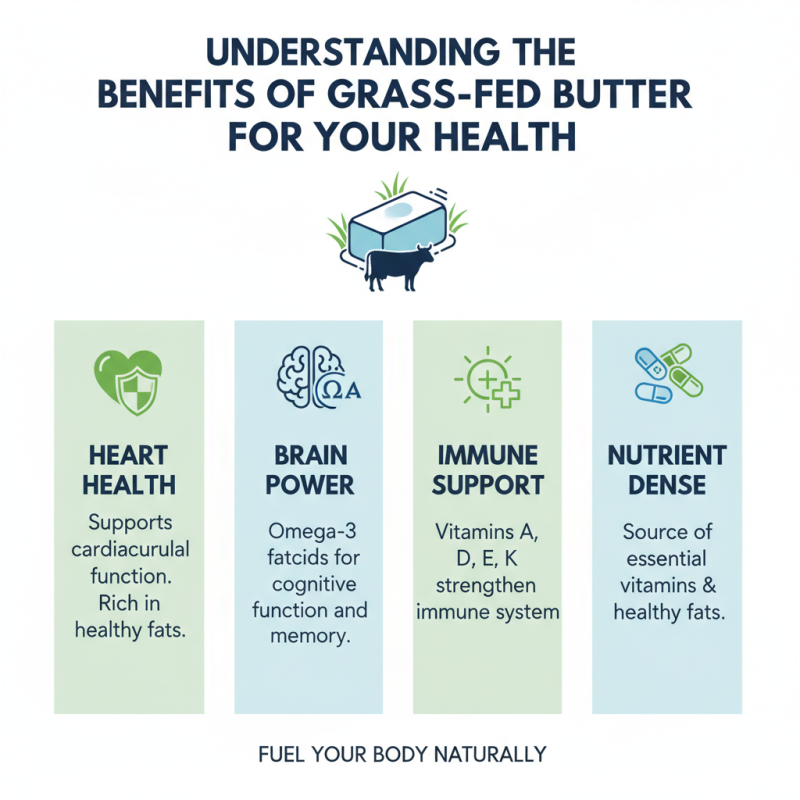
Grass-fed butter is gaining attention for its numerous health benefits. It is rich in healthy fats and contains vitamins like A, D, E, and K. These nutrients are vital for overall health. Consuming grass-fed butter can support heart health and improve immune function. The omega-3 fatty acids found in it can also promote brain health.
When choosing grass-fed butter, consider sourcing. Look for products from farms that prioritize grass-fed practices. The animal's diet directly influences the quality of the butter. Checking for certifications can ensure you're getting genuine grass-fed butter. Always inspect the ingredient list. Some brands may add fillers that dilute the butter's nutritional value.
Pay attention to storage. Grass-fed butter has a longer shelf life when kept in a cool, dark place. It can be frozen too. This flexibility allows you to maintain its freshness while enjoying its health benefits. Lastly, remember that moderation is key. While grass-fed butter is nutritious, it is still high in calories. Balancing its intake within a healthy diet is essential for optimal health.
Identifying High-Quality Grass Fed Butter: Key Labels to Look For
When selecting high-quality grass-fed butter, it’s essential to look for specific labels. Certification from reputable organizations is a good start. Grass-fed butter should ideally be certified by the American Grassfed Association or a similar body. This ensures that the cows were raised on grass pastures, which impacts the nutritional profile of the butter.
Pay attention to the fatty acid composition. Grass-fed butter typically has higher levels of omega-3 fatty acids and conjugated linoleic acid (CLA). A study published in the "Journal of Dairy Science" found that grass-fed dairy can provide 5 times more CLA compared to conventional milk. This translates to butter that not only tastes richer but also supports better health.
Look for the color as well. High-quality grass-fed butter often has a vibrant yellow hue due to beta-carotene from grass. Another tip is to check the ingredient list. Top-quality options should contain minimal ingredients—ideally just cream and salt. Be cautious of brands marketing themselves as “natural” without clear grass-fed certification. The mixed messaging can make choosing the best option challenging, but knowing what to focus on can simplify the process.
While finding the perfect butter can feel overwhelming, focusing on these labels and details will make the journey smoother. Read labels carefully and question vague claims. The pursuit of the best grass-fed butter is worthwhile for both flavor and nutritional benefits.
Comparing Grass Fed Butter with Conventional Butter: Nutritional Differences
Grass-fed butter differs significantly from conventional butter in terms of nutritional content. Grass-fed cows consume a more natural diet, rich in grasses and forage. This results in butter with higher omega-3 fatty acids and vitamin K2. These components support heart health and improve bone strength. Conventional butter, sourced from grain-fed cows, generally contains fewer nutrients. This can affect overall health and wellness.
Moreover, the flavor and color of grass-fed butter are often distinct. It tends to have a richer, creamier taste. The vibrant yellow color indicates a higher beta-carotene level, which is beneficial for vision and immune function. However, not all grass-fed butter is equal. Variations exist based on the cow's diet, the farm's practices, and processing methods. It is crucial for consumers to research these factors before making a choice.
As you navigate through options, keep in mind that not every product labeled as grass-fed meets the highest standards. Some may still contain additives or be processed in ways that diminish their health benefits. This is a reminder to scrutinize labels and opt for high-quality sources. By making informed decisions, you can ensure that your choice aligns with your dietary goals.
Importance of Sourcing: Where to Buy Grass Fed Butter Safely
When sourcing grass-fed butter, consider the reputation of the supplier. High-quality options often come from farms with transparent practices. Look for those that publish their sourcing methods. This transparency helps ensure you're buying genuine grass-fed products.
It's essential to understand the importance of proper labeling. Grass-fed doesn’t always mean organic. Some products may be labeled misleadingly. Scrutinize the packaging for certifications that validate grass-feeding. Familiarize yourself with these terms for better choices.
Tip: Always check for quality certifications. Certifications can be your best ally in the butter aisle. They help ensure the product meets specific standards of purity and nutrition.
Another tip is to consider local vendors. Farmers' markets can be treasure troves for fresh, authentic grass-fed butter, often sourced sustainably. Building relationships with local farmers can provide reassurance about the source. You might find various options that larger supermarkets do not offer. However, always ask questions. It’s important to know where your food comes from.
Cooking and Storing Tips for Maximizing Grass Fed Butter's Shelf Life
When you incorporate grass-fed butter into your diet, proper cooking and storage practices are essential. Grass-fed butter has a higher concentration of vitamins and healthy fats compared to conventional butter. According to the USDA, it contains up to 5 times more Omega-3 fatty acids, making it a valuable addition to meals. To maintain its quality, store butter in an airtight container in the refrigerator. This simple step can extend its shelf life to several months, helping you reduce waste.
Freezing grass-fed butter can also be beneficial. Wrap it tightly in foil or plastic wrap before placing it in the freezer. Maintaining the right temperatures is vital. Experts suggest that the ideal freezing temperature is around -18°C (0°F). This prevents freezer burn, preserving the butter’s rich flavor and nutritional benefits. However, remember that thawed butter may change in texture. Using it in cooked dishes can hide these changes while still delivering the health benefits.
It's important to check for freshness regularly. Spoiled butter will have an off smell or unusual color. Always rely on your senses; if it doesn't look or smell right, it's best to err on the side of caution. These tips not only enhance your cooking experience but ensure you enjoy the full benefits of grass-fed butter.
Related Posts
-
How to Choose the Best Dairy Supplies for Your Needs?
-

How to Choose the Best Lactose Free Food for Your Diet?
-
Order Milk at the 139th Canton Fair for Global Sourcing?
-
10 Essential Tips for Choosing the Best Dairy Free Butter Options?
-

Top 10 Ways to Enjoy Fresh Milk in Your Daily Diet?
-

Ultimate Guide to Bulk Butter Storage Tips for Freshness and Flavor