How to Source High Quality Grass Fed Raw Milk Globally?
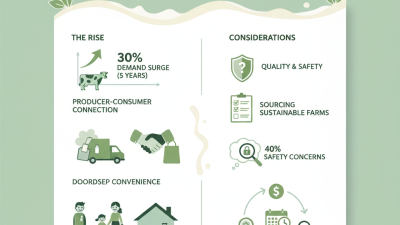
Sourcing high quality grass fed raw milk on a global scale presents unique challenges and opportunities. According to a market research report by Allied Market Research, the demand for grass fed milk products is expected to grow significantly, with a projected annual growth rate of 10% over the next five years. This surge is driven by increasing consumer awareness of health benefits and environmental sustainability.
Dr. Sarah Thompson, a leading expert in dairy nutrition, emphasizes the importance of sourcing, stating, "Quality sourcing of grass fed raw milk ensures not only superior nutrition but also promotes ethical farming practices." Such insights highlight the significance of transparency and traceability in the sourcing process. However, achieving these standards is difficult. Factors like regional farming practices and regulatory compliance vary widely across markets.
Furthermore, ensuring the quality of grass fed raw milk involves close relationships with farmers. Continuous education on best practices is essential, yet it remains a work in progress. Farmers may struggle with implementing sustainable methods due to financial constraints or lack of resources. The pursuit of quality raw milk is ongoing, reflecting both the complexity and potential of this vital industry.
Understanding the Benefits of Grass Fed Raw Milk for Health and Nutrition
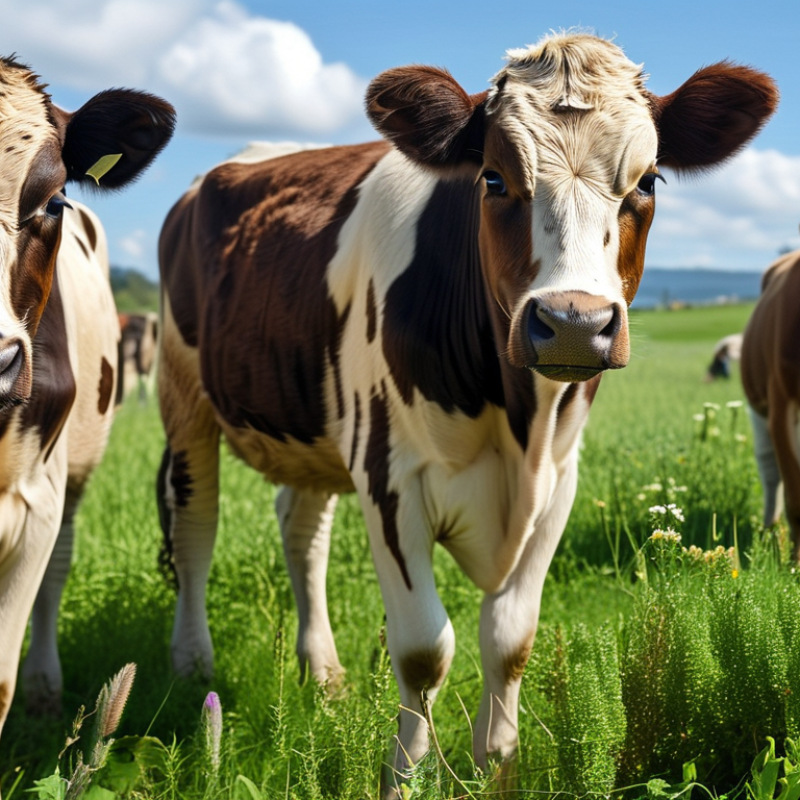
Grass-fed raw milk offers numerous health benefits that deserve attention. This type of milk is rich in healthy fats, vitamins, and minerals. It contains higher levels of Omega-3 fatty acids and vitamin E compared to conventional milk. These nutrients can contribute to heart health and improve overall wellness.
Many people notice improvements in digestion after consuming grass-fed raw milk. The natural enzymes present can aid in breaking down lactose. However, individual responses can vary. Some may experience discomfort or sensitivity. It's essential to listen to your body and consult with a healthcare professional if needed.
Grass-fed raw milk also boasts a superior taste. The milk has a creamy texture and a rich flavor that many find appealing. Despite these advantages, sourcing high-quality options can be challenging. Factors such as farming practices, animal health, and feed quality all play a role. Researching local farms can lead to reliable sources. Additionally, keep in mind the environmental impact of dairy farming when making choices.
How to Source High Quality Grass Fed Raw Milk Globally? - Understanding the Benefits of Grass Fed Raw Milk for Health and Nutrition
| Country | Organic Certification | Grass Fed Standards | Nutritional Benefits (per 100ml) | Average Price (USD) |
|---|---|---|---|---|
| USA | USDA Organic | Certifies pasture access | 4.0g Protein, 3.5g Fat, 0.8g Omega-3 | 5.00 |
| New Zealand | BioGro Certified | 100% grass-fed | 3.8g Protein, 3.3g Fat, 0.9g Omega-3 | 5.50 |
| Australia | Australian Certified Organic | Pasture-based feeding | 4.2g Protein, 3.7g Fat, 1.0g Omega-3 | 5.75 |
| Canada | Canada Organic | Pasture-raised | 4.0g Protein, 3.6g Fat, 0.7g Omega-3 | 5.25 |
| UK | Soil Association | Pasture-fed | 3.9g Protein, 3.4g Fat, 0.6g Omega-3 | 5.10 |
Identifying Reliable Sources for Grass Fed Raw Milk Around the World
Finding reliable sources for high quality grass fed raw milk globally requires diligence. Many consumers seek this product due to its health benefits. Grass fed raw milk generally contains more omega-3 fatty acids and vitamins compared to conventional milk. According to data from the Journal of Dairy Science, the nutritional profile of grass fed milk significantly differs, making it a sought-after choice.
When sourcing grass fed raw milk, consider local farming practices. Some regions prioritize sustainable grazing methods. Research has shown that farmers who practice rotational grazing produce higher quality milk. Additionally, ensure that the farms maintain high hygiene standards to prevent contamination. Relying on certifications from respected organizations can further guarantee quality and safety.
Tips: Visit farms whenever possible. Meeting farmers in person can build trust. Look for testimonials online from other consumers. Engaging with local food communities may also reveal hidden gems. Gather information on testing protocols for raw milk to ensure safety. Having a knowledgeable network can help in identifying the best sources. Remember, not all sources are created equal. Always reflect on the quality and origin of the milk you purchase.
Evaluating Quality Standards and Certifications for Raw Milk Products
When sourcing high-quality grass-fed raw milk globally, understanding quality standards is crucial.
Various certifications exist to ensure safety and quality. Look for organic certifications, which signify
that the milk is produced without synthetic fertilizers and pesticides. These standards often reflect
good farming practices. Yet, remember that not all certifications mean the same. Some local standards
may lack rigor.
A certified raw milk supplier should also meet hygiene benchmarks. This includes regular testing for
pathogens and contaminants. Transparency in testing and production practices is essential. Asking for
detailed reports can reveal a lot about the farm's commitment to quality.
Not all grass-fed claims are backed by strict regulations. Some may offer limited information on
feeding practices or animal welfare. It's vital to research and seek farms that prioritize ethical
treatment and sustainable practices. Adopting a critical approach helps in finding reliable sources.
Always balance your choices with a thorough investigation of both local regulations and farmer practices.
Navigating Legal Regulations for Importing Grass Fed Raw Milk
Navigating the legal landscape of importing grass-fed raw milk can be challenging. Each country has its own regulations. For instance, the European Union has stringent health and safety standards. According to a 2022 report by the International Dairy Federation, compliance with these regulations is crucial for global trade. Failure to adhere can result in product denial at customs or legal consequences.
Understanding local laws is vital. Some regions may require specific certifications for grass-fed milk. Researching suppliers and their certifications ensures you are sourcing high-quality products. In the U.S., the FDA oversees raw milk regulations. It’s important to recognize that not all states allow raw milk sales. Always verify the legal status before making import decisions.
Consider these factors: Know your destination country’s import limits and health standards. Engage legal experts familiar with dairy regulations. This can save you from legal hurdles. Be prepared for inspections and documentation audits as part of the process. Continuous education on industry changes is necessary to stay compliant. Understanding these complexities can lead to better sourcing strategies and high-quality products, meeting consumer demand while maintaining legal integrity.
Building Relationships with Local Farmers and Producers for Sustainable Sourcing
Building relationships with local farmers and producers is vital for sourcing high-quality grass-fed raw milk. A 2021 report by the Food and Agriculture Organization (FAO) emphasized that developing strong partnerships encourages sustainable practices. Working closely with farmers not only ensures consistent quality but also promotes ethical farming methods that benefit animal welfare.
Effective communication is key in these relationships. Frequent visits to local farms can forge trust and transparency. Farmers will often share their challenges, such as fluctuating feed prices or climate issues. Understanding these factors can help producers adjust their sourcing strategies accordingly. For instance, a study revealed that local sourcing can reduce carbon footprints by up to 30%. Yet, relying solely on local sources can be risky. Seasonal variations and production limits might disrupt supply chains.
Evaluation of farming practices is crucial too. Engaging with farmers about their grazing techniques provides insights into the nutritional value of the milk. A 2022 study found that grass-fed milk contains higher omega-3 fatty acids. However, not all farmers adhere to the same standards. It's essential to recognize that each farm has unique practices. Regular assessments can help identify areas for improvement and innovation, ensuring that sourcing remains sustainable and efficient.
Related Posts
-
10 Best Raw Milk Delivery Services You Should Try?
-
How to Choose the Best Cow Milk for Your Health and Lifestyle Needs
-
What is European Butter and Why is it Different from Other Butters?
-
2026 Top Benefits of Grass Fed Butter for Your Health and Diet?
-
10 Essential Tips for Choosing the Best Dairy Free Butter Options?
-
Why Choose Real Milk for Your Business Needs?