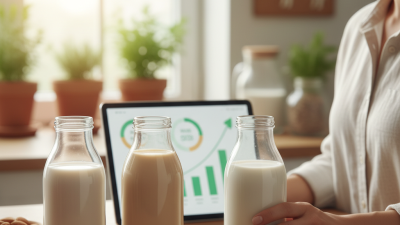
How to Order Milk Online for Global Buyers?
In today’s digital age, the convenience of online shopping extends to everyday essentials like milk. For global buyers, ordering milk can seem daunting due to various options and regulations. Understanding how to effectively order milk online is crucial for ensuring quality and freshness.
Navigating the online market requires knowledge of local suppliers and their reputation. Reliable platforms often provide user reviews. These insights can guide buyers towards trustworthy sources. It's important to consider the logistics of shipping, as dairy products need careful handling.
Additionally, awareness of nutritional options is vital. Different brands may offer varying types of milk, such as organic or lactose-free. This variety can cater to specific dietary needs. However, buyers should reflect on their choices to avoid impulse orders. A thoughtful approach can lead to a more satisfying purchase experience when you order milk online.
Understanding the Global Milk Market: Trends and Opportunities
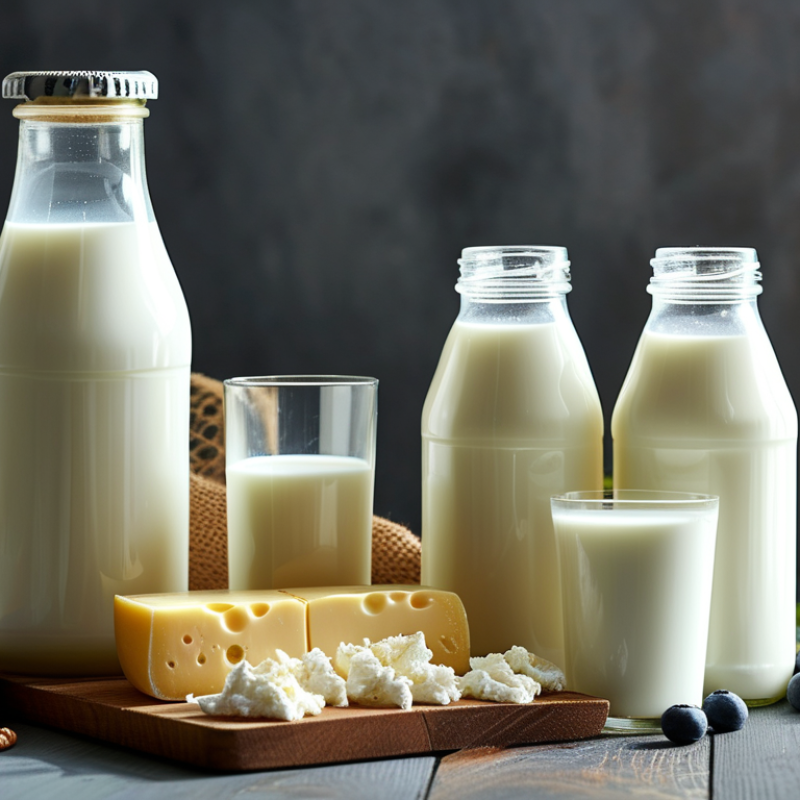
The global milk market is experiencing significant growth, driven by evolving consumer preferences. Health-conscious trends are emerging, with many buyers seeking organic and lactose-free options. Dairy alternatives are also gaining traction. This change reflects a shift in dietary habits worldwide. Consumers are paying more attention to nutritional value and sourcing.
Opportunities abound for international buyers. Countries rich in dairy production can provide high-quality milk and related products. However, logistics and regulatory barriers can complicate purchasing. It is essential to consider the freshness of the product. Long supply chains can affect taste and quality. Understanding local market regulations can help buyers navigate these challenges.
Buyers need to conduct thorough research. Building relationships with reliable suppliers is crucial. A trustworthy source can provide insights into market trends and consumer demands. Transparent communication with suppliers fosters a better understanding of product quality. Paying attention to local market dynamics can yield valuable information.
Choosing the Right Online Retailers for Milk Purchases
When selecting the right online retailers for milk purchases, you must consider various factors. The rise of e-commerce has dramatically changed how consumers buy dairy products. Data from industry reports shows that online grocery sales have surged. In fact, according to recent statistics, over 45% of consumers now purchase groceries online compared to just 30% two years ago. This shift offers buyers access to a wider variety of milk products.
Not all retailers are created equal. Some platforms might prioritize speed over quality. Others may lack transparency about sourcing and nutritional information. You might find that certain websites offer organic or local options, while others focus on price. It’s crucial to assess customer reviews and ratings. Analysis shows that 72% of consumers rely on online reviews before making a purchase. You should also verify if the retailer meets food safety standards.
Consider the delivery options as well. Some retailers might deliver quickly, but at a higher cost. Others could provide free shipping but take longer. This can affect the freshness of perishable products like milk. Reflect on what matters most to you—cost, speed, or quality. Each choice has trade-offs. The ideal retailer should align with your preferences and values while ensuring you receive high-quality milk.
Navigating Shipping and Delivery Options for Milk Orders
Ordering milk online can be intricate, especially for global buyers. Understanding your shipping and delivery options is crucial. Transportation of perishable items like milk raises unique challenges. According to a recent industry report, nearly 25% of dairy products delivered globally face spoilage issues. This statistic emphasizes the importance of choosing reliable carriers who specialize in temperature-controlled logistics.
When placing an order, consider the shipping times and logistics. Some countries have established networks for dairy transportation. Yet, delays often occur at customs. A study indicated that around 30% of international dairy shipments experience customs-related delays. For fresh milk, this can significantly affect quality. Explore options for express shipping or local sourcing to mitigate risks.
Furthermore, look into packaging standards. Proper insulation and refrigeration are vital for maintaining milk's integrity during transit. Many suppliers are still figuring out how to improve these aspects. A report highlighted that only 40% of global dairy suppliers utilize advanced packaging technology. As a buyer, awareness of these factors can guide you in making informed choices.
Global Milk Ordering Statistics
Payment Methods and Currency Considerations for Global Buyers
When ordering milk online, global buyers face unique challenges. Understanding payment methods is crucial. Credit and debit cards are common, but not all platforms accept them. Some countries prefer local payment services or e-wallets. Researching what is widely used in your target market can simplify transactions.
Currency considerations are equally important. Forex rates fluctuate constantly, affecting final costs. Buyers should check real-time exchange rates to avoid surprises. Some vendors may charge currency conversion fees. It’s wise to read reviews about their practices to ensure transparency.
Lastly, remember that not all payment systems are secure. It’s essential to look for sites that prioritize buyer safety. Delays and issues may arise due to discrepancies in payment processing. Reflecting on your experiences can help; what worked well? What didn’t? Learning from each transaction can improve future purchases.
Ensuring Quality and Freshness When Ordering Milk Online
Ordering milk online can be convenient, but ensuring quality and freshness is crucial. When choosing a supplier, examine their reputation. Look for reviews and feedback from other buyers. Trustworthy vendors often showcase their sourcing and processing methods transparently. This helps establish credibility.
Packaging plays a significant role in maintaining milk freshness. Airtight containers and insulated delivery methods can help prolong shelf life. Pay attention to the delivery timeframe. Fresh milk should ideally arrive within a few days of production. Consider selecting suppliers who prioritize quick shipping.
Despite precautions, challenges may arise. Some may receive milk that feels a bit less fresh than expected. This could stem from various factors, including storage conditions during transit. It's helpful to familiarize yourself with your supplier’s return policies. Knowing how to address issues can improve future orders. Be proactive in seeking quality, and don’t hesitate to ask suppliers questions about their processes.
How to Order Milk Online for Global Buyers? - Ensuring Quality and Freshness When Ordering Milk Online
| Item | Description | Quantity | Price (USD) | Quality Indicator |
|---|---|---|---|---|
| Whole Milk | Fresh whole cow's milk | 1 Liter | 2.50 | High |
| Skim Milk | Low-fat milk with reduced fat content | 1 Liter | 2.30 | Medium |
| Almond Milk | Dairy-free milk alternative | 1 Liter | 3.20 | High |
| Soy Milk | Rich in protein, dairy-free option | 1 Liter | 3.00 | Medium |
| Oat Milk | Creamy texture, plant-based option | 1 Liter | 3.50 | High |
Related Posts
-
What is the Best Daily Milk to Drink in 2026?
-

Best Ways to Order Milk Online for Global Buyers?
-
What is the Best Way to Order Milk Online?
-
China Top Farm Milk Brands and Their Unique Features?
-
Why Choose Real Milk for Your Business Needs?
-
What is European Butter and Why is it Different from Other Butters?