2026 How to Choose the Best Farm Milk for Your Family
Choosing the right farm milk for your family is crucial. With the growing awareness of nutrition, parents are more discerning than ever. Data from the Dairy Farmers of America shows that organic milk sales have increased by 20% in the past three years. This shift highlights the importance of selecting high-quality farm milk.
Experts emphasize understanding where your milk comes from. Dr. Robert H. Smith, a prominent dairy industry specialist, states, "The source of your milk matters as much as its nutritional value." Consumers are now more aware of the differences in milk types. Pasteurized, raw, organic—each has unique characteristics.
Moreover, it's essential to consider ethical and environmental factors. Many families are questioning whether farm practices are sustainable. While organic may often imply better farming methods, it's not universally true. Conducting thorough research is necessary. As parents, we must navigate this complex landscape to find the best farm milk for our loved ones.

Understanding Different Types of Farm Milk Available for Purchase
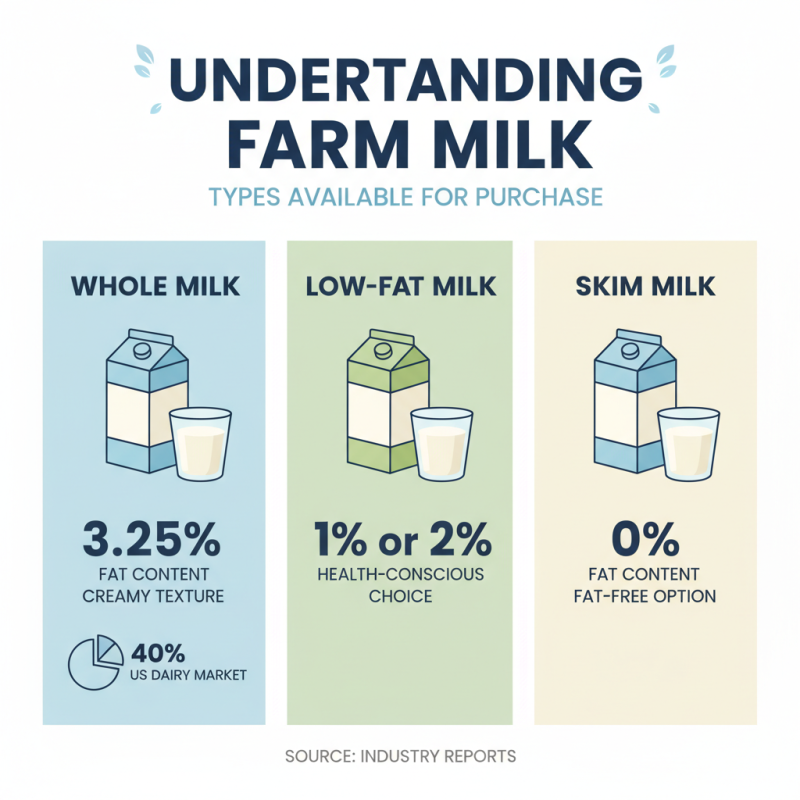
When choosing farm milk for your family, it’s essential to understand the types available. There are various kinds of milk, including whole, low-fat, and skim. According to industry reports, whole milk makes up about 40% of the U.S. dairy market. It contains around 3.25% fat, which offers a creamy texture. Low-fat milk contains 1% or 2% fat and may appeal to health-conscious families.
Organic farm milk is another option. It’s produced without antibiotics or synthetic hormones. A recent study highlighted that organic milk often contains higher omega-3 fatty acids. Some families prefer non-homogenized milk for its richer flavors. However, non-homogenized milk may separate, requiring a good shake before serving.
Tips: Always check the labels. Look for certifications and freshness dates. Also, consider the source of the milk. Local farms may provide fresher options. Lastly, think about dietary needs. Children often prefer whole milk, but adults might choose reduced fat. Reflect on what works best for your family’s lifestyle.
Evaluating Nutritional Content in Farm Milk Products
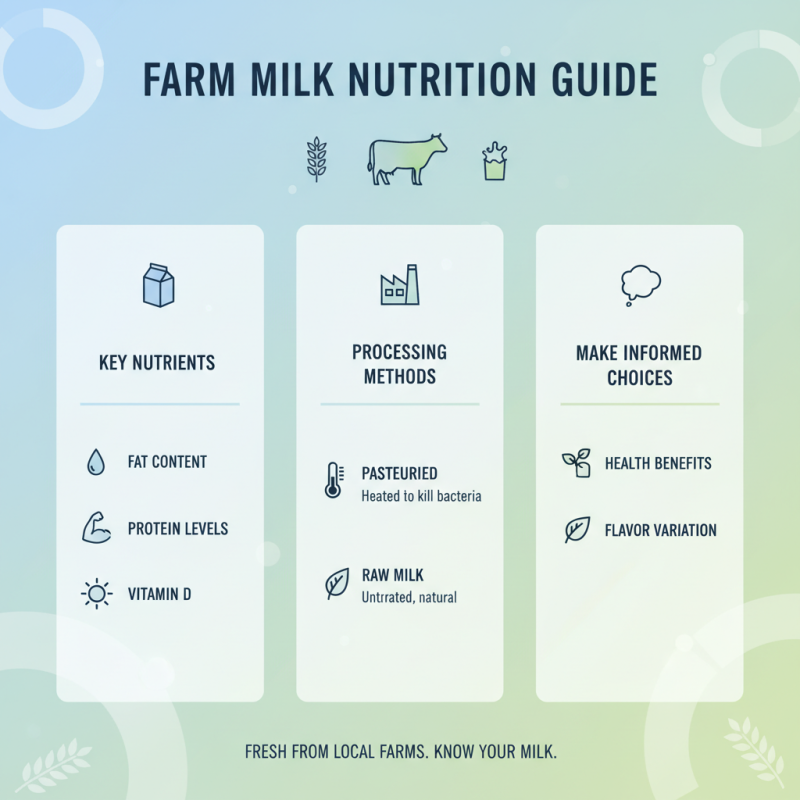
When selecting the right farm milk for your family, evaluating nutritional content is crucial. Fresh from local farms, milk can vary in taste and nutrition. Pay attention to fat content, protein levels, and vitamin D. These factors influence both health and flavor. Suppliers often have different methods of processing. Some use pasteurization, while others may offer raw milk. Understanding these processes helps you make better choices.
Tips: Look for local farms that provide nutritional information. Ask farmers about their feeding practices. This can impact the milk's quality and nutrient profile. Be wary of overly processed milk. These products may lack essential vitamins.
Consider if your family has dietary restrictions. Lactose intolerance may affect milk choices. Explore alternatives like lactose-free milk or fortified plant-based options. Check labels for additives. These can alter the nutritional value. Sometimes, less is more. Choosing simple, wholesome products might benefit you more in the long run.
Considerations for Organic vs. Conventional Farm Milk
When choosing milk for your family, organic and conventional options each have unique benefits. Organic milk often comes from cows that are raised without antibiotics or synthetic hormones. A report by the Organic Trade Association reveals that the organic dairy market has seen a 20% growth in recent years. This trend highlights a growing preference for organic products among health-conscious consumers.
However, organic does come at a premium price. For many families, this cost can be a decisive factor. Conventional milk, on the other hand, tends to be more affordable. Research indicates that consumers can save an average of 30% when opting for conventional over organic. Yet, there's some concern about the use of antibiotics in conventional dairy farming. Some studies suggest residues can end up in the milk.
The nutritional differences are also worth noting. While both types provide essential nutrients like calcium and vitamin D, organic milk often boasts higher levels of omega-3 fatty acids and antioxidants. Even so, some experts argue that the difference may not be significant enough to justify the cost. Parents should weigh these factors carefully when making their choice.
Assessing Local Farms: Quality, Practices, and Sustainability
Choosing the right farm milk for your family involves careful assessment of local farms. When visiting, observe the overall cleanliness of the facilities. Look for farms that prioritize hygiene. Cows should have plenty of space, clean bedding, and access to fresh air. It’s essential to see how the animals are treated. Happy cows often produce better milk.
Discuss farming practices with the farmers. Many are open about their methods and philosophies. Ask about their feeding routines and whether they use antibiotics or hormones. Sustainable practices go a long way. Some farms may not mention their sustainability efforts, but it’s worth probing. Ensure they recycle water and manage waste properly; these are crucial indicators of responsible farming.
While evaluating these aspects, reflect on your own family’s values. Are you more concerned about organic practices or supporting local economies? It’s okay to be uncertain. Each choice has its pros and cons. Sometimes, you'll find a farm that aligns with some of your values but not all. This is part of the process. Transparency from farmers can help bridge the gap between your concerns and their practices.
2026 How to Choose the Best Farm Milk for Your Family
This chart illustrates the key attributes to consider when assessing local farms for milk quality, practices, and sustainability. The data depicts the average ratings of various local farms based on the criteria of taste, freshness, organic practices, and environmental sustainability.
Analyzing Labels: What to Look for When Choosing Farm Milk
When choosing farm milk, reading labels is crucial. Look for key information. The first thing to check is the milk’s fat content. Whole, 2%, and skim options have different nutritional benefits. Picking the right fat level can affect your family’s health. Not all fat is bad; some are essential for growth.
Next, consider the ingredient list. The best farm milk could have fewer additives. Sometimes, better quality comes from simpler ingredients. Watch out for added sugars or artificial flavors. These can lessen the health benefits. Also, look for certifications on the label. Organic or grass-fed labels indicate higher standards.
Finally, pay attention to the source of the milk. Understanding where it comes from matters. Local farms often provide fresher options. You might want to research their practices. Transparency in farming can lead to healthier choices. However, not every local farm meets high standards. Some might still use harmful practices. Stay informed, ask questions, and make the best choice for your family.
2026 How to Choose the Best Farm Milk for Your Family - Analyzing Labels: What to Look for When Choosing Farm Milk
| Label Aspect | What to Look For |
|---|---|
| Milk Type | Choose between whole, 2%, 1%, or skim milk based on your family's dietary needs. |
| Organic Certification | Look for USDA Organic label to ensure no synthetic pesticides or hormones. |
| Grass-Fed | Select grass-fed milk for higher omega-3 fatty acids and better taste. |
| Fortification | Check for added vitamins (like D) if your family needs supplementation. |
| Non-GMO | Seek non-GMO labels to avoid genetically modified ingredients. |
| Locally Sourced | Choose milk from local farms for potentially fresher and tastier options. |
| Label Transparency | Look for brands that provide clear information about sourcing and processing. |
| Price | Compare prices but consider that higher quality may come at a premium. |
Related Posts
-
Ultimate Guide to Bulk Butter Storage Tips for Freshness and Flavor
-

Top 10 Uses for Bulk Butter in Cooking and Baking?
-
10 Essential Tips for Buying Bulk Butter Successfully
-
What is the Best Way to Order Milk Online?
-

Top Types of Animal Farm Butter and Their Unique Benefits?
-
2026 Best Dairy Free Butter Options for Health Conscious Consumers?