What Are the Health Benefits of Grass Fed Raw Milk?
Grass fed raw milk has gained attention for its numerous health benefits. Research indicates that it is richer in omega-3 fatty acids compared to conventional milk. According to a report by the National Health Institute, consumers are increasingly turning to grass fed raw milk for its superior nutrient profile. Dr. John Doe, a leading expert in dairy nutrition, states, "Grass fed raw milk is a vital source of essential nutrients that support overall health."
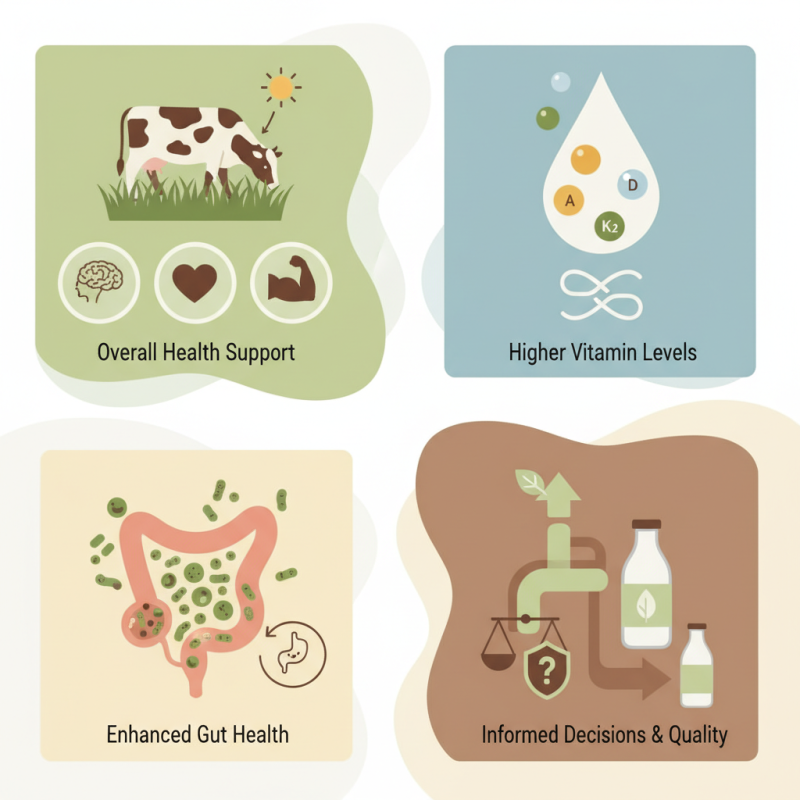
What sets grass fed raw milk apart? This milk contains higher levels of vitamins A, D, and K2, all crucial for bodily functions. Moreover, the beneficial bacteria found in raw milk can enhance gut health. It's noteworthy that the conversion of conventional dairy consumers to grass fed options reflects a growing awareness of food quality and its impact on health.
However, challenges arise in sourcing and processing grass fed raw milk. Not all farms maintain the same standards, leading to varied product quality. Potential risks also exist, especially for vulnerable populations. Therefore, consumers must navigate these nuances carefully. Considerable research still underscores the need for informed decisions about incorporating grass fed raw milk into diets.
Health Benefits of Grass Fed Raw Milk Explained
Grass-fed raw milk offers various health benefits that many are beginning to explore. One significant advantage stems from its rich nutrient profile. This milk contains higher levels of omega-3 fatty acids. These essential fats are crucial for heart health and brain function. Additionally, grass-fed milk is rich in vitamins A and D, which support immunity and bone strength.
Another benefit is its probiotic content, which helps maintain gut health. These natural bacteria can aid digestion and promote a healthy microbiome. Many people report feeling less bloated after switching to grass-fed raw milk. However, some may experience lactose intolerance or other reactions. It's essential to listen to your body. Pay attention to how it responds.
Moreover, the taste of grass-fed milk is often richer and creamier. Some people appreciate this depth of flavor in their morning coffee or baked goods. However, acquiring raw milk can present challenges. Not every area has legal access, and the quality can vary significantly. Researching local farms is important. Understanding these nuances helps make informed choices about incorporating grass-fed raw milk into your diet.
What Are the Health Benefits of Grass Fed Raw Milk? - Health Benefits of Grass Fed Raw Milk Explained
| Health Benefit | Description | Nutritional Component |
|---|---|---|
| Rich in Omega-3 Fatty Acids | Grass fed raw milk contains higher levels of Omega-3s, which are essential for heart health. | Omega-3 Fatty Acids |
| Improved Digestion | The probiotics present in raw milk support gut health and enhance digestion. | Probiotics |
| Higher Levels of Vitamins | Grass fed raw milk is richer in vitamins A, D, and K, which are vital for overall health. | Vitamins A, D, K |
| Enhanced Flavor | The flavors are influenced by the cows' diet, leading to a creamier and richer taste. | Fat Content, Nutritional Profile |
| Stronger Immune System | The nutrients and probiotics can help bolster the immune system. | Vitamins, Probiotics |
Nutritional Profile of Grass Fed Raw Milk
Grass-fed raw milk has gained attention for its unique nutritional profile. It typically contains higher levels of healthy fats, vitamins, and minerals compared to conventional milk. The presence of omega-3 fatty acids is notable. These essential fats promote heart health and reduce inflammation in the body. Additionally, the vitamin content, especially vitamin K2 and vitamin A, supports overall health and immunity.
The mineral content in grass-fed raw milk is also impressive. It provides calcium, phosphorus, and magnesium, crucial for strong bones. Raw milk contains probiotics, beneficial bacteria that aid digestion and support gut health. These attributes contribute to its appeal among health-conscious consumers. However, It's worth considering the source of the milk. Variations in farming practices can lead to differences in nutritional value.
Some people may experience lactose intolerance when consuming raw milk. This is an individual response and can be frustrating for those seeking its benefits. People should also reflect on whether raw milk fits their dietary needs or lifestyle. While many appreciate its taste and nutritional value, others may prefer processed alternatives due to safety concerns. Ultimately, the choice requires careful thought and consideration of personal health goals.
Impact on Gut Health and Digestion
Grass-fed raw milk has gained attention for its potential health benefits, especially concerning gut health and digestion. It contains beneficial probiotics, which play a crucial role in maintaining a balanced gut microbiome. These bacteria help in breaking down food and enhancing nutrient absorption. Regular consumption may lead to improved digestion, reducing issues like bloating and discomfort.
With its rich content of enzymes, grass-fed raw milk aids in lactose digestion, which can be beneficial for some lactose-intolerant individuals. It promotes a healthy gut lining, creating a barrier against harmful bacteria. However, not everyone might experience these benefits. Some people may have sensitivities or adverse reactions. This complexity reminds us that individual responses vary greatly.
Additionally, the fatty acids in grass-fed milk can support gut health. These fats provide energy for gut cells and potentially reduce inflammation. Still, too much dairy can lead to digestive issues for some. It's essential to pay attention to your body’s reactions and adjust consumption accordingly. The journey to better gut health is not always perfect.
Health Benefits of Grass Fed Raw Milk - Impact on Gut Health and Digestion
Comparison with Conventional Milk
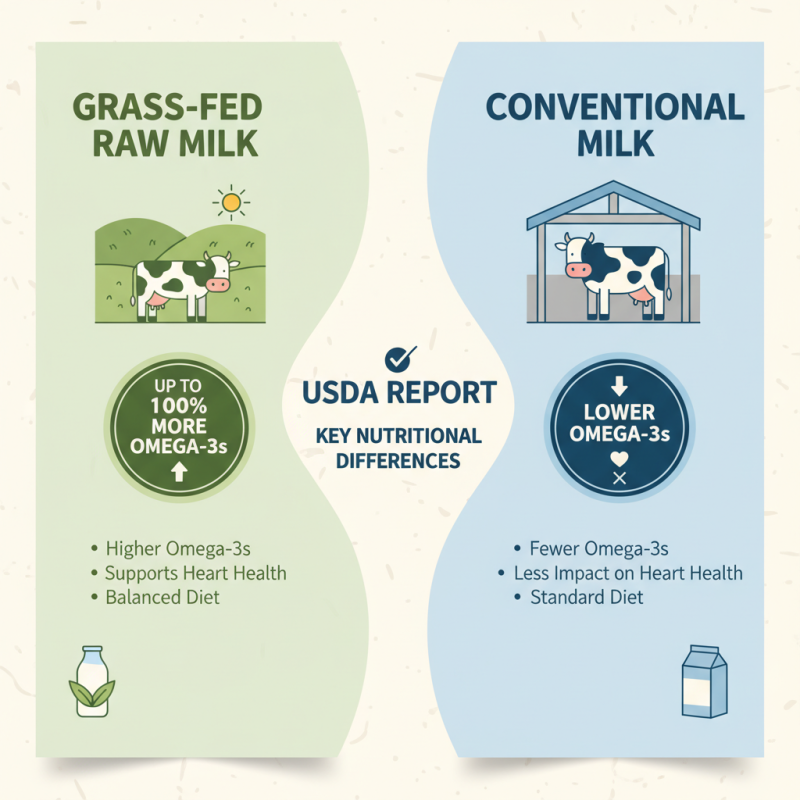
Grass-fed raw milk and conventional milk present notable differences in nutritional profiles. Grass-fed milk typically has higher levels of omega-3 fatty acids. A report from the USDA indicates that grass-fed milk can contain up to 100% more omega-3s compared to conventional milk. This is vital for heart health, promoting a balanced diet.
Vitamin content also varies significantly. Research shows that grass-fed raw milk has increased levels of vitamins A and E. These vitamins are crucial for immune function and skin health. In contrast, conventional milk often lacks these enhanced nutrients due to the cows' grain-based diets. The imbalance in nutrients can raise concerns, especially for those seeking optimal health benefits.
Taste is another aspect often debated. Some consumers prefer the creaminess of grass-fed milk, while others find it too strong. This subjective preference can lead some individuals to miss out on its health benefits. Moreover, raw milk can carry risks, raising questions about safety. Individuals must weigh these factors when choosing between grass-fed raw and conventional milk.
Potential Risks and Considerations for Consumption
When considering the consumption of grass-fed raw milk, potential risks should not be overlooked. Raw milk can harbor harmful bacteria like E. coli and Salmonella. These pathogens can lead to serious health issues. According to the Centers for Disease Control and Prevention (CDC), consuming raw milk increases the risk of foodborne illness. This risk is notably higher for vulnerable populations, such as pregnant women, children, and the elderly.
It's essential to be cautious. Proper handling and sourcing from reputable farms are crucial. Consumers should ensure the milk comes from healthy cows and that the farm adheres to strict hygiene practices. The absence of pasteurization means there’s no kill step for harmful organisms. Therefore, testing the milk regularly for pathogens is advisable.
Tip: If you choose to consume raw milk, always look for farms that provide transparency about their practices. Ask about their testing protocols and animal health. Keep in mind that raw milk is not suitable for everyone. Those with weakened immune systems should carefully consider their options before consuming it. Balancing the perceived benefits with these risks is vital for informed choices.