10 Essential Tips for Choosing the Best Dairy Free Butter Options?
In recent years, the demand for dairy free butter has surged. This shift reflects growing awareness about lactose intolerance and dietary preferences. According to dairy alternative expert Dr. Emily Johnson, "Choosing the right dairy free butter is crucial for flavor and health."
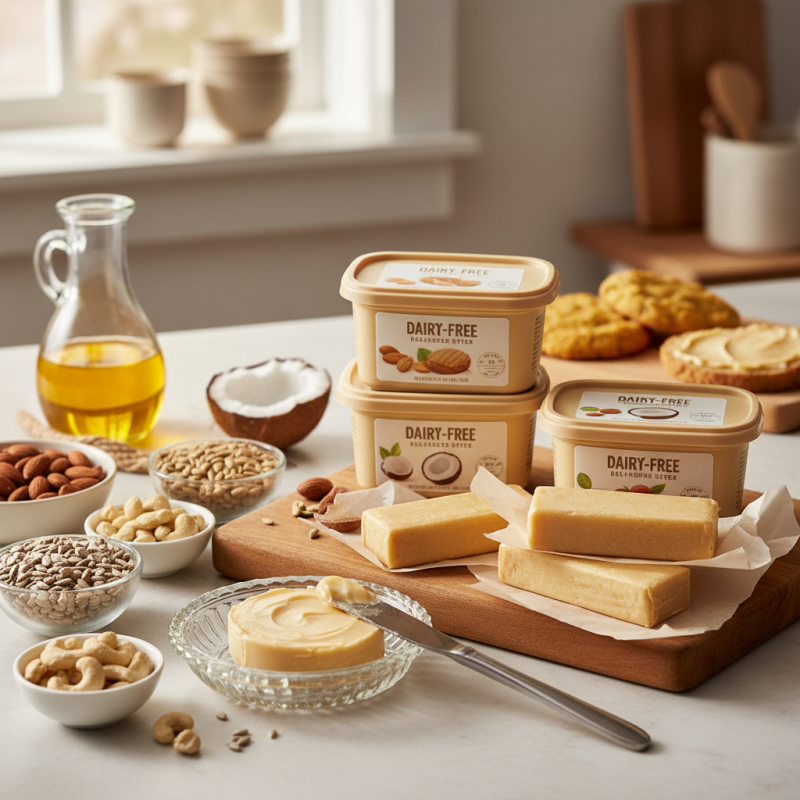
Selecting a dairy free butter can feel overwhelming. There are numerous options, each with unique ingredients and textures. Many brands now offer alternatives made from nuts, seeds, or oils. Understanding these options can enhance your cooking and baking experiences. The right choice can transform a simple recipe into a delightful dish.
Keep in mind that not all dairy free butters are created equal. Some may lack the rich flavor of traditional butter. Others might contain additives that could impact your health. Testing different varieties is essential to find a match for your palate. Consider reading labels carefully as you explore this growing market. Remember, the ideal dairy free butter should align with your taste preferences and dietary needs.
Understanding Dairy-Free Butter: What to Look For
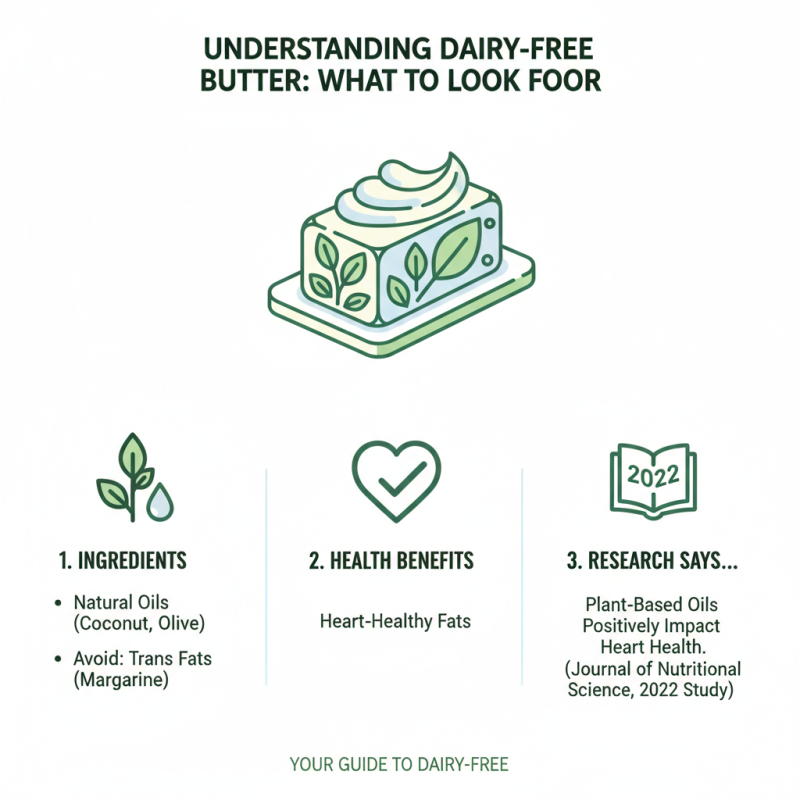
When selecting dairy-free butter, it’s essential to focus on specific criteria. Ingredients should be at the top of your list. Look for options made from natural oils, such as coconut or olive oil. These ingredients can offer healthier fats compared to margarine, which often contains trans fats. According to a 2022 study by the Journal of Nutritional Science, products made from plant-based oils can contribute positively to heart health.
Texture and flavor are also crucial. A successful dairy-free butter should spread easily and enhance the taste of your dishes. It’s worth noting that some products may contain flavoring agents that mimic dairy, which can alter taste profiles significantly. An industry report from the Plant-Based Foods Association indicates that 40% of consumers prefer dairy-free alternatives that closely resemble traditional butters in taste and texture. Quality matters, yet many commercial options may not live up to expectations.
Lastly, consider the nutritional aspect. Check for added vitamins and minerals, particularly B12 and D, which can be less available in plant-based diets. It's common for consumers to overlook these details, focusing solely on the absence of dairy. Mindfully examining labels can make a difference. While some brands flaunt their "buttery taste," you might find that real nourishment comes from transparency and quality ingredients.
Comparing Ingredients: Common Bases for Dairy-Free Butters
When choosing dairy-free butter, understanding the base ingredients is essential. Common bases include coconut oil, almond oil, and shea butter. Each has unique properties affecting texture and flavor. For example, coconut oil is solid at room temperature and provides a rich creaminess. Almond oil, on the other hand, lends a subtle nutty taste, appealing to many consumers.
A recent industry report indicates that the plant-based butter market is projected to grow significantly, reaching over $5 billion by 2025. This growth reflects increasing consumer demand for healthier, dairy-free alternatives. However, not all options are created equal. Some may contain additives or unhealthy fats. It's important to read ingredient labels carefully.
Many consumers overlook the significance of emulsifiers in dairy-free butter. These ingredients help blend oils with water, impacting texture and spreadability. Options like lecithin or xanthan gum are commonly used. However, understanding the effects of these emulsifiers on overall health is crucial. Decisions should be based on personal dietary needs and preferences, always weighing the benefits against potential drawbacks.
10 Essential Tips for Choosing the Best Dairy Free Butter Options
| Butter Type | Common Bases | Flavor Profile | Cooking Uses |
|---|---|---|---|
| Coconut Oil Butter | Coconut Oil, Palm Oil | Sweet, Tropical | Baking, Spreading |
| Nut Butters | Almond, Cashew, Peanut | Nutty, Rich | Spreading, Cooking |
| Soy-Based Butter | Soybean Oil, Water | Creamy, Mild | Cooking, Baking |
| Avocado Oil Butter | Avocado Oil, Coconut Oil | Smooth, Buttery | Spreading, Sautéing |
| Olive Oil Butter | Olive Oil, Coconut Oil | Rich, Peppery | Baking, Sautéing |
| Sunflower Oil Butter | Sunflower Oil, Palm Oil | Light, Mild | Spreading, Baking |
Evaluating Flavor Profiles: Taste Testing Dairy-Free Options
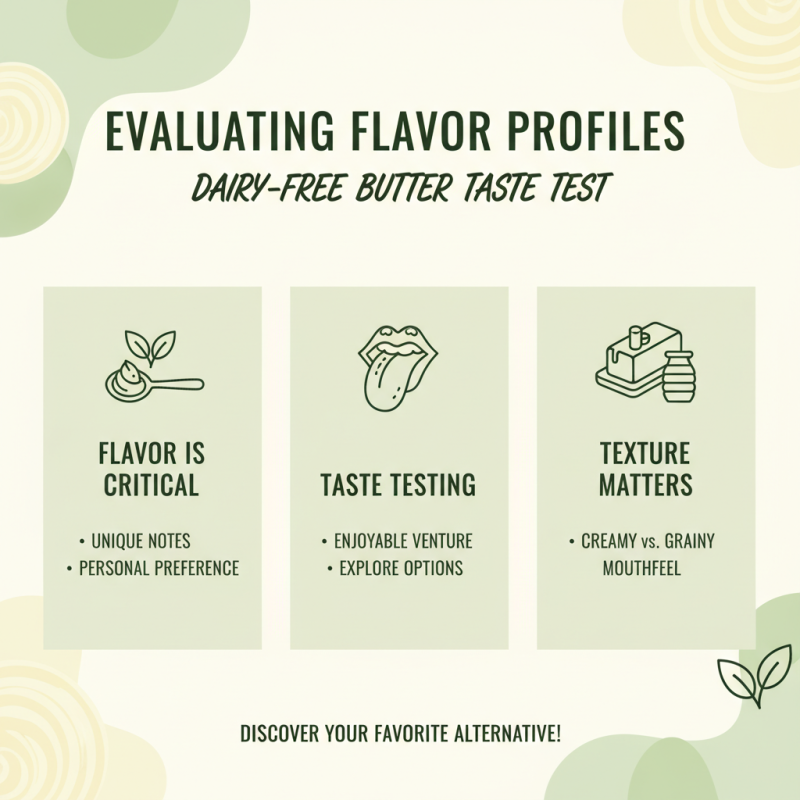
When exploring dairy-free butter options, the flavor profile is critical. Taste testing is an enjoyable venture. Each alternative offers unique notes. Some possess a creamy texture, while others may be grainy. You might prefer one over another based on personal preferences.
Consider using a small, warm piece of bread to evaluate flavors. Spread a thin layer of dairy-free butter, and take a bite. This method allows you to focus on the taste. Notice the buttery aroma and how it complements the bread. Certain brands may taste artificial, lacking that authentic richness.
It can feel overwhelming when choosing among many options. The variety might overwhelm you. It’s also normal to find several you dislike. Take notes on your experiences. Reflect on which textures and tastes you favor. Change might feel uncomfortable, but that's part of the process. Embrace it and make a choice that resonates with your palate.
Nutritional Considerations: Health Aspects of Dairy-Free Butters
Choosing dairy-free butter alternatives requires a good understanding of nutritional aspects. Many individuals seek these options to avoid lactose or for ethical reasons. It's essential to check the ingredients. Look for sources of healthy fats, like nuts or seeds. These fats can support heart health if chosen wisely. Some dairy-free butters may contain added sugars or unhealthy oils. This can undermine their health benefits.
It's also important to consider vitamins. Many dairy-free butters are enriched with Vitamin D and calcium. These nutrients are crucial for bone health, especially in those avoiding dairy. However, not all products provide adequate amounts. Some might lack sufficient nutrients, making their health claims less trustworthy.
Moreover, watch out for allergens. Many dairy-free options include soy or tree nuts, which could trigger reactions. Evaluating labels carefully can prevent potential issues. In the crowded market of dairy-free options, not every product aligns with health goals. It requires a discerning eye to choose the best option for personal health needs.
Comparison of Nutritional Aspects of Popular Dairy-Free Butter Options
Sustainability and Ethics: Choosing Environmentally-Friendly Brands
Choosing dairy-free butter involves more than just nutritional ingredients. A significant factor is sustainability. Many brands focus on sourcing ingredients that are eco-friendly. This means considering where the fats come from, how they're produced, and how they impact the planet. Palm oil is often used but can contribute to deforestation. Exploring alternatives like avocado or coconut oil can be more sustainable choices.
Ethics also plays a crucial role. Many consumers want to know if brands support ethical farming practices. The transparency of these brands is essential. Look for certifications that indicate fair trade practices and humane treatment of workers. Reading ingredient labels can reveal a lot, but not everyone realizes that packaging can be insightful too. Recyclable materials or minimal packaging can indicate a brand's commitment to the environment.
While sustainability is vital, it can be challenging to balance taste and ethics. Some products might lack the rich flavor of traditional butter. Experimenting with different dairy-free options can lead to new favorites. Keeping an open mind helps in discovering satisfying alternatives that align with ethical values.
Related Posts
-
What is the Best Daily Milk to Drink in 2026?
-
10 Best Dairy Supplies for Your Farm Needs?
-
China Top 10 Delicious Grassland Butter Varieties to Try Now?
-
10 Best Raw Milk Delivery Services You Should Try?
-

Ultimate Guide to Bulk Butter Storage Tips for Freshness and Flavor
-

Top 10 Uses for Bulk Butter in Cooking and Baking?