10 Essential Tips for Buying Bulk Butter Successfully
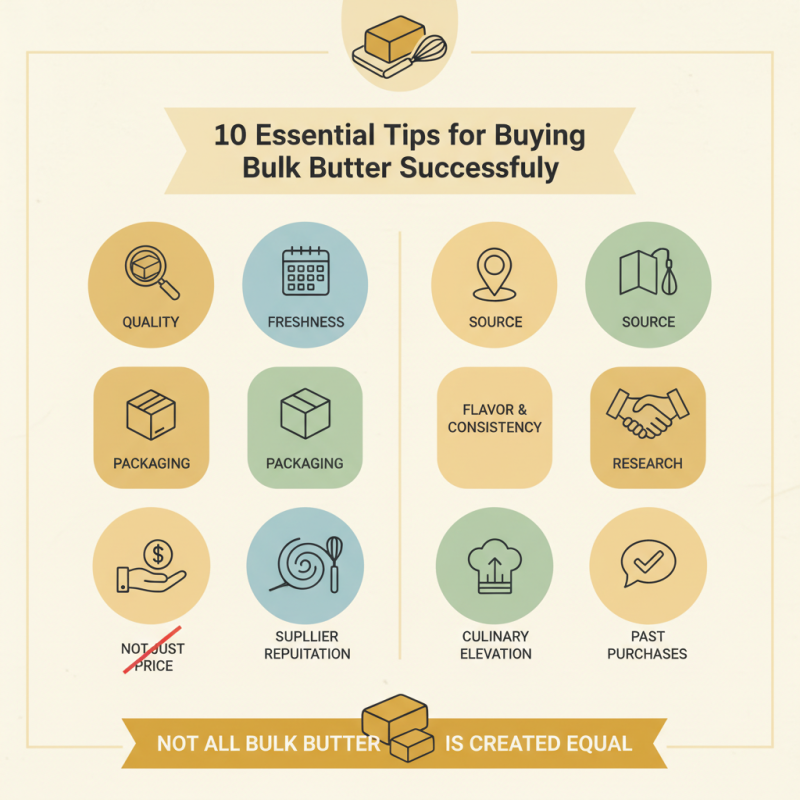
When it comes to purchasing bulk butter, the stakes can be high. According to industry expert Emily Green, “Quality is key in bulk butter purchases.” With so many options available, making the right choice is crucial. Bulk butter can be a cost-effective solution for businesses and individuals alike, but it requires careful consideration.
Factors such as freshness, source, and packaging play significant roles in the buying process. Without attention, one might end up with products that fail to meet quality standards. It's not just about price; flavor and consistency matter greatly. Many overlook the importance of supplier reputation, which can lead to disappointing results later.
Choosing the right bulk butter can elevate any culinary effort. It can also enhance baking and cooking experiences. However, without thorough research, your investment may not yield the expected returns. Reflecting on past purchases can guide better choices in the future. Always remember: not all bulk butter is created equal.
Understanding the Benefits of Buying Bulk Butter
Buying bulk butter offers numerous advantages for both businesses and individuals. First, it can significantly reduce costs. According to a recent industry report, purchasing butter in larger quantities can save consumers up to 30% compared to retail prices. This is particularly beneficial for restaurants and bakeries that use butter extensively in their products. More savings mean more flexibility for budgeting and investing in other ingredients.
Another advantage is freshness. Butter has a longer shelf life when stored properly. Buying in bulk can often mean less frequent purchasing trips, which helps streamline operations for busy kitchens. However, it's essential to keep track of inventory. Mismanagement can lead to spoilage, especially if storage conditions are not optimal. One study highlighted that about 20% of butter purchased in bulk goes unused and spoils due to improper inventory practices.
Moreover, buying bulk butter supports sustainable practices. Many suppliers focus on quality and ethical sourcing when selling in larger quantities. This can lead to better tasting products and more responsible consumer choices. Still, care must be taken to research suppliers. Not all bulk options guarantee high quality. Finding a balance between cost, quality, and ethical sourcing requires diligence and consideration.
Identifying Quality Indicators in Bulk Butter Purchases
When purchasing bulk butter, quality is key. Freshness plays a critical role. Look for butter with a clean, creamy appearance. Avoid any discolored or grainy textures. The smell should be pleasant, not sour or off-putting. Fresh butter has a mild, sweet aroma. Pay attention to the packaging. It should be intact and well-sealed. Damaged packaging can lead to spoilage.
Consider the color of the butter. A pale yellow indicates lower quality, while a rich golden hue often suggests higher quality. This is due to the cows' diet. An abundance of grass-fed sources usually results in better butter. Don't forget to check the expiration date. Yet, a lengthy shelf life doesn't always guarantee freshness. Taste tests, if possible, can further help evaluate quality.
Reflection on your bulk purchases is essential. Sometimes, bulk options may seem cost-effective but can lead to waste. If you buy too much, improperly stored butter can spoil. This risk highlights the importance of understanding your usage. Keep an eye on your consumption habits. Ensure your butter remains a delicious, high-quality staple in your kitchen.
Choosing the Right Storage Solutions for Bulk Butter
When buying bulk butter, proper storage is crucial. Butter is sensitive to temperature and air exposure. It can quickly spoil if not stored correctly. An airtight container helps prevent oxidation. Vacuum-sealed bags are another good option. They keep the butter fresh longer. Consider using a freezer for long-term storage. It can extend the butter’s lifespan and maintain quality.
Different forms of butter require different storage methods. Block butter can be wrapped in parchment paper. This helps protect it from absorbing other flavors in the fridge. Spreadable butter may need a dedicated container. Choose one that is easy to access. This makes using it convenient. Label containers with dates for tracking freshness.
Overlooking storage details can lead to waste. You might end up discarding spoiled butter. Regularly check your stash to ensure everything is in good condition. Experiment with different storage solutions to find what works best for you. Adjusting your approach can save time and money in the long run. Effective storage enhances the quality of your butter, ensuring it remains delicious for your culinary needs.
Evaluating Suppliers and Their Butter Products
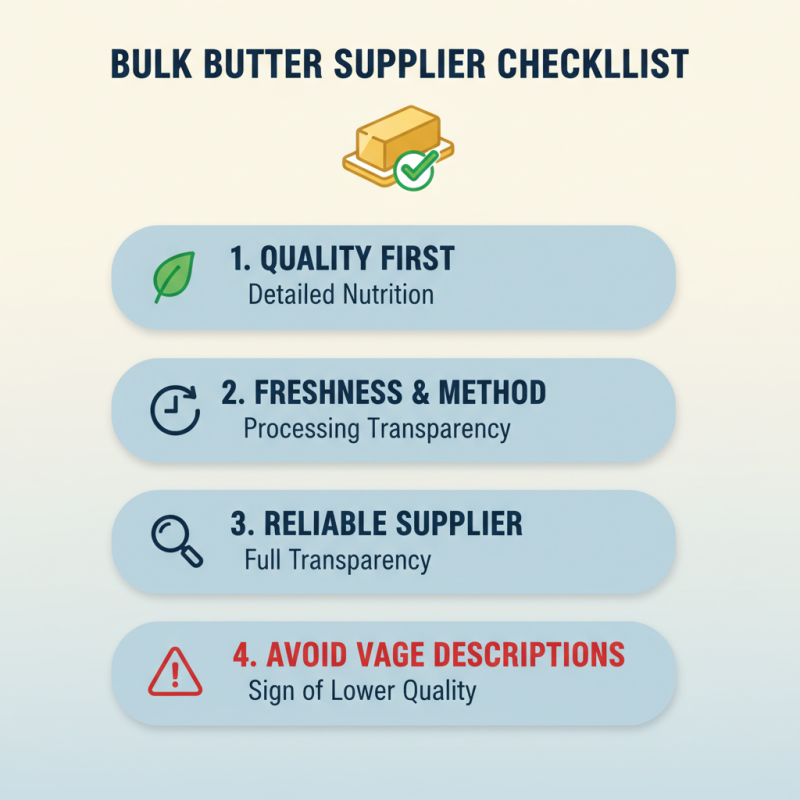
When evaluating suppliers for bulk butter, quality is paramount. Look for suppliers who provide detailed nutritional information. Check for freshness and the processing methods they use. Transparency is a sign of a reliable supplier. Beware of vague descriptions; they often indicate lower quality standards.
Consider the supplier’s track record. Read reviews and ask for references. It’s helpful to speak to other buyers. Their experiences can provide insights into potential issues. A supplier may promise quality, but does it hold true in practice? Ask about their storage and shipping practices, as these influence butter’s freshness.
Furthermore, think about product variety. Some suppliers may offer organic or specialty butters. It’s essential to know what you need. However, too many options can be overwhelming. Make a list of must-have attributes. This clarity can help narrow down your choices effectively. Keep an open mind but remain critical throughout the decision-making process.
Planning for Cost Savings and Budgeting for Bulk Purchases
When considering bulk butter purchases, careful budgeting is crucial. Start by assessing your actual needs. Buying too much can lead to waste. Butter has a limited shelf life. It’s important to calculate how much you realistically use in a month. This way, you avoid overestimating your purchases.
Evaluate local prices before diving into bulk buying. Prices can fluctuate widely. One store might offer a discount, while another does not. Compare unit prices to determine the best deal. Keep an eye on seasonal sales, as they can significantly impact your budget. If you lack price tracking, you might miss out on good savings.
Also, plan for storage. Bulk butter needs adequate freezer space. An overcrowded freezer can lead to thawing issues. Consider using vacuum-sealed bags for longer freshness. Reflect on how bulk buying fits your lifestyle. It's not just about the savings. It’s about convenience and minimizing food waste.
Butter Purchase Comparison: Bulk vs Retail
Related Posts
-
Ultimate Guide to Bulk Butter Storage Tips for Freshness and Flavor
-

Top 10 Uses for Bulk Butter in Cooking and Baking?
-

Why Choose Plant Butter for Your Cooking Needs?
-

Top 10 Ways to Enjoy Fresh Milk in Your Daily Diet?
-

2026 Best Dairy Free Butter Options for Health Conscious Consumers?
-

What is Cow Milk and Its Health Benefits for Your Diet?