What is a DC Compressor and How Does it Work?
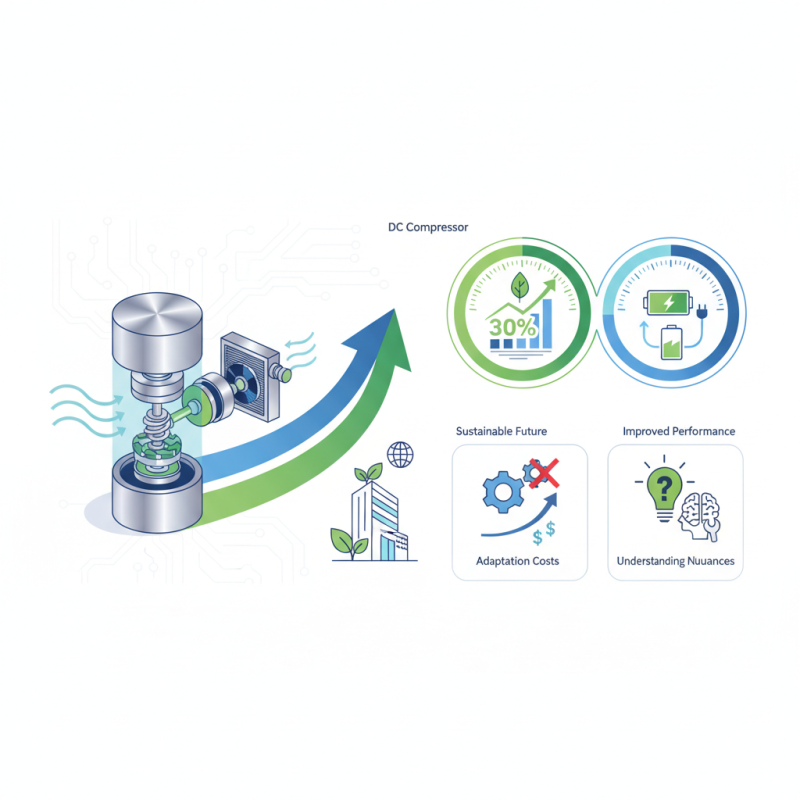
In recent years, DC Compressors have gained significant attention in the HVAC and refrigeration industries. They are known for their energy efficiency and compact design. According to a report by the International Energy Agency, DC compressors can improve energy efficiency by up to 30% compared to traditional AC models. These figures highlight the growing importance of innovative technologies in energy consumption.
Dr. Emily Roberts, a leading expert in compressor technology, stated, "DC compressors represent a turning point in how we approach refrigeration." Her insights reflect the industry's shift toward more sustainable practices. With increasing environmental concerns, reliance on such technologies is likely to rise.
However, the movement toward DC compressors isn’t without challenges. Adaptation costs can be high. Additionally, users may face hurdles in understanding the technology's nuances. Despite these issues, the potential for energy savings and improved performance makes DC compressors an area worthy of exploration. Continued research and development will be crucial for overcoming existing barriers.
What is a DC Compressor and Its Key Components
DC compressors are integral components in many modern refrigeration and air conditioning systems. These compressors convert direct current (DC) electrical energy into mechanical energy. They primarily consist of key components such as the rotor, stator, and electronic control circuitry. The rotor spins within a magnetic field created by the stator, generating the necessary pressure to circulate refrigerants through the system. According to industry reports, DC compressors can be up to 30% more energy-efficient than traditional AC compressors, leading to substantial savings in energy costs.
Another critical aspect of DC compressors is their ability to modulate speed. This feature allows them to optimize cooling based on real-time demands. Electronic control systems adjusting the compressor's speed can minimize unnecessary energy consumption. Various studies have indicated that these systems can extend the lifespan of HVAC components and improve overall performance. However, improper installation or inadequate maintenance can lead to inefficiencies.
While the benefits are clear, DC compressors also present challenges. Notably, the initial cost can be higher compared to conventional compressors. This can deter some users from adopting this technology despite its long-term advantages. Moreover, understanding the intricacies of their operation requires technical knowledge. Users should ensure they have access to qualified professionals for installation and servicing to achieve the desired efficiency.

The Working Principle of a DC Compressor Explained
A DC compressor operates on the principle of converting electrical energy into mechanical energy, enabling effective refrigeration. The compressor's design allows for variable speed operation, leading to enhanced energy efficiency compared to traditional systems. According to a 2022 report by the International Energy Agency, DC compressors can improve energy efficiency by up to 30%. This remarkable efficiency makes them a popular choice in modern cooling applications.
The working mechanism relies on a brushless DC motor. This motor adjusts its speed based on cooling demand, maintaining optimal temperatures with minimal energy loss. These compressors use a refrigerant to absorb heat from their surroundings. The refrigerant vapor is compressed and then cooled, releasing heat outside. This cycle is crucial for effective temperature control in systems like air conditioners.
While DC compressors are gaining popularity, challenges exist. Initial costs can be high, which may deter some buyers. Additionally, maintenance requires specialized knowledge, which can complicate repairs. Proper installation and understanding of the system are vital for maximizing performance. Continuous innovation is necessary to address these challenges and improve overall reliability in modern applications.
Efficiency Comparisons: DC Compressors vs. Traditional Compressors
DC compressors are gaining popularity for their efficiency compared to traditional compressors. One of the main advantages is their variable speed capability. This allows them to adjust their output based on cooling demands. In contrast, traditional compressors often run at a fixed speed, which can lead to energy waste.
A study indicated that DC compressors can be up to 30% more energy-efficient than their counterparts. This efficiency comes from their ability to modulate power consumption. Traditional compressors can consume more energy during startup and operation. Even small variances in climate or usage can significantly impact their performance.
Tips: To enhance efficiency, maintain regular cleaning and servicing of your cooling systems. Proper insulation can also improve overall performance. Investing in a DC compressor may seem costly initially, but the long-term savings are considerable. Be sure to consider your specific needs before making a choice.
Applications of DC Compressors in Various Industries
DC compressors are being widely adopted across different industries due to their efficiency and compact design. In the refrigeration sector, they offer precise control over cooling processes. This is crucial for preserving perishable goods in supermarkets and warehouses. Their ability to handle variable loads makes them ideal for varying temperature requirements.
In the automotive industry, DC compressors are integral to electric vehicles. They provide reliable air conditioning, enhancing passenger comfort without straining the vehicle’s battery. This technology aligns with the growing need for sustainable transport solutions. However, challenges exist in optimizing performance across different environmental conditions.
The HVAC industry also benefits from DC compressors. They support energy-efficient heating and cooling systems. These compressors can reduce energy consumption significantly. Yet, system integration remains a hurdle. Balancing performance and cost is essential for widespread adoption. The future of DC compressors is promising, yet it requires ongoing innovation.
Applications of DC Compressors in Various Industries
Future Trends and Innovations in DC Compressor Technology
The future of DC compressor technology is driven by innovation and efficiency. Data from industry experts reveal that the global market for DC compressors is expected to grow significantly, reaching a projected value of $3.6 billion by 2028. This growth reflects the shift toward energy-efficient systems in refrigeration and air conditioning applications.
Emerging trends indicate a focus on developing smart compressors, which incorporate IoT capabilities. These devices can communicate usage patterns and optimize performance dynamically. Furthermore, advancements in materials science are enabling lighter and more compact designs. Studies suggest that the use of advanced composites can lead to a 15% reduction in weight without sacrificing durability.
However, challenges remain. The integration of sophisticated electronics can complicate maintenance. The learning curve for technicians may increase as the technology becomes more complex. Companies must address these hurdles to ensure wide adoption. The delicate balance between innovation and practicality is key in the evolution of DC compressors.
What is a DC Compressor and How Does it Work? - Future Trends and Innovations in DC Compressor Technology
| Dimension | Description | Innovation |
|---|---|---|
| Energy Efficiency | Higher COP (Coefficient of Performance) compared to traditional compressors. | Use of advanced materials for improved thermal conductivity. |
| Compact Design | Smaller size facilitating easier integration in various applications. | Modular construction for customizable solutions. |
| Noise Reduction | Lower operational noise levels improving user comfort. | Integration of sound-dampening technologies. |
| Control Systems | Smart electronic controls for optimized performance. | Development of AI-driven algorithms for predictive maintenance. |
| Refrigerant Use | Environmentally friendly refrigerants with lower GWP. | Research on alternative refrigerants for sustainability. |
