What is Cow Milk and Its Health Benefits for Your Diet?
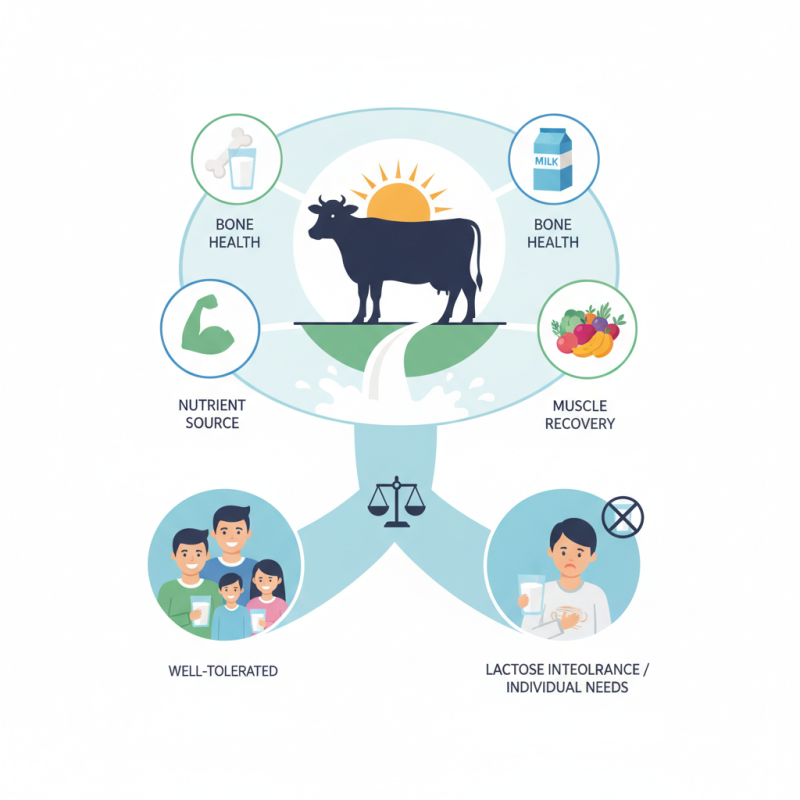
Cow milk has been a staple in diets worldwide for centuries. Its rich nutritional profile is a key reason for its enduring popularity. According to a report by the International Dairy Federation, cow milk is an excellent source of calcium, protein, and essential vitamins. It supports bone health and aids in muscle recovery after exercise.
Dr. Emily Johnson, a leading nutritionist, emphasizes, “Cow milk is not just food; it’s a powerful source of nutrition.” Many people enjoy it daily, but some may face lactose intolerance. Understanding the balance of benefits and drawbacks is vital.
For those who tolerate it well, cow milk can enhance dietary health. Yet, discussions on dairy consumption often miss the nuances of individual dietary needs. While cow milk can provide numerous health benefits, it’s essential to consider personal tolerance levels and preferences. Each person’s reaction to cow milk varies, and recognizing this can lead to more informed dietary choices.
What is Cow Milk: A Nutritional Overview of Its Composition
Cow milk is a staple in many diets around the world. It is rich in nutrients like protein, calcium, and vitamins. One cup of cow milk typically contains about 8 grams of protein. This is essential for muscle growth and repair. Calcium supports bone health, making it crucial during childhood and adolescence.
The fat content in cow milk varies. Whole milk has about 3.5% fat, while skim milk contains less than 0.5%. This high-fat content can be a concern for some. It may lead to increased cholesterol levels. Additionally, some individuals are lactose intolerant, which causes digestive discomfort. This can be a barrier to enjoying cow milk for many.
Another aspect to consider is the environmental impact of dairy farming. Water usage and methane emissions are significant concerns. Though cow milk provides various health benefits, it’s essential to address these issues. Balancing nutritional needs with environmental sustainability is vital for future generations.
Key Vitamins and Minerals in Cow Milk: Benefits for Human Health
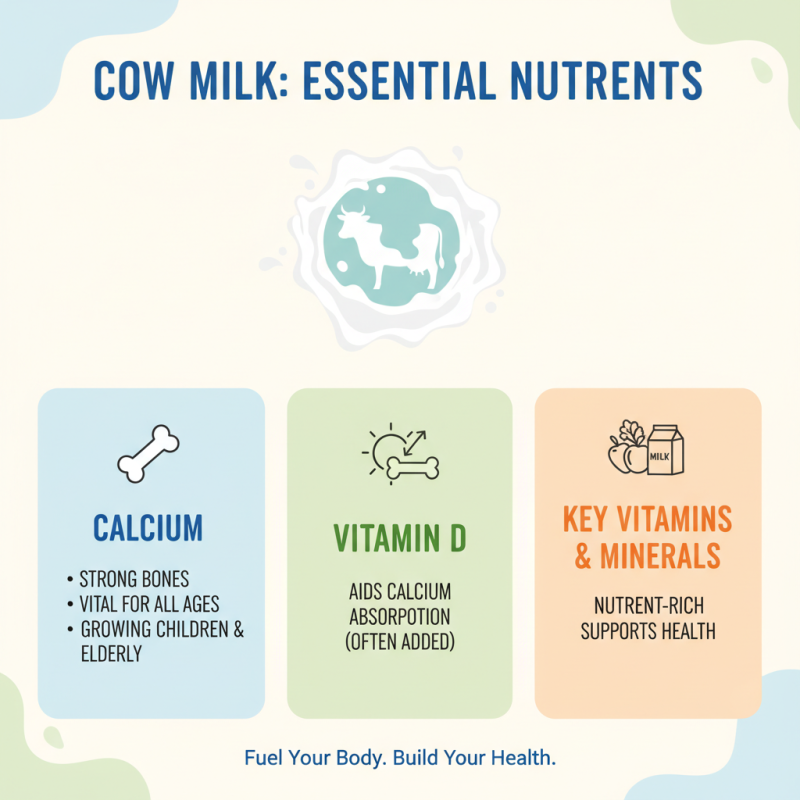
Cow milk is a rich source of essential nutrients. It contains key vitamins and minerals that are beneficial for your health. For instance, it is high in calcium, which supports strong bones. Calcium is vital for everyone's diet, especially for growing children and elderly people. Vitamin D is often added to milk. This vitamin helps your body absorb calcium effectively.
Additionally, cow milk provides vitamin B12, which is crucial for red blood cell formation. Without enough B12, one may feel fatigue and weakness. Potassium in milk helps manage blood pressure levels. It is surprising how one beverage can deliver so many nutrients.
**Tips:** Choose low-fat or skim milk for fewer calories. Always read labels for added sugars. If you are lactose intolerant, try lactose-free options. Listen to your body. Some people may experience discomfort after consuming milk. It’s essential to be mindful of how dairy affects you. Embrace variation; sometimes, plant-based alternatives can be a good addition. Nutritional needs vary, so explore what works best for you.
The Role of Cow Milk in Bone Health: Calcium and Vitamin D Impact
Cow milk is a vital source of nutrients. It contains calcium and vitamin D, essential for strong bones. Calcium helps in building bone density. A glass of cow milk can provide nearly one-third of the daily calcium requirement. This is crucial for children and adolescents, as their bones are still growing.
Vitamin D plays a significant role, too. It aids calcium absorption in the body. Without enough vitamin D, bones may weaken. Some may not get enough sunlight to produce vitamin D naturally. Hence, consuming cow milk can help bridge this gap. However, it's worth noting that lactose-free alternatives are available for those with lactose intolerance.
Many people question the suitability of cow milk for their health. While it supports bone health, some experience digestive discomfort. It's essential to listen to your body. Consider your own health needs before including it in your diet. Individuals should reflect on their reactions and seek balance. Cow milk can be a beneficial addition, but awareness is key.
Impact of Cow Milk on Weight Management and Muscle Health
Cow milk is a popular choice for those looking to manage their weight and enhance muscle health. It contains high-quality protein, which helps build and repair muscles. The presence of essential nutrients like calcium and vitamin D further supports bone health. A balanced diet with cow milk can be beneficial for anyone aiming for fitness.
When considering weight management, moderation is key. Cow milk can be calorie-dense. Choosing low-fat options may help maintain a balanced caloric intake. Moreover, combining milk with fruits or whole grains can offer a nutritious meal or snack.
Tips: Monitor your portion sizes. A cup of milk is often sufficient for most people. Listen to your body; ask if it feels satisfied. Remember that high protein needs can vary among individuals, so assess your own dietary needs carefully.
Impact of Cow Milk on Weight Management and Muscle Health
Potential Allergies and Lactose Intolerance: Considerations for Consumption
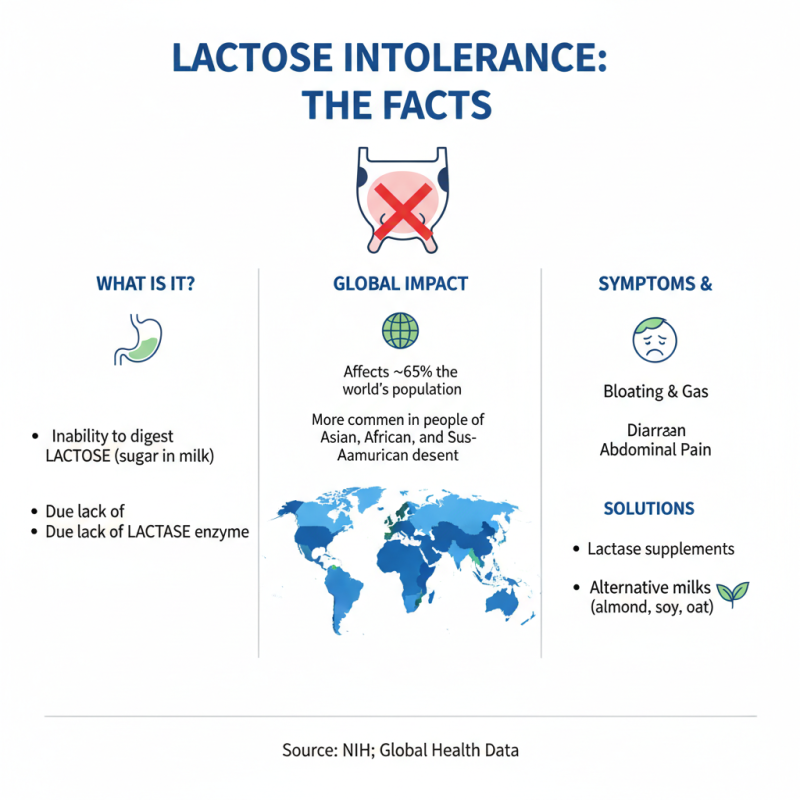
Cow milk is a staple in many diets. However, it can pose challenges for some individuals. Lactose intolerance affects about 65% of the global population. This means many people cannot digest lactose, the sugar in milk. Symptoms often include bloating, gas, and diarrhea. For those affected, consuming cow milk can lead to discomfort.
Additionally, milk allergies are different from lactose intolerance. They occur when the immune system reacts to proteins in milk. According to studies, about 2-3% of children are allergic to cow’s milk. These allergies can cause various reactions, from hives to severe anaphylaxis. Considering these factors is crucial for safe consumption.
While cow milk provides essential nutrients, like calcium and protein, challenges exist. Alternatives like almond or oat milk are options. They may be safer for lactose intolerant or allergic individuals. However, some alternative milks lack the same nutrient profile as cow milk. Carefully reading labels is essential. Many people must balance enjoyment and health when choosing their dairy options.
Related Posts
-
Ultimate Guide to Bulk Butter Storage Tips for Freshness and Flavor
-

2026 Best Dairy Free Butter Options for Health Conscious Consumers?
-

Top 10 Ways to Enjoy Fresh Milk in Your Daily Diet?
-

Best Unsalted Butter for Baking Which Brands to Choose?
-

What Are the Health Benefits of Grass Fed Raw Milk?
-

Top Benefits of Fresh Milk for Health and Wellness?