How to Choose the Best Plastic Take Out Food Container?
Choosing the right Plastic Take Out Food Container is more than comparing prices or appearance. It affects food safety, transport efficiency, customer experience, and packaging waste. A container that leaks curry onto a delivery bag can damage trust within minutes. A weak lid can also create costly refunds and negative reviews.
Industry data shows why this decision deserves careful attention. The U.S. Environmental Protection Agency reported that containers and packaging represented 28.1% of municipal solid waste generation in 2018. The OECD’s Global Plastics Outlook also identifies packaging as a major source of plastic waste worldwide. These figures do not define every takeaway operation, but they highlight the need for better material choices and practical waste planning.
A reliable selection process should examine food-contact documentation, temperature resistance, sealing performance, stackability, and supplier consistency. The FDA Food Code provides widely recognized guidance for safe food-contact practices, while local authorities may apply additional requirements. Buyers should request technical sheets, migration information, and clear recycling or disposal instructions. PP containers may suit hot meals, while PET often supports chilled foods and clear product visibility. However, material labels alone are not enough. Real performance depends on thickness, design, closures, and handling conditions.
Test the container with oily food, hot soup, and a thirty-minute delivery simulation. Small mistakes appear quickly. A container can look excellent yet warp under heat. Sustainability claims also require caution, because “recyclable” does not guarantee local recycling access. The best choice balances safety, durability, cost, customer expectations, and realistic end-of-life options. This guide explains how to compare those factors with evidence, not assumptions.
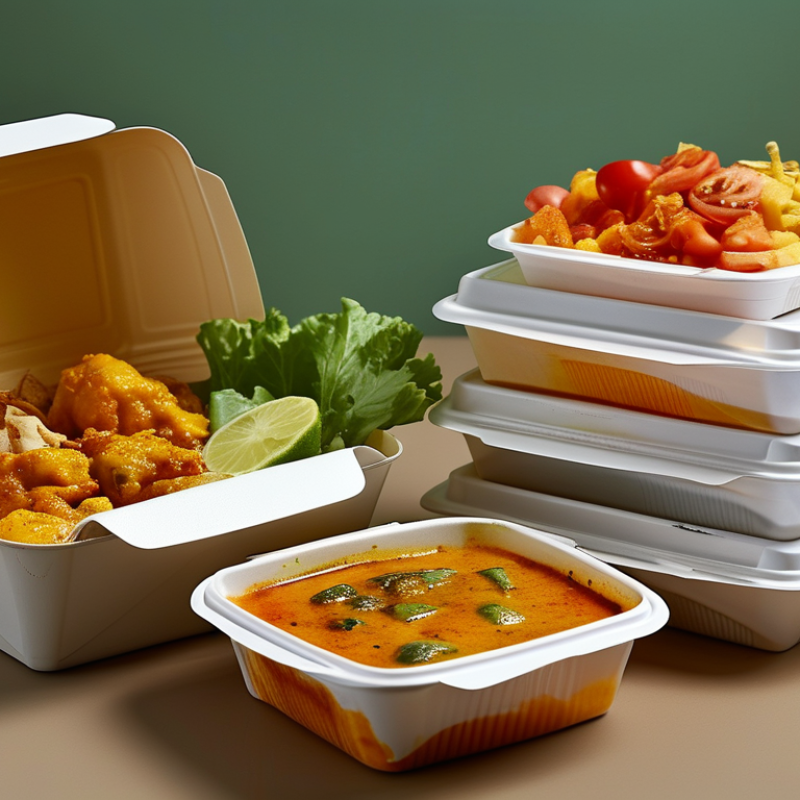
Understanding Plastic Takeout Food Container Types
Choosing the best plastic takeout container starts with its material type, not its appearance. Polypropylene, or PP, handles hot food, sauces, and moderate reheating well. It stays flexible but resists cracking during delivery. Use it for noodles, rice, soups, and mixed meals. Polyethylene terephthalate, known as PET, offers strong clarity and a firm surface. It suits cold salads, fruit, desserts, and chilled drinks. Not every clear container is heat-safe.
Crystallized PET, or CPET, tolerates higher temperatures than standard PET. It works better for oven-ready meals, but it often costs more.
Polystyrene provides light insulation, yet it can become brittle and creates disposal concerns.
Compostable-looking PLA needs careful handling. It generally performs best with cold food and controlled commercial composting conditions. A warm curry may deform it. That detail is easy to miss.
Material choice also affects waste performance. The OECD’s Global Plastics Outlook (2022) reports 353 million tonnes of plastic waste in 2019, with only 9% recycled. UNEP’s Turning off the Tap (2023) states that about 430 million tonnes of plastic are produced annually, and two-thirds serves short-lived uses.
Therefore, check local collection systems before selecting a “recyclable” container. In practice, a simple PP container may outperform a complicated alternative when recovery facilities cannot process it. I still find the lid-to-base fit easy to underestimate; leakage can ruin an otherwise suitable design.

Matching Container Materials to Different Foods
How to Choose the Best Plastic Take Out Food Container?
Matching Container Materials to Different Foods
Choosing a container starts with the food, not its shape or price. In my experience, polypropylene works well for hot rice, noodles, soups, and oily meals. It tolerates heat better than many lightweight plastics. Still, check whether the container is approved for hot filling or microwave use. “Heat resistant” does not always mean oven safe.
For cold salads, fruit, sandwiches, and desserts, PET offers clear visibility and good rigidity. It helps customers inspect fresh ingredients before opening the lid. However, PET may deform with hot food. Polyethylene containers suit sauces, marinades, and foods needing flexible packaging. High-density polyethylene is tougher and useful for heavier portions. Acidic foods, such as tomato-based dishes, deserve extra care. Test for leakage, staining, and odor transfer before regular use. No material performs perfectly in every situation.
Tips: Match the container to serving temperature, oil content, moisture, and portion weight. Leave space for hot steam. A tight lid can reduce spills, but trapped heat may soften delicate foods. Use food-grade materials with clear safety documentation from the supplier. I once chose a clear container for a warm curry because it looked attractive. The lid warped slightly. That small mistake changed my selection process: appearance matters, but real-use testing matters more. Check the base, lid fit, stacking strength, and handling comfort with the actual menu.
How to Choose the Best Plastic Take Out Food Container? - Matching Container Materials to Different Foods
| Container Material | Best Food Applications | Key Advantages | Important Limitations | Typical Temperature Guidance* | Recommended Features |
|---|---|---|---|---|---|
| Polypropylene (PP) | Hot entrées, rice, pasta, soups, curries, meal-prep dishes and reheatable leftovers | Good heat resistance, lightweight, durable and generally suitable for microwave reheating when specifically labeled | Can warp or degrade if exposed to excessive heat; not every PP container is microwave-safe | Commonly used for hot food service; follow the manufacturer’s maximum temperature rating, often around 100–120°C for approved applications | Vented lid, leak-resistant seal, microwave-use marking and stackable shape |
| Polyethylene Terephthalate (PET) | Cold salads, fruit, desserts, sandwiches, chilled noodles and transparent display foods | Clear appearance, good stiffness, strong presentation and effective barrier against moisture and gases | Not intended for hot filling or microwave heating unless specifically engineered and labeled for that use | Best for chilled or room-temperature foods; avoid high-heat applications | Clear lid, tamper-evident closure, anti-fog option and separate compartments for wet ingredients |
| High-Density Polyethylene (HDPE) | Cold foods, dairy-based items, sauces, marinades, pickles and foods requiring strong impact resistance | Tough, lightweight, moisture-resistant and relatively resistant to many acids and cleaning chemicals | Usually opaque or translucent, provides limited product visibility and is not generally selected for microwave reheating | Suitable for cold and moderate-temperature use; check the specific food-contact rating before hot filling | Secure screw-style or snap-fit lid, strong sidewalls and light-blocking design for sensitive foods |
| Polystyrene (PS) | Cold foods, bakery items and short-service applications where low cost and rigidity are priorities | Rigid, lightweight, economical and available in clear or opaque formats | Brittle compared with PP, poor heat tolerance and generally unsuitable for microwave use; local regulations may restrict some PS products | Use primarily for cool or room-temperature foods; avoid hot liquids and high-temperature reheating | Rigid rim, secure lid and food-specific labeling; avoid use with very hot or oily foods unless approved |
| Expanded Polystyrene (EPS) | Hot soups, fried foods and temperature-sensitive takeout that needs short-term insulation | Very lightweight, low cost and provides effective thermal insulation | Bulky, easily crushed, difficult to recycle in many areas and unsuitable for microwave use; restrictions may apply locally | Designed for short-term hot or cold service, not for oven or microwave heating | Tight-fitting lid, venting for fried foods and sufficient wall thickness for insulation |
| Polyactic Acid (PLA) | Cold salads, fresh fruit, desserts, chilled drinks and other short-term cold-food applications | Plant-derived feedstock is commonly used; clear appearance and suitable for some certified compostable packaging systems | Low heat resistance, may soften with hot food and requires suitable commercial composting conditions where accepted | Generally limited to chilled or cool foods; do not use for hot filling or microwave heating | Certified compostability marking, clear lid and moisture-resistant closure |
| Polycarbonate (PC) | Reusable food-service containers, high-impact applications and products requiring exceptional clarity | High impact strength, good clarity and better heat resistance than many common transparent plastics | Higher cost, may scratch with repeated use and must comply with applicable food-contact requirements | Use only within the product’s tested temperature range; microwave use requires explicit labeling | Reusable-grade construction, durable hinge or lid, clear visibility and cleaning instructions |
| Low-Density Polyethylene (LDPE) | Flexible sauce cups, condiment containers, liners and soft-pack food components | Flexible, lightweight, moisture-resistant and effective for squeezable or easy-release applications | Lower rigidity, weaker dimensional stability at high temperatures and limited suitability for stacking heavy meals | Best for cold or moderate-temperature foods; verify the specific grade before use with hot contents | Flexible body, secure snap cap, tamper evidence and leak-resistant fit |
*Temperature guidance is general and varies by resin grade, wall thickness, lid design, food composition and intended-use testing. Always follow the container manufacturer’s food-contact, microwave, freezer and temperature instructions.
Evaluating Size, Shape, and Closure Options
Choosing the best plastic takeout food container starts with matching its dimensions to the meal, not volume alone. A container holding 900 milliliters may still crush noodles or let sauce slide across the base. Measure portions after cooking, because rice, roasted vegetables, and fried foods expand differently. Leave modest headspace for meals that release steam. Too much empty space wastes packaging and allows food to shift during delivery. Too little space presses against the lid and damages presentation.
Shape affects both eating quality and storage efficiency. Rectangular containers usually stack well and suit rice bowls, sandwiches, and mixed meals. Round containers work better for soups, salads, and foods that need easy stirring. Deep corners can trap sauce and make scraping difficult. I check how a fork reaches the bottom before approving a shape. A practical test is simple: fill the container, stack several units, and carry them across a busy service area. Stability matters more than attractive dimensions.
Closure options should match the food and delivery distance. Hinged lids save time, while separate snap-on lids often provide a tighter seal. For soup, test the seal with warm water before using it during service. Vented lids can reduce condensation, but excessive openings may dry fried foods. I once selected a convenient lid that loosened after repeated handling. That mistake showed me that sample testing should include movement, temperature, and stacking. Specifications help, but real-world fit can still surprise you.
Checking Safety, Durability, and Environmental Factors
Choosing a plastic takeout container starts with food-contact safety, not appearance. Check whether the material is approved for its intended food and temperature range. A container for cold salad may fail with boiling soup. Heat changes everything. Look for clear instructions on microwave use, freezer storage, and maximum temperature. The U.S. Food and Drug Administration evaluates food-contact materials for potential chemical migration, but real conditions still matter. Fatty foods, long heating times, and repeated use can increase exposure risks. Do not guess.
Durability affects safety and waste. A practical test includes filling the container, closing the lid, and carrying it across a busy kitchen. The lid should resist leaks without excessive force. The base should remain stable when hot. Thin plastic may save material, yet it can collapse during delivery. The wrong thickness creates more waste through spills and replacement containers. I would also inspect scratches and cloudy areas, because damage can make cleaning unreliable. Reuse claims need careful reflection.
Environmental performance requires more than a recycling symbol. The OECD’s Global Plastics Outlook reports that only about 9% of plastic waste was recycled worldwide in 2019. Local collection rules often determine whether a container is actually recovered. UNEP’s 2023 report says plastic pollution could be reduced by 80% by 2040 through reuse, recycling, and better design. Choose a container with realistic reuse potential, clear material identification, and minimal unnecessary parts. A lighter package is not automatically greener. End-of-life access matters.
Comparing Costs and Selecting the Right Supplier
How to Choose the Best Plastic Take Out Food Container?
Compare supplier quotes beyond the unit price. A container priced at four cents may require expensive tooling, freight, or custom packaging. Ask for a complete cost sheet. Include molds, samples, cartons, delivery, and possible inspection fees. In one purchasing review, a cheaper quote became more expensive after freight and rejected samples. That experience changed my evaluation process. I now request a written breakdown before discussing volume commitments.
Tips: Request at least three samples. Fill them with hot soup and chilled salad. Check leaks, lid fit, stacking stability, and surface clarity. Test them during actual service, not only on a clean desk. Record results with photos and simple measurements. Small weaknesses often appear after repeated handling.
Supplier selection also requires evidence, not confident promises. Ask for material specifications, food-contact compliance documents, production tolerances, and batch traceability. Confirm the supplier can maintain the same dimensions across repeated orders. Review minimum order quantities and lead times carefully. A low price is less useful when stock arrives late or lids fit poorly. Discuss quality-control procedures, replacement policies, and communication during production. If recycled content or disposal claims matter, request supporting documentation and check local requirements. I still leave room for doubt; a polished sample cannot prove long-term consistency. A factory audit, independent inspection, or trial order may reveal what a sales sheet misses.
