How to Choose the Best Lactose Free Food for Your Diet?
Choosing the right lactose free food is crucial for those with lactose intolerance. Dr. Emily Masters, a nutritionist specializing in dairy alternatives, highlights the importance of selection: “Not all lactose free foods are created equal.” This simple truth can guide you in making informed dietary choices.
Lactose free food varies significantly in taste and quality. Some products may still contain additives that are not beneficial. It is essential to read labels carefully. Look for options made with whole ingredients and minimal processing. Fresh fruits, vegetables, and grains can often be better choices compared to processed items.
Navigating the world of lactose free foods can be overwhelming. Understanding your preferences and nutritional needs is key. Not every lactose free option suits everyone. Experimenting with different products helps find the right fit for your lifestyle. Remember, being lactose free doesn’t mean compromising on taste. Enjoy the journey to discover delicious alternatives!

Understanding Lactose Intolerance and Dietary Needs
Lactose intolerance affects many people globally. Understanding its impact on diet is crucial. Symptoms include bloating, gas, and diarrhea after consuming dairy products. This can disrupt daily life and limit food choices. Finding lactose-free alternatives is essential.
When selecting lactose-free foods, read labels carefully. Not all dairy-free products are created equal. Some may still contain traces of lactose. Focus on whole foods like fruits, vegetables, meats, and grains. They are naturally lactose-free. Incorporating these into meals can add variety and nutrition.
**Tips:** Always check for lactose-free labels. Consider plant-based substitutes like almond or soy milk. These can be tasty and decrease discomfort. Be aware of hidden lactose in processed foods. Look for ingredients like whey or casein. They may surprise you.
Identifying Lactose-Free Food Labels and Certifications
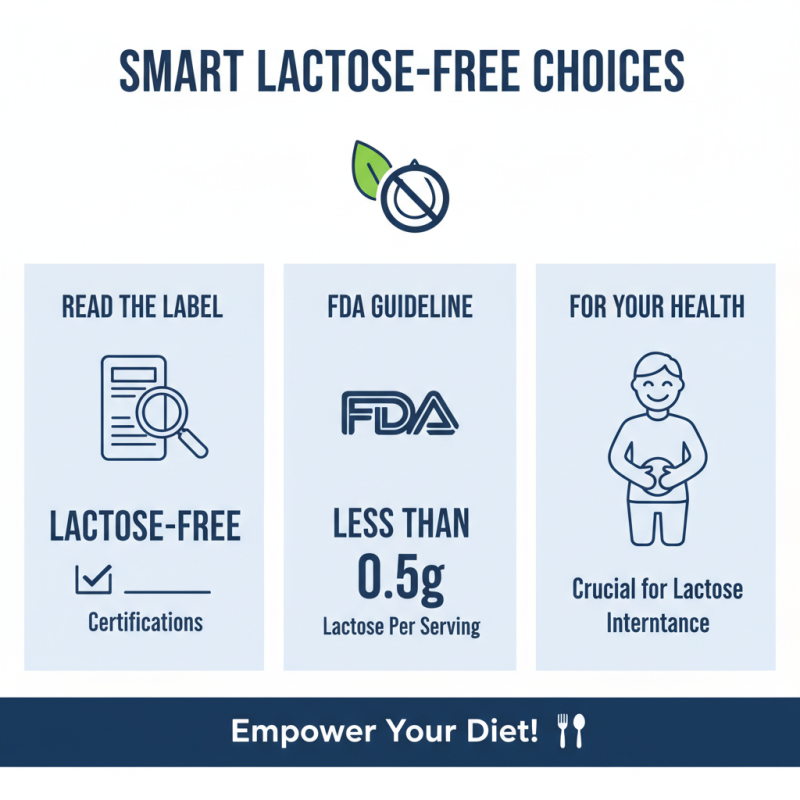
When selecting lactose-free foods, understanding food labels is crucial. Many products now feature specific certifications for lactose-free options. The FDA has clear guidelines that foods labeled "lactose-free" must contain less than 0.5 grams of lactose per serving. This is essential for those with lactose intolerance.
Tips: Always look for third-party certifications on packaging. These endorsements provide additional assurance about lactose content. Products labeled as "suitable for lactose intolerance" may not always meet strict guidelines, so verify with trusted sources.
The prevalence of lactose intolerance varies globally. Studies show up to 68% of adults exhibit some degree of lactose malabsorption. As a result, brands are responding by developing more lactose-free products. Even so, it can be challenging to navigate these options.
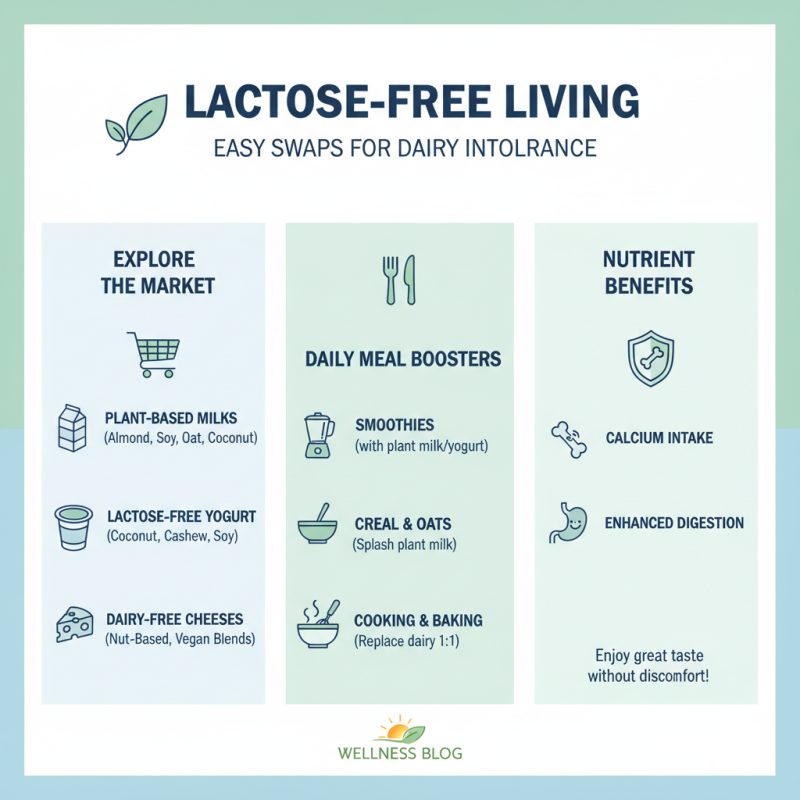
Tips: Familiarize yourself with common lactose-free substitutes, such as almond milk or coconut yogurt. These alternatives can often be found in supermarkets but may vary in availability. Read the ingredient list carefully; unexpected ingredients might still contain lactose. Always prioritize products with clear labels for safety.
Exploring Different Food Categories for Lactose-Free Options
When exploring lactose-free food options, it's essential to look at different food categories. Dairy alternatives, such as almond milk and coconut yogurt, provide similar textures without lactose. According to a report by the International Dairy Foods Association, lactose-free dairy products have surged in popularity, indicating a significant market shift toward plant-based options. Many consumers prefer plant milks for their lower calorie count and longer shelf life.
Tips: Always check labels for added sugars in non-dairy products. Some brands enhance taste with sweeteners. Consider using lactose-free cheese made from various milk sources. These include soy or cashew. The taste can vary greatly; expect to experiment with brands.
In addition to dairy alternatives, grains and legumes are crucial. Foods like quinoa, lentils, and chickpeas are naturally lactose-free. They pack protein and fiber. A study by the Journal of the American Dietetic Association highlights that these foods contribute to digestive health. However, be mindful of food combinations. Mixing beans with grains can create a ‘complete protein’, but may not be suitable for everyone. Tailoring combinations to personal tolerance is vital.
Tips: Keep a food diary. Monitor how different lactose-free foods affect your body. Finding a balance can take time, and everyone's journey is unique.
Choosing the Best Lactose-Free Food Options
Evaluating Nutritional Content of Lactose-Free Products
When choosing lactose-free foods, evaluating nutritional content is crucial. Not all lactose-free products are created equal. Some may lack essential nutrients found in regular dairy. For example, lactose-free milk might still have similar calorie content but could miss out on certain vitamins and minerals. It's important to read labels carefully.
Consider the variety of nutrients in lactose-free options. Look for those fortified with calcium and vitamin D. These nutrients support bone health. Some lactose-free yogurts are rich in probiotics, which promote gut health. But not all yogurts have the same bacterial strains. Some might not even contain live cultures.
Portion sizes also matter. A small serving might seem harmless, but the calories can add up quickly. Overindulging in snacks labeled as lactose-free can lead to dietary imbalance. Reflect on your choices. Are you consuming a well-rounded diet? Opt for whole, minimally processed foods when possible.
How to Choose the Best Lactose Free Food for Your Diet? - Evaluating Nutritional Content of Lactose-Free Products
| Product | Calories (per serving) | Protein (g) | Fat (g) | Carbohydrates (g) | Fiber (g) | Sugar (g) |
|---|---|---|---|---|---|---|
| Lactose-Free Milk | 100 | 8 | 5 | 12 | 0 | 12 |
| Lactose-Free Yogurt | 150 | 6 | 4 | 20 | 1 | 15 |
| Lactose-Free Cheese | 120 | 7 | 10 | 2 | 0 | 1 |
| Lactose-Free Ice Cream | 200 | 4 | 10 | 24 | 1 | 18 |
| Lactose-Free Cream Cheese | 100 | 3 | 9 | 2 | 0 | 1 |
Incorporating Lactose-Free Foods into Your Daily Meal Plan
Incorporating lactose-free foods into your daily meal plan is essential for those with lactose intolerance. Start by exploring various lactose-free options available in supermarkets. You might find plant-based milk, yogurt, and cheeses that can easily replace traditional dairy. These items can help you maintain your calcium intake while enjoying delicious flavors.
When planning your meals, consider using lactose-free alternatives in recipes. For instance, you can create a creamy pasta dish with lactose-free cream. Adding fresh vegetables can enhance the flavor and nutrition. Remember, reading labels is crucial. Not all products labeled "dairy-free" are also lactose-free.
Experimenting in the kitchen can lead to surprising discoveries. You might create a dish that becomes a family favorite. However, it is okay to make mistakes along the way. Not every recipe will turn out perfect, and that’s part of the learning journey. Keep adjusting and trying new foods to find what works best for you and your lifestyle.
Related Posts
-
What is Cow Milk and Its Health Benefits for Your Diet?
-

Top 10 Ways to Enjoy Fresh Milk in Your Daily Diet?
-

Ultimate Guide to Bulk Butter Storage Tips for Freshness and Flavor
-
How to Choose the Best Cow Milk for Your Health and Lifestyle Needs
-

What Are the Health Benefits of Grass Fed Raw Milk?
-
2026 Top Plant Butter Brands and Their Health Benefits