Top Tips for Choosing the Best Grass Fed Butter for You
When it comes to selecting the best grass fed butter, expert opinions play a crucial role. According to nutritionist Sarah Johnson, “Choosing quality grass fed butter significantly impacts your health.” This statement rings true, as not all grass fed butter products are created equal.
Many brands claim to be grass fed but may not meet the necessary standards. The quality of the butter depends on the cows' diet and the farming practices. Grass-fed cows generally produce butter rich in beneficial nutrients like omega-3 fatty acids and vitamins A and K. However, consumers can easily be misled by misleading labels and marketing tactics.
It’s vital to pay attention to details. Look for certifications that guarantee the butter comes from truly grass-fed cows. Also, consider taste and texture. Not every product will meet your palate preferences. Therefore, experimenting with different brands is often necessary to find the right fit. By being mindful of your choices, you can enjoy the full benefits of grass fed butter while ensuring you make the best decision for your health.
Understanding Grass Fed Butter: Definitions and Benefits
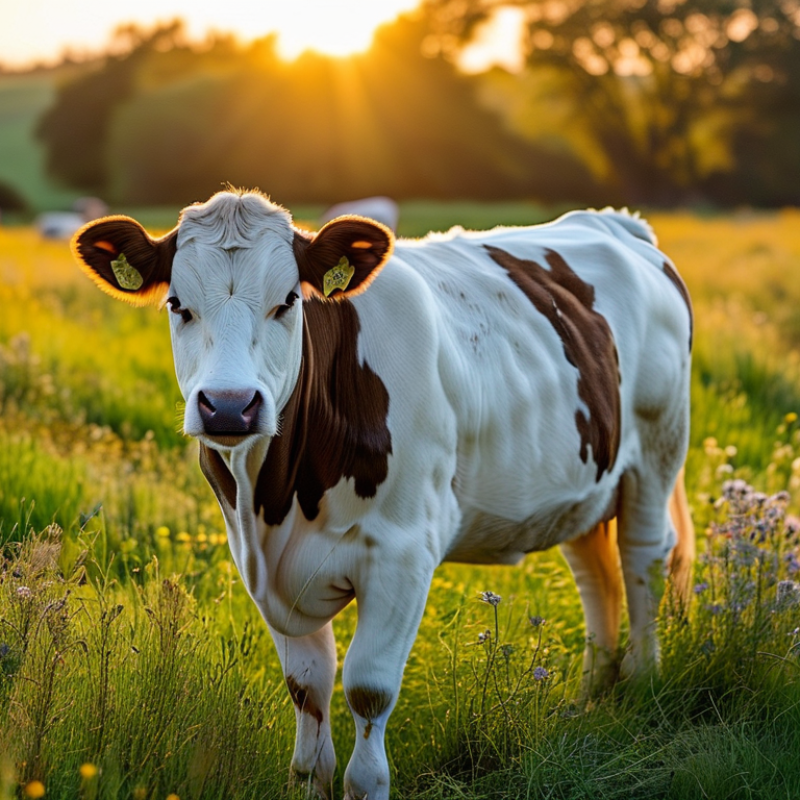
Grass fed butter is a rich and flavorful option for cooking and baking. It comes from cows that roam freely and eat a natural diet of grass. This dietary choice leads to a butter that is not only creamy but also packed with nutrients. Grass fed butter contains higher levels of omega-3 fatty acids and vitamins A and K2. These nutrients are key to maintaining good health.
When selecting grass fed butter, look for labels that confirm its grass-fed origins. This will ensure the butter has been made from milk produced by cows that primarily consume grass. It’s important to note that not all butter marketed as “grass fed” is created equal. Some products may still have additives or be made from cows with a mixed diet. Checking for certifications can provide additional assurance.
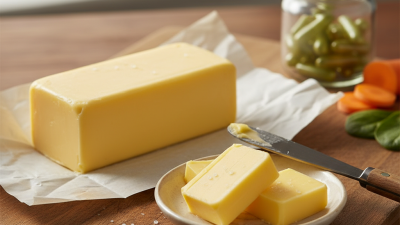
The flavor of grass fed butter is distinct. It often has a golden hue, indicating a higher beta-carotene content. However, taste can vary. Some people may find grass fed butter too strong or different from conventional butter. This can lead to mixed reactions in cooking or baking. Experimenting with different types can help you find the right match for your palate.
Nutritional Comparison: Grass Fed Butter vs. Conventional Butter
When comparing grass-fed butter to conventional butter, nutritional differences emerge. Grass-fed butter often contains higher levels of beneficial nutrients. A study published in the Journal of Dairy Science found that grass-fed butter has up to 500% more conjugated linoleic acid (CLA) than standard butter. CLA has been linked to numerous health benefits, including heart health and weight management.
In terms of vitamins, grass-fed butter is richer in vitamins A and K2. The presence of these vitamins supports various bodily functions, including immune system health and bone strength. Some reports indicate that grass-fed butter has double the levels of vitamin A per tablespoon compared to its conventional counterpart. This vitamin A can enhance skin and eye health, making grass-fed options appealing to many.
However, the taste can differ significantly. Some individuals find the flavor of grass-fed butter stronger and more robust. This potential intensity might not suit everyone's palate. While many appreciate this unique taste, others prefer the milder flavor of conventional butter. Exploring the differences in taste and texture can help in making a more informed choice tailored to personal preferences.
Top Tips for Choosing the Best Grass Fed Butter for You - Nutritional Comparison: Grass Fed Butter vs. Conventional Butter
| Nutritional Component | Grass Fed Butter (per 100g) | Conventional Butter (per 100g) |
|---|---|---|
| Calories | 720 kcal | 717 kcal |
| Total Fat | 81 g | 81 g |
| Saturated Fat | 51 g | 51 g |
| Omega-3 Fatty Acids | 120 mg | 20 mg |
| Vitamin A | 900 IU | 800 IU |
| Calcium | 24 mg | 22 mg |
| Vitamin K2 | 20 mcg | 0 mcg |
Key Factors to Consider When Selecting Grass Fed Butter
When selecting grass-fed butter, consider several key factors for a healthier choice. The source of the butter is critical. Grass-fed cows generally produce milk with higher levels of beneficial nutrients. According to the Journal of Dairy Science, grass-fed butter has more omega-3 fatty acids and conjugated linoleic acid (CLA). CLA supports heart health and may aid in weight management. Ensuring your butter comes from reputable farms can make a significant difference in quality.
Look for certifications that guarantee the grass-fed claim. Some products may be labeled grass-fed but not maintained under strict standards. A 2019 study showed that not all grass-fed options contain the expected nutrient profiles. You should also consider the color and texture of the butter. Grass-fed butter often has a vibrant yellow hue, indicating higher beta-carotene levels. The texture should be smooth, not greasy or overly soft.
When trying new options, purchase small quantities to assess flavor. Many people might find differences in taste surprisingly significant. If the butter has a sour or off flavor, reconsider your choice. Remember that grass-fed butter can vary widely. Testing a few brands and profiles can lead to surprising discoveries. Pay attention to your body’s response when you make a switch. Tracking any changes in digestion or energy levels can provide helpful insights.
Certifications and Labels: What to Look For in Grass Fed Products
When choosing grass-fed butter, certifications and labels play a critical role. Look for grass-fed dairy certifications that indicate the cows grazed on natural pastures for at least 120 days a year. According to the USDA, grass-fed products generally contain higher levels of omega-3 fatty acids and CLA compared to conventional butter. This represents a significant nutritional advantage.
Another important label to check is the Organic certification. Organic standards ensure that cows are not treated with synthetic hormones or antibiotics, enhancing the butter's quality. A study published in the Journal of Dairy Science found that organic grass-fed butter can have 25% more beneficial fatty acids than non-organic counterparts. However, not all grass-fed products are organic, so verify this on the label to ensure you’re selecting a healthy option.
It’s essential to consider the third-party certifications as well. Products that have been verified by established organizations can provide additional assurance of their quality. Some may not meet all nutritional standards, so it’s wise to read labels closely. Transparency in labeling matters; without it, consumers may be misled. Reflecting on the available choices can lead to better decisions for health.
Top Brands: Industry Leaders in Grass Fed Butter Quality and Sourcing
When considering grass-fed butter, it's crucial to research the sources. Many brands claim to offer grass-fed options, but not all abide by the same standards. Look for brands that provide clear information about their sourcing practices. Transparency in farming methods speaks volumes about the quality and nutritional benefits of the product.
Top brands in the industry often prioritize animal welfare and sustainable practices. They may provide details about the cows’ diets, living conditions, and grazing habits. This level of commitment can impact the taste and nutritional profile of the butter. A rich and creamy texture typically indicates high-quality grass-fed butter. However, keep in mind that not every product labeled “grass-fed” meets the same standards, so it is essential to investigate further.
You might find it beneficial to experiment with various brands to see which flavor and texture suit your cooking needs. Taste preferences can vary widely, and not every butter will work well in every recipe. Recognizing that you may have to try a few options can lead to finding that perfect match for your culinary creations. Always read labels carefully and be prepared to reevaluate your choices as you learn more about grass-fed butter quality.
Related Posts
-
How to Choose the Best Grass Fed Butter for Your Healthy Diet?
-

10 Tips for Choosing the Best Grass Fed Butter for Your Diet
-

How to Choose the Best Dairy Supplies for Your Needs?
-

Ultimate Guide to Bulk Butter Storage Tips for Freshness and Flavor
-

What is the Best Daily Milk to Drink in 2026?
-
10 Best Dairy Supplies for Your Farm Needs?