How to Choose the Best Dairy Supplies for Your Needs?
Choosing the right dairy supplies is crucial for success in the dairy industry. With the global dairy market valued at over $650 billion in 2021, selecting high-quality supplies can significantly impact production efficiency. According to industry expert Dr. Emma Forsythe, "Investment in the right dairy supplies is the backbone of sustainable dairy farming."
Proper evaluation of dairy supplies involves understanding your specific needs. Factors such as herd size, production goals, and local climate all play key roles. Dairy farmers often face challenges in sourcing reliable and efficient supplies that meet their operational requirements. Some products may underperform, leading to increased costs and lost productivity.
Investing in quality dairy supplies is essential, but it requires careful consideration. Researching suppliers, comparing products, and seeking expert advice can guide your choices. Be prepared to adapt and re-evaluate your decisions. The right dairy supplies can transform your operations while the wrong choices can hinder progress. The balance between quality and cost is an ongoing concern for dairy producers.
Understanding Your Dairy Farming Needs
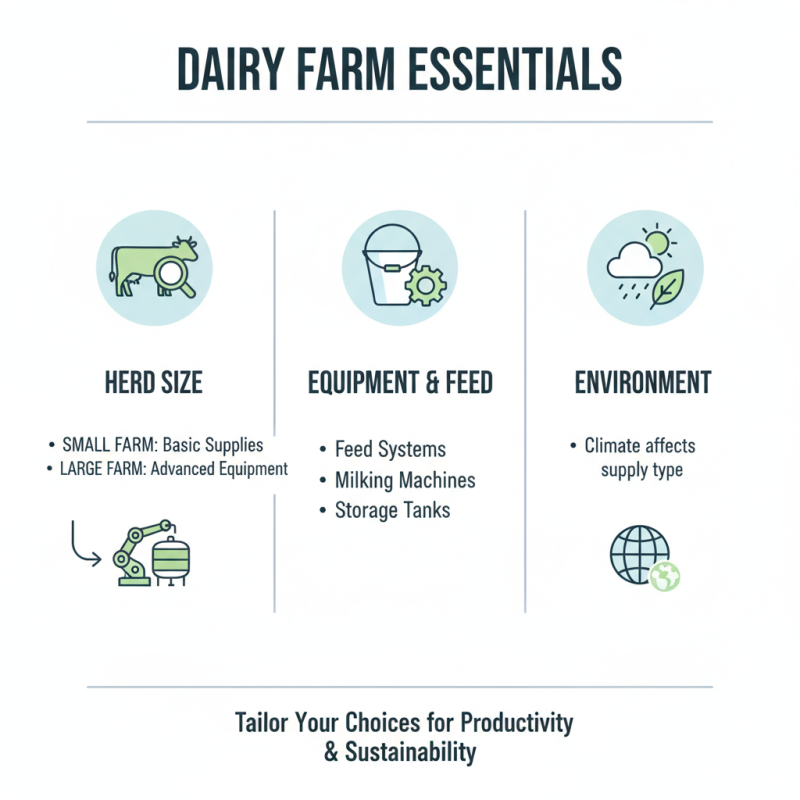
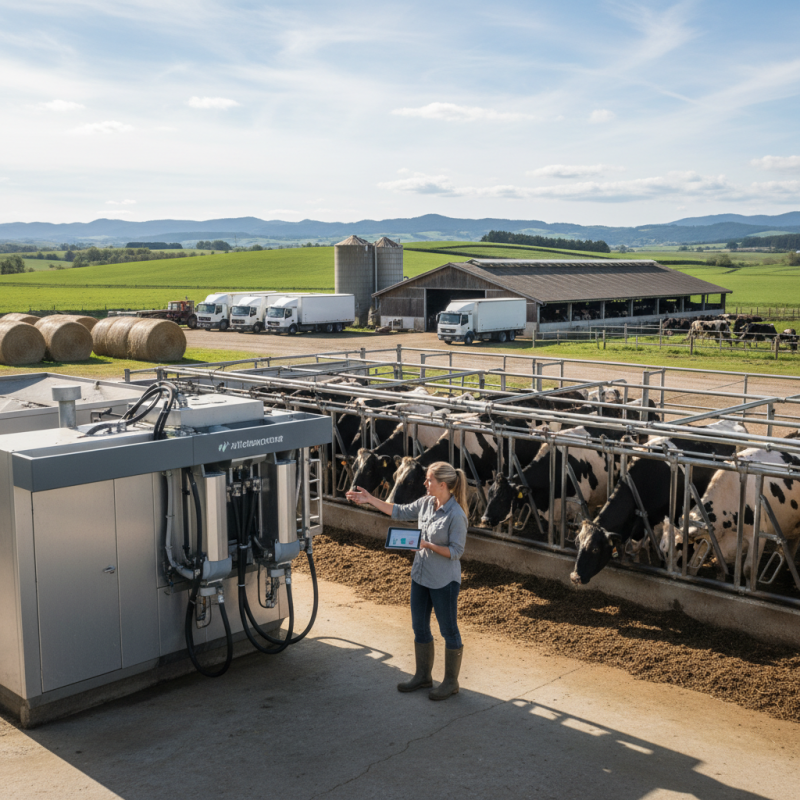
When diving into dairy farming, it's essential to understand your specific needs. Assess your herd size first. A smaller farm might require basic supplies, while a larger operation demands more advanced equipment. Think about feed, milking equipment, and storage options. Each choice impacts productivity. Consider the environment too; different climates influence the type of supplies needed.
Evaluate your budget carefully. High-quality supplies can be costly but may save money in the long run. Don’t compromise on essentials like hygiene and animal welfare. Neglecting these can lead to bigger issues later. Reflect on your current setup. Is there outdated equipment that could be replaced? Regular maintenance is also crucial. It’s easy to overlook, but wear and tear can impact efficiency. Investing in the right dairy supplies tailored to your unique farming situation can set the stage for success.
Assessing Quality and Nutritional Standards of Dairy Supplies
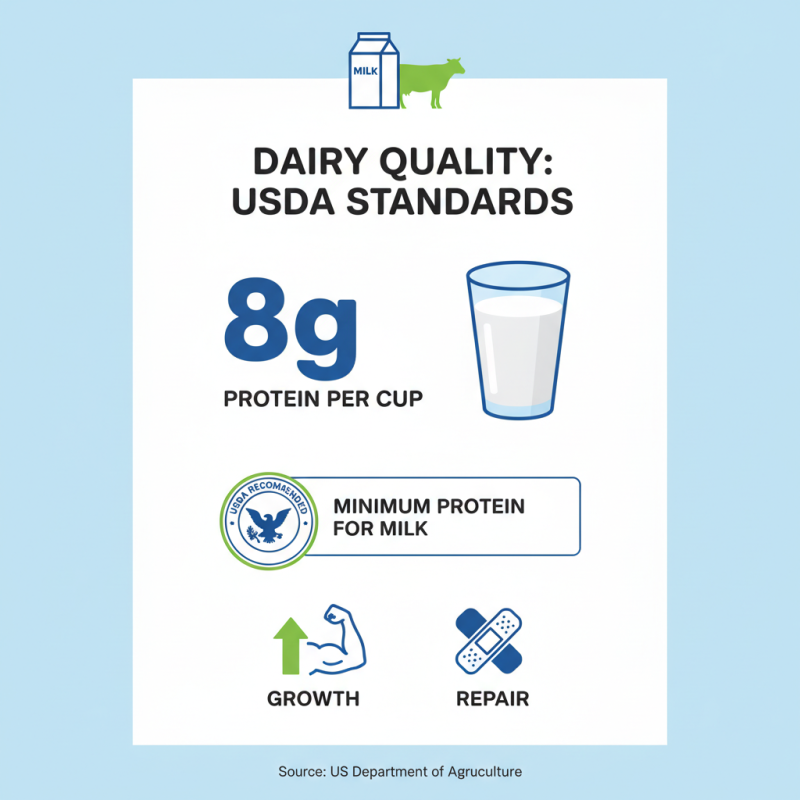
When selecting dairy supplies, assessing their quality is crucial. High-quality dairy products must meet specific nutritional standards. According to the U.S. Department of Agriculture (USDA), milk should contain at least 8 grams of protein per cup. This protein content is essential for both growth and repair in the body.
Beyond protein, consider the fat content. Low-fat and non-fat options are popular for health-conscious consumers. However, full-fat dairy can provide essential fatty acids. The presence of vitamins A and D in whole milk supports bone health. These are often overlooked but vital for overall well-being.
Inspecting the source of dairy is equally important. Transparency in production ensures safety and quality. A 2021 report from the International Dairy Federation highlights the importance of traceability in dairy supply chains. Without it, consumers cannot fully trust the products they purchase. Quality checks and third-party certifications add another layer of assurance. As you explore dairy options, keep these quality indicators in mind.
Evaluating Supplier Reputation and Reliability
When selecting dairy supplies, evaluating the supplier's reputation and reliability is crucial. Start by researching potential suppliers. Look for reviews online. Check out customer testimonials. A strong reputation often indicates a commitment to quality. A good supplier should also be transparent about their sourcing and manufacturing processes.
Consider reaching out directly to past customers. Ask about their experiences. Did they face any issues? How did the supplier handle them? This feedback is invaluable. Also, assess the supplier’s response time and customer service. A reliable supplier will promptly address inquiries. If they are slow to respond, it may reflect their overall service quality.
It's important to recognize that even reputable suppliers can have occasional shortcomings. Perhaps a product didn’t meet expectations. Reflect on those experiences to avoid repeating mistakes. Establishing a trusting relationship with your supplier is vital. Strong communication can help prevent issues in supply continuity, ensuring the best dairy supplies for your needs.
Comparing Prices and Budget for Dairy Supplies
When selecting dairy supplies, budget plays a crucial role. According to industry reports, expenses for dairy production can account for up to 70% of operational costs. Therefore, understanding price variations is vital for any dairy business. Analyze various suppliers to find cost-effective options without compromising quality. Research shows that bulk purchasing can save up to 15% on unit prices. However, ensure that the products meet safety standards. Quality should not be sacrificed for price.
Tips: Always compare at least three suppliers. This will give you a better idea of the market rates.
In addition, consider the total cost of ownership. This includes maintenance, operation, and replacement costs, which often exceed the initial purchase price. Some cheaper supplies may lead to higher long-term expenses due to frequent replacements or performance issues. A survey highlighted that poor-quality equipment can lead to up to a 20% rise in operational costs over time.
Tips: Keep track of your expenses and analyze them periodically to make informed adjustments.
Sourcing Sustainable and Eco-Friendly Dairy Products
When considering sustainable dairy products, think carefully about sourcing. Look for local farms that practice responsible grazing. These farms often prioritize animal welfare and environmental health. Understand the importance of organic farming methods. They usually avoid harmful pesticides. This choice can benefit both your health and the planet.
Evaluate packaging options as well. Zero-waste and biodegradable packaging are ideal. They reduce plastic pollution and ecological footprints. However, finding these options may take time and effort. Not all suppliers offer eco-friendly choices. It’s crucial to ask questions and research thoroughly. Are the products truly sustainable? Don’t settle for less when it comes to quality.
Sourcing sustainable dairy is a journey. It requires reflection on your own values and habits. Adjusting your shopping practices can be challenging. Consider how much packaging waste you create. Small changes can lead to significant impacts over time. Strive for improvement, but remember: perfection isn’t the goal. Each step towards sustainability is valuable.
How to Choose the Best Dairy Supplies for Your Needs? - Sourcing Sustainable and Eco-Friendly Dairy Products
| Product Type | Sourcing Criteria | Sustainability Features | Price Range | Availability |
|---|---|---|---|---|
| Organic Milk | Certified Organic, Non-GMO | Grass-fed, No antibiotics | $3 - $5 per quart | Local Farms, Online |
| Cheese | Artisanal, Local Sourcing | Cage-free, Grass-fed | $5 - $15 per pound | Cheese Shops, Farmers Markets |
| Yogurt | Probiotic Strains, Ethical Production | No artificial flavors, High in protein | $1 - $4 per cup | Grocery Stores, Health Food Stores |
| Butter | Grass-fed Dairy, No artificial ingredients | Small batch production, Pasture-raised | $4 - $8 per pound | Local Markets, Specialty Stores |
Related Posts
-
How to Choose the Best Lactose Free Food for Your Diet?
-
What is Cow Milk and Its Health Benefits for Your Diet?
-

Why Choose Plant Butter for Your Cooking Needs?
-
How to Choose the Best Cow Milk for Your Health and Lifestyle Needs
-

What Are the Health Benefits of Grass Fed Raw Milk?
-
10 Essential Tips for Buying Bulk Butter Successfully