How to Choose the Best Cow Milk for Your Health and Lifestyle Needs
Choosing the right cow milk is essential for maintaining optimal health and adapting to various lifestyle needs. As dairy consumption continues to be a significant aspect of diets worldwide, understanding the nutritional benefits of different types of cow milk can greatly impact health outcomes. According to a report by the United States Department of Agriculture (USDA), cow milk provides essential nutrients, including calcium, protein, and vitamins D and B12, which are crucial for bone health, muscle function, and overall well-being. However, with an increasing variety of cow milk options available—ranging from whole and low-fat to lactose-free and fortified—consumers are often faced with the challenge of determining which choice best aligns with their personal health objectives.
Recent studies have suggested that dietary preferences and restrictions are influencing how people select dairy products. For instance, the International Dairy Federation notes that the lactose intolerance prevalence can be as high as 75% in certain populations, prompting the demand for lactose-free alternatives. Simultaneously, many consumers are becoming more health-conscious, seeking cow milk that is organic or enriched with additional nutrients. By evaluating these factors—such as nutritional content, dietary restrictions, and sustainability—individuals can make informed choices that not only cater to their health needs but also support responsible farming practices. Understanding these aspects is critical for selecting the best cow milk and enhancing overall health and wellness.
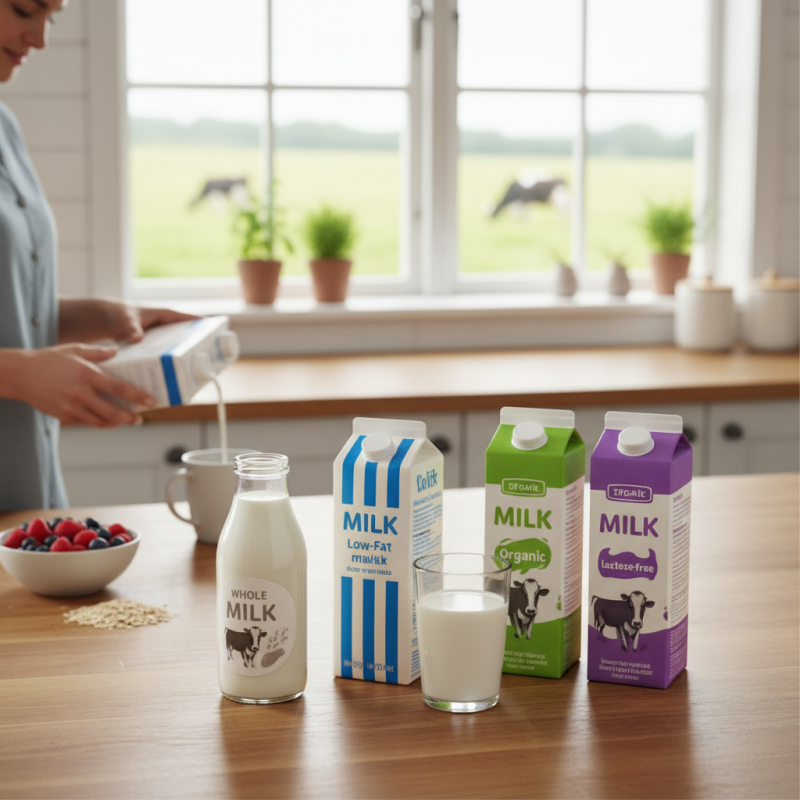
Understanding the Nutritional Components of Cow Milk
When selecting cow milk, it is essential to understand its nutritional components, as these elements can significantly impact your health and lifestyle choices. Cow milk is a rich source of essential nutrients, including calcium, protein, vitamin D, and various B vitamins. Calcium and vitamin D play crucial roles in maintaining bone health, while protein is vital for muscle repair and growth. Moreover, the presence of B vitamins supports energy production and metabolic processes.
Beyond these primary nutrients, cow milk also contains beneficial fats, including omega-3 and omega-6 fatty acids, which contribute to heart health and cognitive function. It's important to note that the fat content in milk can vary, leading to options like whole milk, reduced-fat, and skim milk. Choosing the right type depends on personal health goals; for instance, full-fat milk may be preferable for those looking to increase calorie intake or support weight gain, while lower-fat options might be better for individuals monitoring their saturated fat consumption.
In addition to traditional cow milk, there are alternative options available, such as lactose-free varieties for those with lactose intolerance. Understanding these nutritional components will enable you to make an informed decision that aligns with your dietary needs, preferences, and overall health aspirations.
Types of Cow Milk: Whole, Skim, Organic, and More
When considering the best type of cow milk for your health and lifestyle, it's essential to understand the various options available. Whole milk, for instance, retains all its fat content, which can be beneficial for those seeking to
increase their caloric intake. According to a recent health report, whole milk is linked to a higher satisfaction level and can aid in weight management by promoting satiety. It contains
essential nutrients such as calcium and vitamins A and D, making it a valuable choice for growing children and active adults.
On the other hand, skim milk has gained popularity among health-conscious individuals due to its lower fat and calorie content. It appeals particularly to those trying to reduce fat intake while still enjoying a nutrient-rich beverage. Studies have shown that skim milk maintains a high protein content, supporting muscle health without the added calories from fat. Organic milk is another alternative that many consumers are gravitating towards. It is produced without synthetic pesticides or fertilizers, ensuring a more natural product that some studies suggest may have a higher antioxidant content compared to conventional milk.
Tips: When selecting cow milk, consider your dietary needs and personal preferences. If you're looking for a more nutrient-dense option, whole milk might be suitable, while those on a calorie-restricted diet could benefit from skim milk. Additionally, opting for organic milk may not only support your health but also contribute to sustainable farming practices. Always check for certifications and the sourcing of the milk to ensure quality and safety.
Assessing Lactose Intolerance and Dairy Alternatives
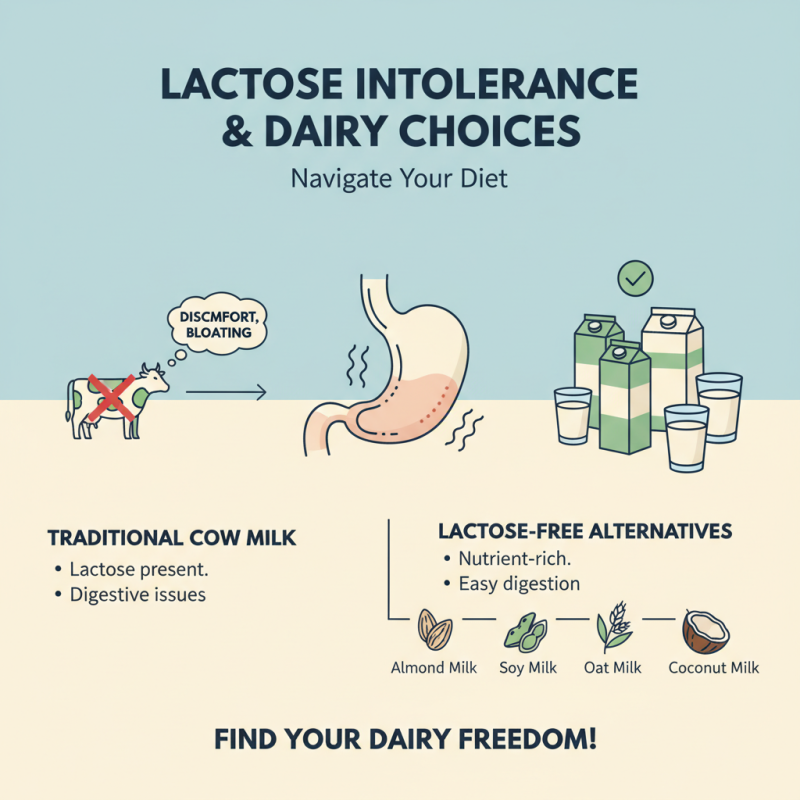
Lactose intolerance affects a significant portion of the population, making it crucial to understand how it can influence your dairy consumption choices. Individuals with lactose intolerance often experience discomfort, bloating, and digestive issues when consuming traditional cow milk. To accommodate these sensitivities, many people seek alternatives that can provide similar nutritional benefits without the associated side effects.
Fortunately, there are numerous dairy alternatives available today that cater to those with lactose intolerance. Options such as almond milk, soy milk, oat milk, and coconut milk offer various flavors and textures while maintaining a lower lactose content. Each alternative brings its own set of nutritional profiles and health benefits, such as higher fiber content in oat milk or additional protein in soy milk. Therefore, it’s essential to assess your health goals and lifestyle needs when selecting the best dairy alternative, ensuring it aligns with your dietary preferences and nutritional requirements.
Reading Labels: What to Look for in Cow Milk Products
When selecting cow milk products, reading labels is crucial. The first thing to check is the fat content. Milk typically comes in several varieties, including whole, 2%, 1%, and skim. Depending on your dietary needs and health goals, choose the fat content that aligns with your lifestyle. For those watching their calories or fat intake, reduced-fat or skim options may be more suitable.
Another important aspect to consider is the presence of added sugars or flavorings. Many flavored milks or creamers contain unnecessary sugars that can detract from the health benefits of the milk. Always aim for products labeled as "unsweetened" or "no added sugar" to maintain a healthier diet. Pay attention to the ingredient list as well; a shorter list with recognizable ingredients is typically a better choice.
**Tips**: Look for milk fortified with vitamin D and calcium if you're aiming to boost your bone health. Additionally, consider organic options if you're concerned about pesticides, as these products generally come from cows that are raised without synthetic hormones or antibiotics. Lastly, if you're lactose intolerant, check for lactose-free options which have the same nutritional benefit without the digestive discomfort.
Comparison of Nutritional Content in Different Types of Cow Milk
Choosing Cow Milk Based on Personal Health Goals and Lifestyle
When choosing cow milk, it is essential to align your selection with your personal health goals and lifestyle choices. For instance, individuals seeking to boost their calcium intake for bone health may opt for whole or fortified milk. According to the National Dairy Council, a single serving of cow milk contains approximately 300 mg of calcium, which is vital for maintaining strong bones and preventing osteoporosis. Additionally, the protein content in cow milk, around 8 grams per cup, supports muscle repair and growth, making it a suitable option for those engaged in regular physical activity or strength training.
On the other hand, lactose intolerance affects a significant portion of the global population; estimates suggest that about 68% of the world's population may experience some degree of lactose malabsorption. For those individuals, lactose-free cow milk is an excellent alternative that provides similar nutritional benefits without the discomfort associated with lactose. Moreover, the growing trend towards plant-based lifestyles has also led to the emergence of organic and grass-fed cow milk options, which are often perceived as healthier by consumers seeking cleaner, more sustainable food sources. These variants can provide higher levels of omega-3 fatty acids and other beneficial nutrients, aligning with the health aspirations of environmentally conscious buyers.
How to Choose the Best Cow Milk for Your Health and Lifestyle Needs
| Milk Type | Fat Content | Protein Content (g per 1 cup) | Calories (per 1 cup) | Best For |
|---|---|---|---|---|
| Whole Milk | 3.25% | 8 | 150 | Growing Children, Weight Gain |
| 2% Milk | 2% | 8 | 120 | Balanced Diet, Moderate Weight |
| 1% Milk | 1% | 8 | 100 | Weight Loss, Heart Health |
| Skim Milk | 0% | 8 | 80 | Caloric Restriction, Low Fat Diets |
| Lactose-Free Milk | Varies | 8 | 100-150 | Lactose Intolerance |