How to Choose Slip Resistant Concrete for Your Project?
Choosing the right Slip Resistant Concrete for your project is crucial for safety and functionality. According to a study by the National Institute for Occupational Safety and Health (NIOSH), slip and fall incidents account for over 30% of construction injuries. This highlights the importance of having a reliable surface that minimizes those risks.
"Slip Resistant Concrete can significantly enhance safety in high-traffic areas," says Dr. Kevin Watkins, a leading expert in concrete technology. His insights reinforce the need for thorough evaluation when selecting materials. Many projects overlook the significance of surface texture and finish. This can lead to future complications and increased liability.
It's essential to consider factors such as aggregate type and concrete formulation. Not all slip resistant concrete is created equal. Inadequate research may result in poor traction in wet conditions. Recognizing these details can make a huge difference in a project’s success. Engaging with industry experts and understanding specific requirements is key.
Understanding Slip Resistance in Concrete Materials
When selecting slip-resistant concrete, understanding slip resistance is crucial. Slip resistance refers to how effectively a surface prevents slips and falls. This is especially important in areas prone to moisture, like walkways and pool decks. A surface with higher slip resistance provides better safety in wet conditions.
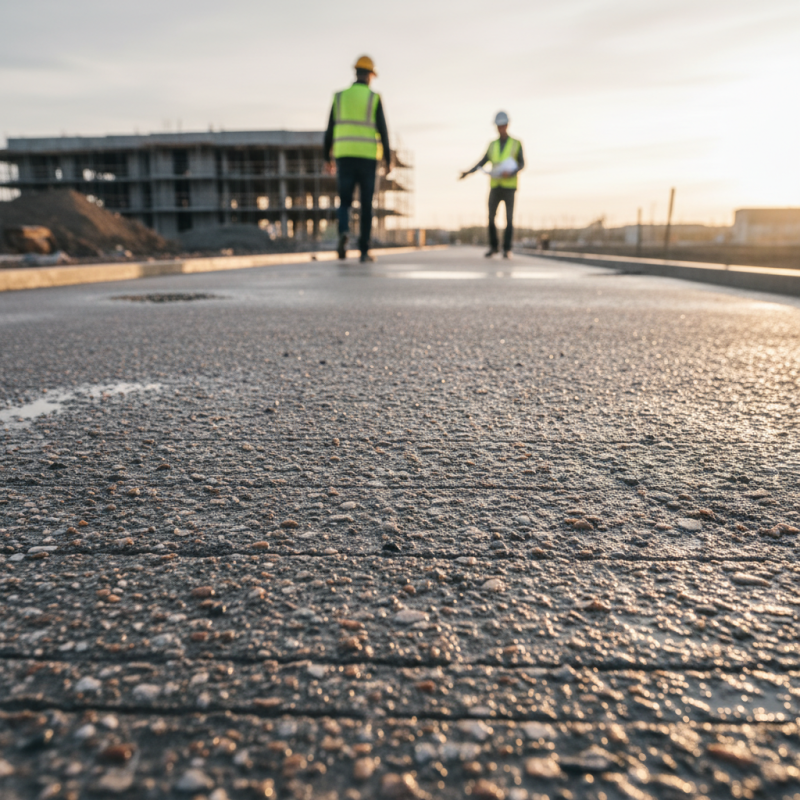
Several factors influence slip resistance. The texture of the concrete plays a significant role. Rougher surfaces tend to offer better grip. However, too much texture can make cleaning difficult. It's a balance that needs careful consideration. The type of aggregate used can also impact slip resistance. Some aggregates provide added traction, while others might not.
Testing for slip resistance is an essential practice. Various tests, like the ASTM C1028, measure the coefficient of friction. This number helps determine how slippery a surface might be. Understanding these details can help you make informed decisions. It’s important to reflect on the specific environment where the concrete will be used. Different locations require different solutions.

Slip Resistance Ratings of Different Concrete Types
Assessing the Environmental Conditions of Your Project Site
When assessing environmental conditions at your project site, several factors must be considered. Temperature variations can influence the curing of concrete, affecting its slip resistance. According to a report by the American Concrete Institute, temperatures below 50°F can lead to inadequate curing, reducing the concrete's performance.
Moisture levels also play a critical role. Excess moisture can create a slippery surface, making it essential to measure humidity before starting your project. The National Ready Mixed Concrete Association suggests that surfaces exposed to wet conditions need special texturing to enhance grip. Evaluating drainage patterns can prevent water accumulation and reduce slip hazards.
Additionally, potential contaminants must be identified. Oils, chemicals, or organic matter on the surface can compromise slip resistance. A study from the Concrete Research Journal noted that properly textured concrete can significantly lower slip-and-fall accidents. This highlights the need for a tailored approach to each project based on site conditions, which is often overlooked.
Evaluating Different Slip Resistant Concrete Options Available
When evaluating different slip-resistant concrete options, consider the surface texture. Textured finishes can significantly enhance grip. Options include broom finishes, exposed aggregate, and stamped concrete. These textures provide varying levels of traction. A broom finish offers a rough surface, ideal for driveways. Exposed aggregate features stones that create both beauty and grip.
Another factor to consider is the material’s slip resistance rating. Look for values provided by the American National Standards Institute (ANSI). Ratings below 0.5 are often slippery when wet. Higher ratings, like those over 0.7, provide better grip. It’s essential to test samples in a real-world setting. What works well in a lab may not perform the same on site.
Environmental factors also play a role. Areas that experience heavy rain or snow require more slip-resistant surfaces. Concrete infused with additives can help. These additives can improve traction while maintaining aesthetic appeal. Be aware that some solutions may require maintenance over time. It's worth considering the long-term costs versus immediate benefits. Be proactive about your choices for safety and durability.
Selecting Appropriate Finishes and Textures for Enhanced Safety
Choosing the right finishes and textures for slip-resistant concrete is vital for safety. A smooth surface might look appealing, but it can become a hazard when wet. According to the American Concrete Institute, 60% of falls occur in slippery conditions. Implementing textures can significantly reduce this risk.
Textured finishes can enhance the grip on concrete. Options like broom finishes or exposed aggregates can create effective friction. These finishes often provide up to a 0.6 coefficient of friction, exceeding safety standards. A study by the National Floor Safety Institute emphasizes that textured surfaces can decrease slip incidents by 30%. However, the right texture should be selected based on the specific environment.
Visual aesthetics shouldn't come at the expense of safety. Sometimes, clients opt for attractive but smooth surfaces. It’s essential to balance beauty and functionality. Custom textures can be appealing yet safe. An ideal surface promotes confidence while walking, especially in high-traffic areas or around pools. Engagement with experts in concrete design can lead to insightful choices that prioritize both safety and style.
How to Choose Slip Resistant Concrete for Your Project? - Selecting Appropriate Finishes and Textures for Enhanced Safety
| Finish Type | Texture Profile | Slip Resistance Rating (ASTM) | Ideal Applications | Maintenance Level |
|---|---|---|---|---|
| Broom Finish | Rough, Linear Texture | 0.6+ | Sidewalks, Driveways | Low |
| Exposed Aggregate | Varied Stone Appearance | 0.8+ | Patios, Pool Decks | Medium |
| Stamped Concrete | Patterned, Textured | 0.7+ | Driveways, Walkways | Medium |
| Polished Concrete | Sleek, Smooth Finish | 0.5+ | Commercial Spaces, Retail | High |
| Textured Overlay | Customizable Texture | 0.6+ | Residential, Commercial | Medium |
Consulting Experts for Installation and Maintenance Best Practices
Choosing slip-resistant concrete for your project involves careful consideration and expert advice. When it comes to installation, consulting with professionals can make a significant difference. They possess the experience to guide you in selecting the right materials. Each project is unique, and what works for one may not work for another. Understanding the specific environment and usage is key.
Expert advice spans beyond just installation. It also covers maintenance practices that ensure your concrete remains slip-resistant over time. Regular assessments can help identify early signs of wear and tear. This proactive approach can save you from costly repairs later. Don't overlook the importance of proper cleaning routines; some methods can degrade the slip-resistant properties.
There are challenges you might face. Not all surfaces respond the same way to treatments. Some may require frequent reapplication, while others remain effective for years. It's essential to evaluate the long-term effectiveness of any choice made. Engaging with experts provides a range of insights that can lead to more informed decisions. Balancing aesthetics and safety can be tricky but is necessary for a successful outcome.
