How to Choose the Best Vibratory Feeding Equipment in China?
Choosing the right vibratory feeding equipment in China can be daunting. The market is filled with various options. Each type offers distinct advantages and challenges. It's essential to understand these nuances when making a decision.
Quality and efficiency are vital. Reliable vibratory feeding equipment directly impacts production lines. However, it's important to note that not every supplier guarantees excellence. Researching suppliers thoroughly can reveal hidden risks. Some may not provide adequate support or service post-purchase.
Additionally, understanding specific application needs is crucial. A one-size-fits-all approach rarely works in industrial settings. Take time to assess your requirements. Compare features and pricing among different brands. This diligence ensures that your investment in vibratory feeding equipment in China meets your expectations. Ultimately, thoughtful choices lead to better operational efficiency and productivity.
Understanding Vibratory Feeding Equipment and Its Applications
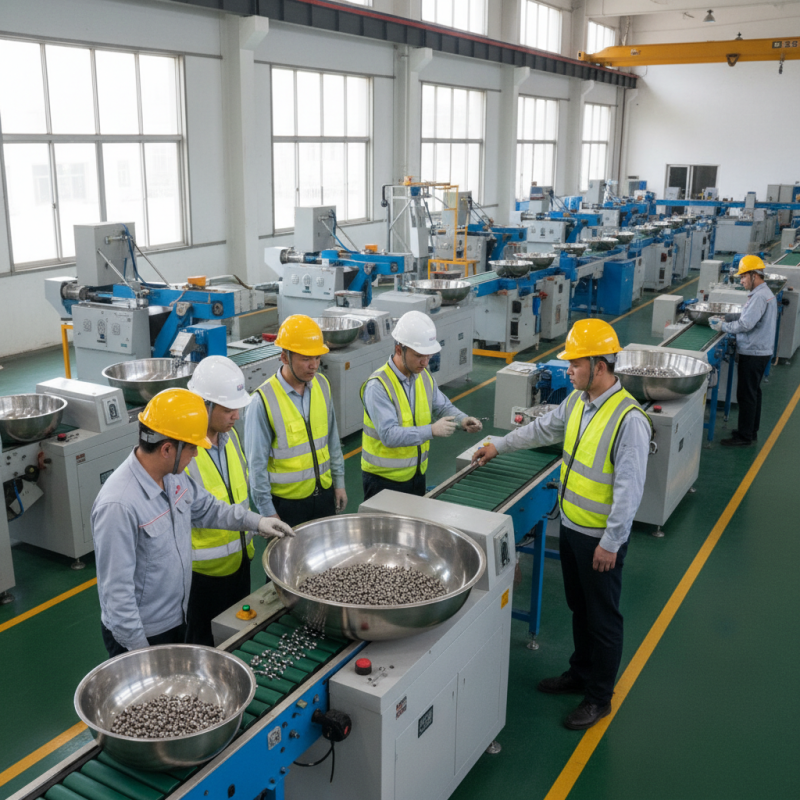
Vibratory feeding equipment plays a crucial role in various industries. It efficiently delivers materials to processing units, enhancing workflow. Manufacturers use it in food, pharmaceuticals, and packaging. The equipment reduces manual labor, improving productivity. Furthermore, it minimizes product damage during transfer.
Understanding the applications of vibratory feeders is vital. These machines adjust to different materials, whether granular, powder, or bulk. Each feeder type has unique designs, impacting its performance. The design ensures precise control over feed rates and material flow. However, resolving compatibility issues requires expertise. Certain materials may not fit well with all feeder types.
In choosing the right equipment, reflect on specific needs. Analyze material characteristics, desired outputs, and operational efficiency. A mismatch can lead to increased downtime. Regular assessment of equipment performance also helps. Seek feedback from operators to identify potential improvements.

Key Factors to Consider When Choosing Vibratory Feeders
When considering vibratory feeding equipment in China, several key factors come into play. The capacity and efficiency of the feeder are primary concerns. Assess the material that will be fed and the speed required. Different materials may require different feeding speeds and vibration levels.
Tips: Take time to analyze your production needs. If you rush this step, you might select an ineffective feeder. It can lead to operational delays or material wastage.
Another significant aspect is the feeder’s durability and maintenance requirements. A robust design often translates to lower long-term costs. Check for materials used in construction. They should resist wear and tear from continuous use.
Tips: Always inquire about maintenance schedules. Neglecting this can lead to unexpected breakdowns. While it may seem easy to overlook, regular maintenance is crucial for consistent performance.
Lastly, pay attention to the supplier’s reputation. An experienced supplier can offer valuable insights. They should demonstrate reliability and support. A supplier’s past performance can significantly influence your choice.
Tips: Research suppliers thoroughly. Customer reviews can reveal potential issues. This reflection process might save you from future headaches.
Different Types of Vibratory Feeding Equipment Available in China
Vibratory feeding equipment is crucial in various industries, especially in manufacturing and processing. In China, users can choose from several types. Each type serves specific functions and industries. Understanding these functions is vital to making the right choice.
Evaluating Supplier Reliability for Vibratory Feeding Equipment
When selecting vibratory feeding equipment, assessing supplier reliability is crucial. A trustworthy supplier ensures quality and performance in your operations. Begin by examining the supplier's experience in the industry. Long-standing suppliers usually have a better understanding of the market and customer needs.
Next, look at their certifications and adherence to industry standards. Reliable suppliers often have appropriate certifications. These demonstrate their commitment to quality and safety. Additionally, consider customer reviews and testimonials. Genuine feedback reveals the supplier's strengths and weaknesses. It helps gauge their reliability and support.
Don't forget after-sales service. A supplier who provides strong support after the sale is invaluable. This reflects their confidence in the equipment and commitment to customer satisfaction. However, be aware that some suppliers may not respond promptly. Refining your choice may take effort, but it is essential for long-term success.
Maintenance and Support Services for Optimal Equipment Performance
Regular maintenance is crucial for vibratory feeding equipment. This type of equipment often faces wear and tear due to continuous operation. Industry reports suggest that proper upkeep can enhance the lifespan of these machines by up to 30%. Scheduled checks can identify issues before they escalate. For instance, loose bolts or misalignments should be addressed promptly. Neglecting these can lead to costly downtimes.
Support services also play a vital role. Many manufacturers offer training for operators. Well-trained staff can spot potential problems early, reducing repair costs. According to recent surveys, companies with solid maintenance training programs see a 20% reduction in operational failures. Moreover, leveraging the expertise of technicians can improve performance metrics. Regular support not only ensures optimal functionality but also increases productivity.
With rapidly evolving technology, equipment may require updates. Companies should evaluate whether their current systems can integrate new features or need replacement. Staying informed about advancements can help businesses make better decisions. Balancing between maintenance and technological updates is delicate. It’s essential to reassess strategies regularly to adapt to industry changes.
