How to Choose the Best Grass Fed Butter for Your Healthy Diet?
Choosing the best grass fed butter is essential for a healthy diet. Recent studies show that grass fed butter contains 25% more vitamin A and 13% more omega-3 fatty acids compared to conventional butter. These nutrients support brain health and immune function. With the rise in popularity of grass fed products, consumers need to be informed.
Not all grass fed butter is created equal. Some products may claim to be grass fed but don’t meet rigorous standards. The key is to look for certifications. The American Grassfed Association provides reliable labels ensuring genuine grass fed practices.
Taste is another important factor. Grass fed butter typically has a richer flavor profile, thanks to the cows’ natural diets. However, variations exist, and some brands may lack depth in taste. Evaluating multiple options can lead to a better choice. It's advisable to read reviews and try different brands. This way, you'll find the one that fits your preferences best.
Understanding Grass Fed Butter and Its Health Benefits
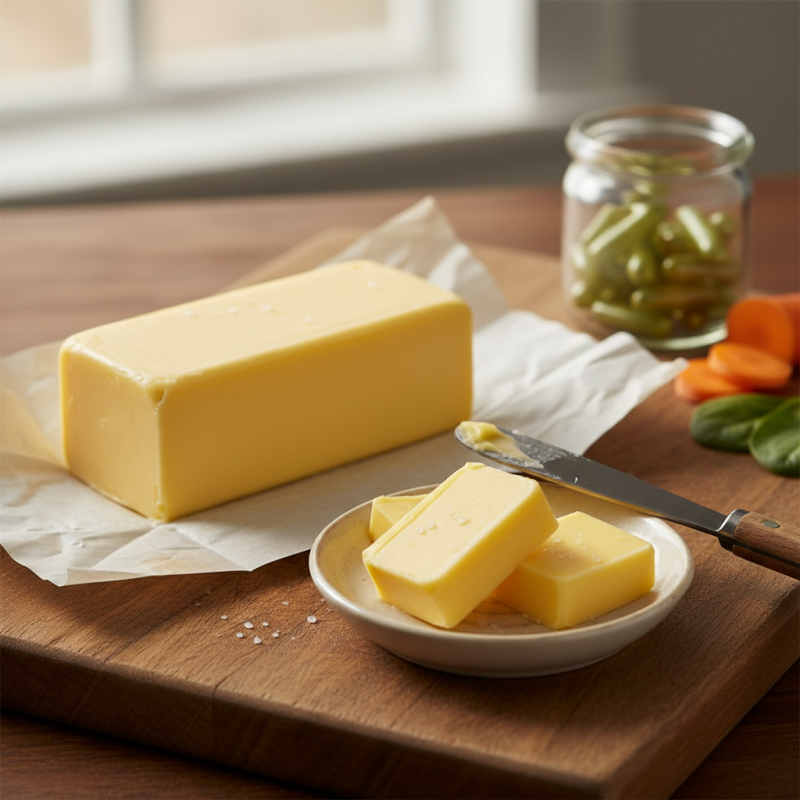
Grass-fed butter is gaining attention for its potential health benefits. Many
health-conscious consumers prefer this dairy product due to its
richer nutrient profile compared to regular butter. According to a report from the
Grass-fed Federation, butter from grass-fed cows contains up to
500% more conjugated linoleic acid (CLA), which may support weight management
and promote heart health.
These cows primarily eat grass and forage, which enhances the quality of the butter they produce.
Research published in the Journal of Dairy Science states that grass-fed butter tends to
have higher levels of Omega-3 fatty acids. These fatty acids are essential
for brain function and may reduce inflammation. Furthermore, the presence of fat-soluble vitamins such as A, D, and E
makes grass-fed butter a wholesome addition to a healthy diet.
Tips: When shopping for grass-fed butter, examine the packaging.
Look for certifications that verify the butter is truly grass-fed. Pay attention to color; a deep yellow hue
often indicates higher beta-carotene levels. If budget constraints are an issue, consider buying in bulk or
exploring local farms. Remember, while grass-fed butter offers health advantages, moderation is key, as it is
still a high-calorie food.
Key Factors to Consider When Selecting Grass Fed Butter
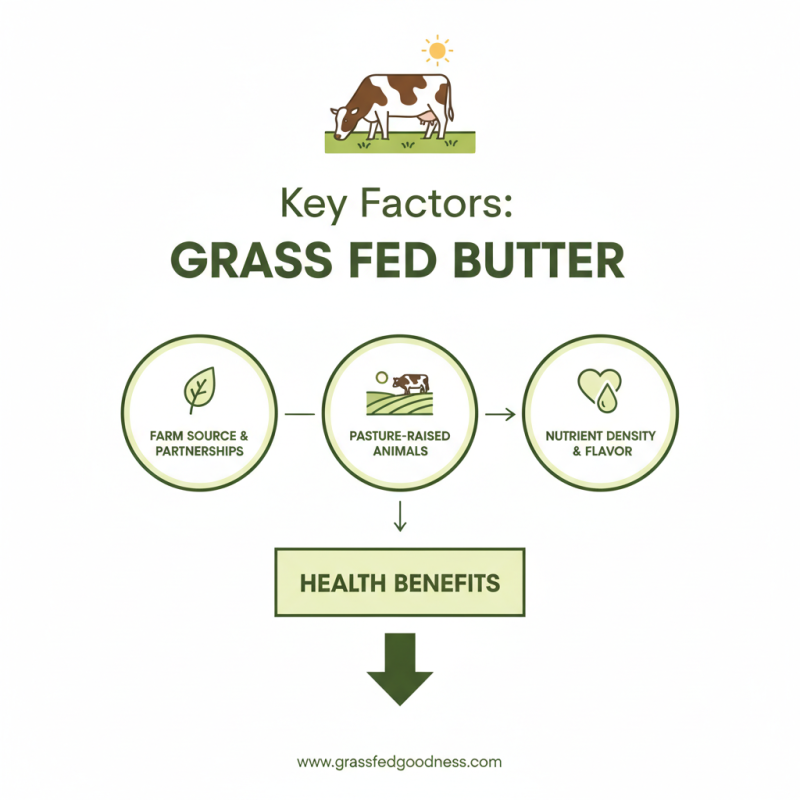
When selecting grass-fed butter, several key factors deserve attention. The source of the butter plays a huge role. Look for brands that specify the farms they partner with. Knowing the animals are raised on pasture ensures higher nutrient content. This can lead to better flavor and health benefits.
Next, pay attention to the color of the butter. High-quality grass-fed butter tends to be a vibrant yellow. This coloration usually comes from the carotenoids found in grass. It’s a sign of a healthier diet for the cows. Additionally, examine the packaging for details about the butter’s nutritional profile. A higher concentration of vitamins A, D, and K2 is desirable.
Lastly, consider the texture and taste. It should be creamy and rich. Some people find grass-fed butter to be slightly different in flavor than conventional butter. This can be a cause for reflection. It might take time to adjust to the taste. Always trust your palate, even if it leads you to a different preference. Choosing the right grass-fed butter requires careful thought and an adventurous spirit.
Reading Labels: Identifying Quality in Grass Fed Butter Products
When searching for quality grass-fed butter, reading labels is crucial. Many products claim to be "grass-fed," but that term can be misleading. Look for certified grass-fed labels. This ensures the cows were raised on pasture and fed a natural diet.
It's also important to check the ingredient list. Pure butter should have minimal ingredients. Aim for no additives or artificial flavors. This reflects quality and freshness. Ingredients also indicate the processing level. Less processing often means better health benefits.
Tips: Always choose butter that lists “100% grass-fed” clearly. Choose organic options for fewer pesticides. Research the brand's sourcing practices for transparency. Keeping an eye on packaging can reveal much about butter’s quality, like the type of feed and animal treatment. Not all brands meet high standards, so skepticism is healthy here. Look for inconsistent claims that may need reflection.
Comparing Brands: Which Grass Fed Butter Offers the Best Nutrition?
Choosing the best grass-fed butter involves understanding nutritional differences among brands. Grass-fed butter typically contains higher levels of omega-3 fatty acids compared to conventional butter. A study found that grass-fed butter can have up to 500% more omega-3s, supporting heart health and reducing inflammation.
When evaluating brands, look at the fatty acid profile. Many grass-fed butters offer a better balance between omega-6 and omega-3 fats. A ratio closer to 1:1 is ideal. Some brands also emphasize the presence of vitamins A, D, and K2. These vitamins are essential for bone and heart health. Third-party testing can provide more insights into nutrient levels.
Transparency in sourcing is crucial. Farmers that prioritize animal welfare and organic practices often produce higher-quality butter. However, consumers may find inconsistent labeling practices. This can lead to confusion about the true nutritional value. Buyers should always examine ingredient lists and certifications to ensure they choose a reputable product. Your choices can impact both personal health and ethical farming practices.
How to Choose the Best Grass Fed Butter for Your Healthy Diet? - Comparing Brands: Which Grass Fed Butter Offers the Best Nutrition?
| Nutritional Aspect | Brand A | Brand B | Brand C |
|---|---|---|---|
| Calories (per tbsp) | 100 | 95 | 105 |
| Total Fat (g) | 11 | 10 | 12 |
| Saturated Fat (g) | 7 | 7 | 8 |
| Vitamin A (% DV) | 15 | 20 | 18 |
| Omega-3 (g) | 0.1 | 0.2 | 0.15 |
| Price (per lb) | $6.99 | $5.49 | $7.49 |
Incorporating Grass Fed Butter into a Balanced Diet Practical Tips
Incorporating grass-fed butter into your balanced diet can enhance both flavor and nutrition. This type of butter is rich in beneficial omega-3 fatty acids and vitamins A, D, and K2. These nutrients support heart health and immune function. Start small by swapping regular butter for grass-fed butter in your recipes. The creamy texture and rich taste can elevate your dishes.
Consider adding grass-fed butter to your morning coffee or tea. This practice, known as bulletproof coffee, may provide sustained energy and mental clarity. Spread it on whole grain toast or drizzle over steamed vegetables to enhance their flavor. Keep in mind that moderation is key. While grass-fed butter is healthier, it is still calorie-dense. Be mindful of portion sizes to align with your nutrition goals.
Experimenting with grass-fed butter requires patience. It can take time to adjust to its unique taste. Reflect on how your body responds to these changes. Some might notice improved digestion, while others may not feel a difference. Listening to your body’s signals is essential for finding what works best for you. Enjoy the process of incorporating this nutritious ingredient into your meals.
Related Posts
-
2026 Top Benefits of Grass Fed Butter for Your Health and Diet?
-
2026 Top Trends in Milk Cream Products for Delicious Recipes?
-

How to Choose the Best Dairy Supplies for Your Needs?
-
What Are the Essential Milk Ingredients You Should Know?
-
2026 Top Plant Butter Brands and Their Health Benefits
-

What is Bulk Milk and How is it Used in Dairy Industry?