What is a Candy Cutter Machine and How Does it Work?
The Candy Cutter Machine plays a crucial role in the confectionery industry. This innovative equipment is designed to efficiently cut candies into uniform pieces. It helps manufacturers maintain quality and consistency. With a Candy Cutter Machine, the tedious manual labor of cutting is greatly reduced. This allows for faster production rates.
Understanding how this machine works is essential for businesses in the candy-making sector. It operates by using sharp blades and precise mechanisms to slice candies without damaging them. The machine ensures that all pieces are the same size, enhancing the overall presentation of the product. However, even the best machines can sometimes fail, leading to inconsistencies.
Proper maintenance and regular checks are vital for optimal performance. If not maintained, a Candy Cutter Machine can produce subpar results. Manufacturers must be vigilant and invest time in training staff. This ensures they understand both the operation and upkeep of the equipment. Such investment can lead to improved productivity and higher quality candies.
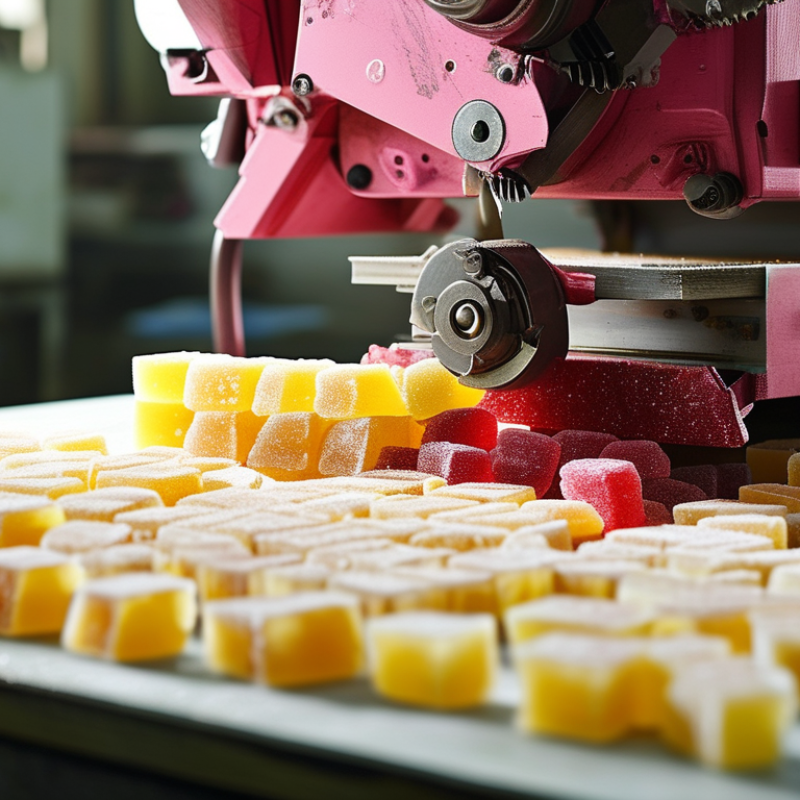
What is a Candy Cutter Machine and Its Role in Confectionery Production
A candy cutter machine plays a crucial role in the confectionery production process. These machines help create uniform candy pieces that appeal to consumers. With precision engineering, they ensure each piece has the same shape and size. This consistency is essential for branding and customer satisfaction.
The machine generally consists of a conveyor system, cutting blades, and a control panel. Operators can adjust settings for various candy types, from gummies to hard candies. Observing the cutting process allows for quick adjustments to maintain product quality. However, operators sometimes face challenges, such as blade wear or machine jamming. These issues can disrupt production and require effective troubleshooting.
Using a candy cutter machine not only improves efficiency but also enhances creativity in candy making. Manufacturers can experiment with different shapes, expanding product lines. It’s important for producers to continually assess machine performance. Regular maintenance can prevent unexpected breakdowns, ensuring a smooth operation.

Key Components of Candy Cutter Machines: An Overview
Candy cutter machines play a vital role in the confectionery industry. They are designed to slice and shape various types of candies with precision. Key components in these machines ensure efficiency and consistency in candy production.
One essential part is the cutting mechanism. This feature typically includes sharp blades that can adjust to different candy types and sizes. The blades need regular sharpening and maintenance to operate effectively.
Another critical component is the conveyor system. This component transports candies smoothly through the cutting area. If the conveyor speed is not calibrated, it can lead to uneven cuts.
Moreover, the control panel is vital for operating the machine. This panel allows operators to set cutting parameters and monitor performance. An inexperienced operator may not always fully understand the settings, which could result in wasted candy or downtime. Understanding these components helps improve the production process and ensures quality control in every batch.
Mechanism of Action: How Candy Cutters Slice and Shape Confectionery
Candy cutters are fascinating machines. They play a crucial role in the confectionery industry. These devices slice and shape candies into uniform sizes. The process begins with a molten candy mixture, which is poured into molds.
Once the mixture cools, the candy cutter mechanism activates. It utilizes sharp blades or wires to swiftly cut the candy. This action requires precise timing and pressure. Often, operators must adjust settings for different candy types. The resulting pieces are consistent, ensuring a high-quality product. But achieving perfection is not always easy. Sometimes, misalignment occurs, leading to uneven pieces.
The candy cutter holds the potential to enhance productivity. However, manufacturers must regularly inspect their machines. Maintenance ensures efficiency and prevents breakdowns. In the fast-paced candy production environment, even a minor issue can disrupt operations. Workers must be trained to handle these situations effectively. This skill is essential for maintaining output quality and safety.
What is a Candy Cutter Machine and How Does it Work?
| Feature | Description | Function |
|---|---|---|
| Cutting Mechanism | Utilizes sharp blades or wires to slice through candy material. | Enables precise cutting shapes and sizes for uniform pieces. |
| Material Compatibility | Designed to work with various types of candy, including gummies, hard candies, and chocolates. | Allows manufacturers to diversify their product offerings. |
| Automation Level | Can be fully automated for high production rates or semi-automated for smaller batches. | Increases efficiency and reduces labor costs. |
| Adjustable Settings | Features adjustable blade height and cutting speed for different candy types. | Ensures optimal cutting conditions based on specific recipes. |
| Safety Features | Includes safety guards and emergency stop buttons. | Protects operators from potential injuries during operation. |
Operational Metrics: Efficiency and Speed in Candy Cutting Processes
The candy cutter machine is a crucial device in the confectionery industry. Its design directly influences production efficiency and speed. Efficient operation is essential for meeting high demand. The machine cuts candy into uniform sizes, ensuring consistency. This consistency promotes quality and enhances customer satisfaction.
Operational metrics are vital in evaluating a candy cutter's performance. Speed refers to the number of candies cut per minute. A well-calibrated machine can boost productivity significantly. Efficiency involves energy consumption versus output quality. Ideally, a balance between speed and efficiency should be maintained. However, pushing for maximum speed can lead to inaccuracies in cutting, resulting in waste.
Operators need to monitor these metrics regularly. Adjustments may be necessary to optimize operations. Over time, wear and tear on the machinery can affect performance. Regular maintenance helps maintain efficiency levels. Being attentive to these details is crucial for long-term success. The candy cutter's role is both complex and rewarding.
Industry Applications: Candy Cutter Machines in Diverse Food Manufacturing
Candy cutter machines play a vital role in food manufacturing. These machines are designed to efficiently cut various types of candies into uniform sizes. Their precision ensures that production processes remain consistent and high-quality. In the confectionery industry, where presentation is key, well-cut candies enhance visual appeal and make them more marketable.
The versatility of candy cutter machines allows them to be used in diverse applications. They can process hard candies, gummies, and even chocolates. Each type of candy requires specific cutting techniques and settings. Understanding these requirements is crucial for manufacturers aiming for efficiency and quality. Adjustments in speed and cutting depth can significantly impact the final product.
**Tips:** Pay attention to maintenance schedules. Regular cleaning helps maintain performance. Experiment with settings for various candies to find the optimal cutting configuration. Document your processes; it can help identify areas for improvement. Maintain records of any problems during production to refine machine usage.
Through careful operation and attention to detail, manufacturers can significantly improve output and product quality. Keep in mind that flexibility in machine settings can lead to better efficiency. Always seek ways to optimize your production line while ensuring high standards.
