What is Bulk Milk and How is it Used in Dairy Industry?
Bulk milk plays a crucial role in the dairy industry. It refers to large quantities of milk produced, collected, and transported in a cost-effective manner. According to the Dairy Industry Association, the bulk milk market is growing annually by 4%, highlighting its significance.
Dr. Laura Stevens, a dairy industry expert, notes, "Bulk milk is the backbone of dairy supply chains." This statement reflects the importance of bulk milk in ensuring fresh dairy products reach consumers. It allows for efficient processing, reducing waste and maximizing resources. However, challenges persist. Maintaining quality during transportation remains an issue.
In addition, bulk milk collectors often face fluctuations in demand and pricing. These factors can impact farmers’ revenue and industry stability. As bulk milk continues to dominate the market, stakeholders must adapt to these challenges. Ensuring sustainable practices in production and transportation will be vital for future growth.
Definition and Characteristics of Bulk Milk in the Dairy Industry
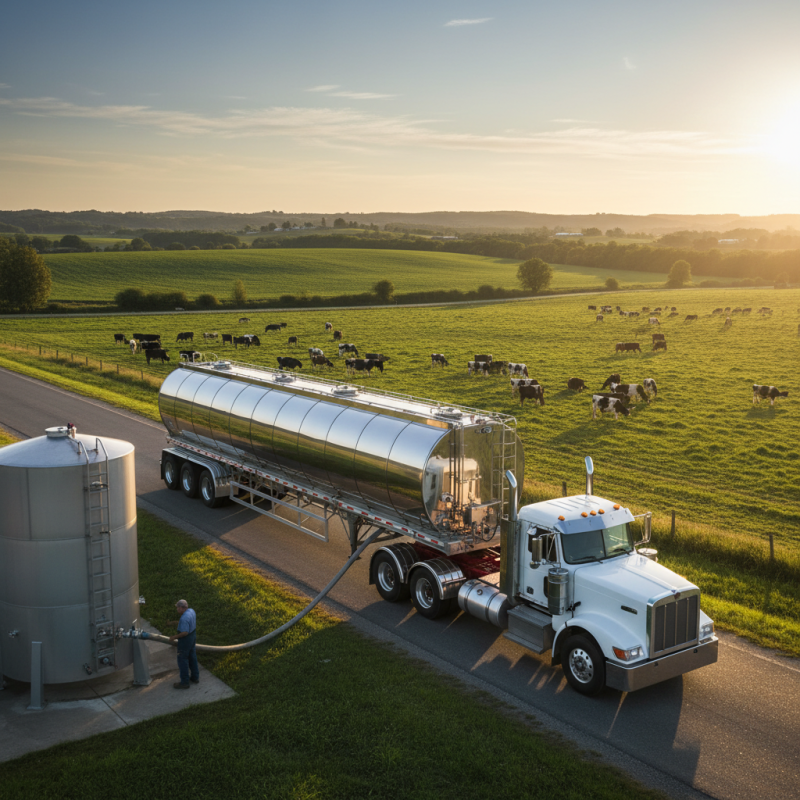
Bulk milk is a crucial component in the dairy industry. It refers to large quantities of milk collected from multiple dairy farms. This milk is not packaged but stored in large tanks for processing. It typically contains around 3.5% fat and 8.7% solids, which are vital for dairy products like cheese and yogurt.
Processing bulk milk involves pasteurization. This kills harmful bacteria while preserving nutrients. According to industry reports, over 200 billion liters of milk are processed annually in the U.S. alone. The versatility of bulk milk allows manufacturers to create a variety of products, catering to diverse consumer needs.
Tips: When handling bulk milk, maintain strict hygiene standards. Contamination can happen easily. Check temperature controls regularly; they should remain between 1-4 degrees Celsius.
It's valuable to note that while bulk milk is critical, dairy waste management presents challenges. As farmers consolidate, waste can increase. This requires thoughtful strategies to minimize environmental impact. Farmers must continuously adapt to balance production efficiency and sustainability.
What is Bulk Milk and How is it Used in Dairy Industry?
| Characteristic | Description |
|---|---|
| Definition | Bulk milk refers to large quantities of milk collected from dairy farms for processing and distribution. |
| Volume | Typically measured in liters or gallons, with delivery often in tanker trucks. |
| Usage | Used as raw material for producing dairy products like cheese, yogurt, and butter. |
| Quality Standards | Must meet specific quality criteria, including bacteria count, fat content, and contaminants. |
| Storage | Often refrigerated to maintain freshness before processing. |
| Transportation | Transported in insulated and refrigerated tankers to prevent spoilage. |
| Environmental Impact | Production and transportation of bulk milk can have significant environmental implications, including greenhouse gas emissions. |
The Process of Collecting and Storing Bulk Milk
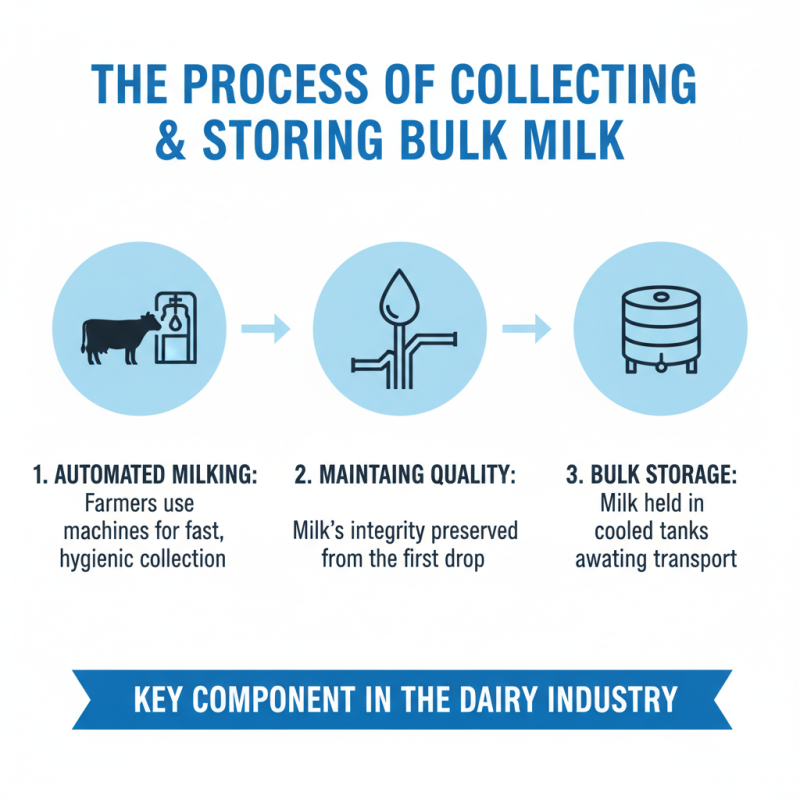
In the dairy industry, bulk milk is a key component. The process of collecting and storing bulk milk requires meticulous planning and precision. Farmers gather milk from multiple cows using automated milking machines. These machines ensure a fast and hygienic collection, maintaining milk quality from the first drop.
Milk is stored in large, insulated tanks. These tanks can hold thousands of liters. Keeping the milk at a low temperature is crucial. It helps prevent bacterial growth. The ideal storage temperature is around 4°C. According to industry reports, maintaining proper temperatures can reduce spoilage by up to 30%. This is vital given that spoilage can lead to significant financial losses for producers.
After collection, the milk undergoes laboratory tests. These tests check for contaminants and overall quality. Issues like high somatic cell counts can indicate health problems in cows. Addressing these issues is essential for maintaining a healthy herd. Ultimately, the process of collecting and storing bulk milk is complex. It requires constant attention and improvement to ensure quality standards are met.
Key Uses of Bulk Milk in Dairy Production
Bulk milk plays a critical role in the dairy industry, primarily serving as the foundation for various dairy products. By 2021, global milk production reached about 906 million metric tons, according to the Food and Agriculture Organization. Farmers directly supply bulk milk to processing plants, allowing for efficient production cycles.
The key uses of bulk milk are diverse. It is widely transformed into cheese, yogurt, and ice cream. In 2020, cheese accounted for around 20% of total milk production in the U.S. This utilization maximizes profit margins for dairy producers. Interestingly, some farms still struggle with storage capacity, leading to potential waste of this valuable raw material.
Bulk milk also serves as a key ingredient in nutritional products, such as milk powder. As global health trends shift, the demand for fortified milk products is rising. Reports indicate that the market for powdered milk is expected to grow at a CAGR of 5.2% from 2021 to 2026. However, challenges remain. Some processors face difficulties maintaining consistent quality, which can lead to consumer distrust and financial losses. The industry must focus on overcoming these issues while utilizing the full potential of bulk milk.
Bulk Milk Usage in Dairy Production
Quality Control Measures for Bulk Milk
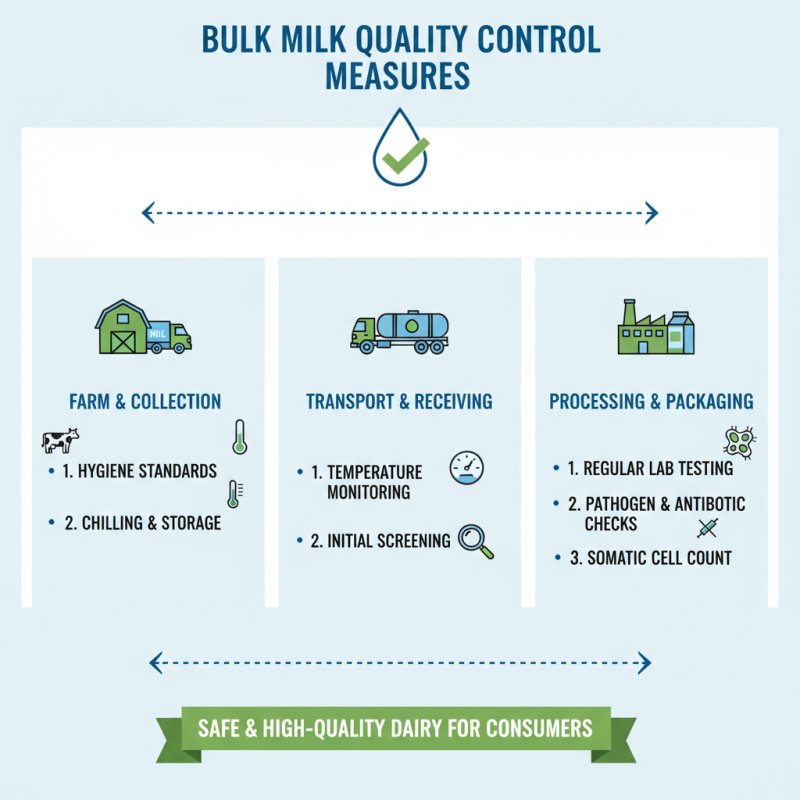
Quality control measures for bulk milk are crucial in the dairy industry. Maintaining high standards ensures the safety and quality of the product. Regular testing is necessary at different stages. This includes checking for pathogens, antibiotic residues, and somatic cell counts. All these tests help ensure the milk is safe for consumers.
In addition to laboratory tests, visual inspections also play a role. Inspectors look for off-colors or unusual odors. Such observations can indicate problems in the milk. However, human error can occur. Relying solely on visual checks may lead to missed issues. Proper training and routine assessments can help improve this process.
Another vital aspect is storage conditions. Bulk milk must be kept at specific temperatures to maintain its quality. Inadequately chilled milk can spoil quickly, leading to waste. Farmers and processors must stay vigilant to prevent this. However, sometimes negligence happens, highlighting the need for continuous education in the field.
Impact of Bulk Milk on Dairy Product Pricing and Supply Chain
Bulk milk plays a critical role in the dairy industry. It refers to large quantities of milk collected from farms for processing. This milk is often sold to manufacturers, who convert it into various dairy products. The production and distribution of bulk milk affect many aspects of the dairy supply chain.
Price fluctuations can occur due to varying bulk milk costs. When supply exceeds demand, prices drop. Conversely, if demand spikes, prices can surge. Producers must navigate these changes to maintain profitability. Some struggle to keep up with the shifting market. This can lead to waste or unsold products. Issues in the supply chain, such as transport delays, further complicate pricing.
Quality control is essential in bulk milk handling. Milk must be refrigerated and monitored consistently. Any lapse can affect the entire batch, causing losses. Dairy processors face challenges in managing these risks. Balancing cost and quality is often a difficult task. The need for efficiency also places pressure on producers.
Related Posts
-
What is the Best Way to Order Milk Online?
-
10 Best Dairy Supplies for Your Farm Needs?
-

Top 10 Uses for Bulk Butter in Cooking and Baking?
-

Ultimate Guide to Bulk Butter Storage Tips for Freshness and Flavor
-

What is Animal Farm Butter and Its Significance in Literature?
-

2026 Top Plant Butter Brands and Their Health Benefits