Ultimate Guide to Bulk Butter Storage Tips for Freshness and Flavor
In the culinary world, maintaining the quality and flavor of ingredients can be a delicate task, particularly when it comes to bulk butter. Expert in dairy storage and preservation, Dr. Emily C. Hargrove, has emphasized the significance of proper techniques in her field, stating, "Effective bulk butter storage not only extends shelf life but vastly enhances the overall flavor profile of various culinary creations." As chefs and home cooks alike seek to maximize their use of this delightful dairy product, understanding the intricacies of storing bulk butter becomes essential.
With its rich taste and versatility, bulk butter has become a staple in both commercial kitchens and households. However, without the right storage methods, even the highest quality butter can lose its freshness, aromas, and textures. This guide will delve into effective strategies to ensure that your bulk butter remains flavorful and fresh, regardless of how much you purchase. From temperature control to appropriate wrapping techniques, every detail plays a role in preserving the quality of bulk butter, ensuring that each dollop adds the desired richness to dishes. Embrace these tips to transform your approach to butter storage and elevate your culinary creations.

Understanding the Importance of Proper Butter Storage Techniques
Proper butter storage techniques are essential for maintaining the freshness and flavor of this beloved dairy product. When butter is stored incorrectly, it can absorb odors from other foods in the refrigerator and lose its creamy texture. The ideal storage conditions involve keeping butter in a cool, dark place, preferably in an airtight container. This not only protects it from moisture but also minimizes exposure to light, which can lead to rancidity and spoilage.
Additionally, temperature plays a critical role in butter preservation. While refrigeration is essential for long-term storage, it's best to keep a small portion at room temperature for immediate use. However, this should not exceed a week, as keeping it out too long can encourage bacterial growth. Freezing is another excellent option for longer storage, as it helps to lock in the butter's flavor and nutritional value. By wrapping the butter tightly in plastic wrap or foil and placing it in a freezer-safe container, one can extend its shelf life significantly while retaining its delightful taste.
Selecting the Right Storage Containers for Bulk Butter
When it comes to storing bulk butter, selecting the right storage containers is crucial for maintaining its freshness and flavor. The optimal choice would be airtight containers made of glass or high-quality plastic to prevent exposure to air and light, both of which can accelerate spoilage. According to a report by the American Dairy Association, properly stored butter can retain its optimal taste and texture for up to
12 months, while inferior storage methods may reduce this timeframe significantly, leading to rancidity and loss of flavor.
In addition to choosing the right material, it’s important to consider the size of the containers. A study from the University of Wisconsin-Madison suggests using smaller containers to divide bulk butter into manageable portions. This not only helps in minimizing the frequency of exposure to air each time the container is opened but also makes it easier to use only what is needed without compromising the rest. Additionally, labeling each container with the date of storage can assist in keeping track of freshness, ensuring that you enjoy your butter at its best quality throughout its shelf life.
Optimal Temperature and Environment for Butter Preservation
When it comes to preserving the freshness and flavor of bulk butter, the optimal temperature and environment play crucial roles. Butter should ideally be stored in a refrigerator at a consistent temperature of around 35 to 40 degrees Fahrenheit (1 to 4 degrees Celsius). This chilly environment slows down the oxidation process and prevents the growth of bacteria, thereby extending the butter's shelf life. If you plan to store larger quantities, consider dividing the butter into smaller portions. This not only makes it easier to use but also minimizes the amount of time the butter is exposed to varying temperatures every time the container is opened.
Additionally, the environment in which butter is stored significantly impacts its quality. Exposure to light and air can lead to rancidity and off-flavors. Therefore, it's advisable to keep butter in opaque, airtight containers. If storing for an extended period, freezing is a viable option. Wrap the butter tightly in foil or butcher paper before placing it in an airtight container or freezer bag to prevent freezer burn and retain its flavor. By maintaining a controlled temperature and a shielded environment, you can ensure that your bulk butter remains as fresh and flavorful as possible for future culinary endeavors.
Best Practices for Freezing and Thawing Bulk Butter
When freezing bulk butter, it is essential to ensure that it maintains its freshness and flavor. The first step is to divide the butter into smaller portions, ideally 1 to 2 cups, to make it easier to thaw only what you need later. Use airtight containers or heavy-duty freezer bags to minimize exposure to air, which can cause freezer burn and spoilage. Label each package with the date and quantity to keep track of your stock. It's best to use the butter within 6 to 9 months for optimal freshness.
When it comes time to thaw the butter, the method you choose can significantly impact its texture and flavor. The safest way to thaw butter is in the refrigerator overnight, allowing it to gradually return to a softer state without compromising its quality. If you're in a hurry, you can place the sealed butter in a bowl of cold water, changing the water every 30 minutes until it’s softened. Avoid microwaving, as this can melt the butter unevenly and affect its creamy texture. By following these best practices for freezing and thawing, you can enjoy your bulk butter's delightful flavor and quality whenever you need it.
Signs of Spoiled Butter and How to Extend Its Freshness
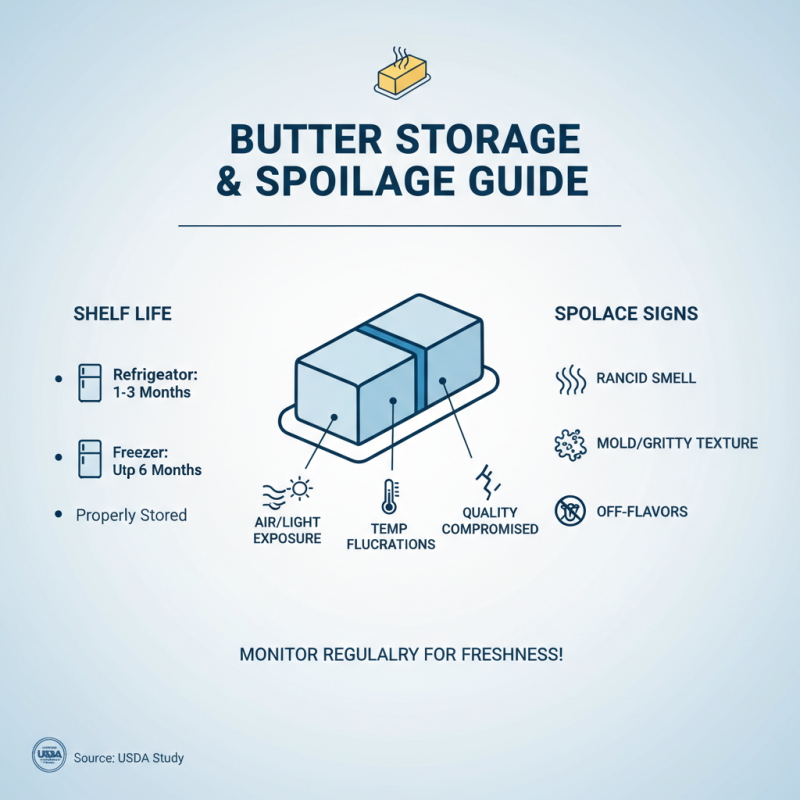
When it comes to butter storage, recognizing the signs of spoilage is crucial for maintaining both freshness and flavor. According to a study by the USDA, butter can typically last for 1 to 3 months in the refrigerator and up to 6 months in the freezer when properly stored. However, factors like exposure to air, light, and fluctuating temperatures can compromise its quality. Look for changes in texture and odor; spoiled butter may develop a rancid smell or show signs of mold and a gritty texture. The presence of off-flavors can also indicate a decline in quality, making it essential to monitor your butter regularly.
To extend the freshness of butter, proper storage techniques are vital. Packaging it in an airtight container helps to prevent odor absorption and minimize exposure to light. The USDA recommends wrapping butter in wax paper or aluminum foil before placing it in a covered dish or airtight container. Additionally, keeping butter in the coldest part of the refrigerator, typically at the back, can reduce the risk of spoilage. For those who buy in bulk, using freezer-safe containers or vacuum-sealing can extend its shelf life significantly, allowing you to enjoy the rich flavor of butter for longer periods.
