Best Unsalted Butter for Baking Which Brands to Choose?
When it comes to baking, the choice of ingredients matters significantly. Unsalted butter is a staple in many kitchens, praised for its flavor and versatility. Renowned culinary expert Julia Child once said, “The only time to be positive is when you’re positive.” This sentiment rings true when choosing the best unsalted butter for your baking needs.
Unsalted butter allows bakers to control the salt content in recipes. Various brands offer different qualities and flavors. For instance, some brands may have a creamier texture, while others might present a distinct richness. It’s important to experiment. The best unsalted butter can elevate your dish, while the wrong choice can leave you questioning your baking skills.
Selecting the right unsalted butter also involves considering freshness and source. Some brands are renowned for their organic practices. This can influence both taste and health. Therefore, investing time in research is crucial. Ultimately, every baker may have personal favorites. Discovering the perfect unsalted butter can be an enlightening journey filled with delicious outcomes.
Understanding Unsalted Butter and Its Importance in Baking
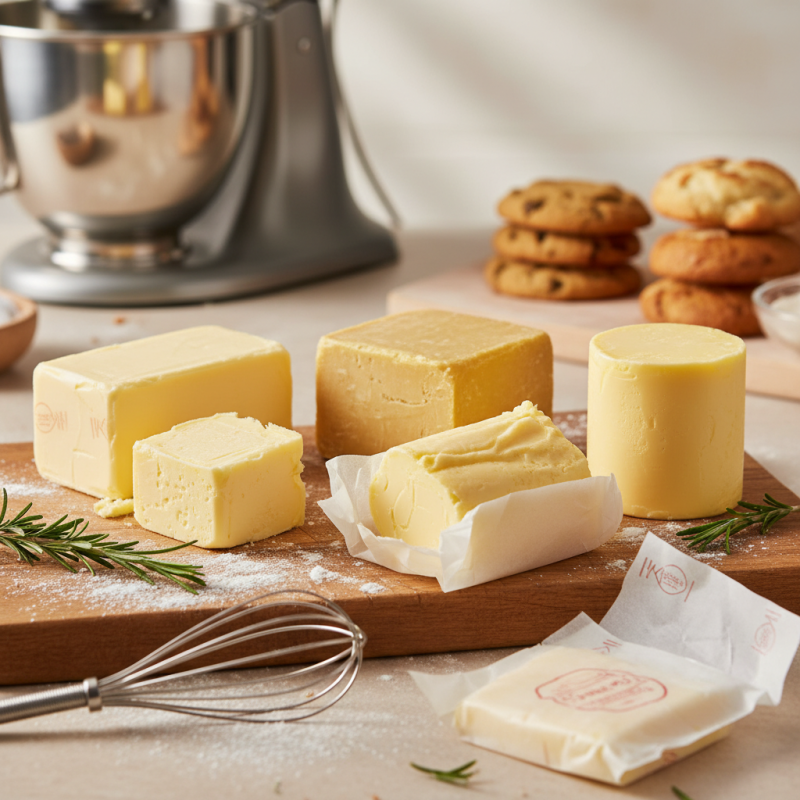
Unsalted butter plays a crucial role in baking. Its purity allows for better control over flavor and saltiness. When a recipe calls for butter, using unsalted ensures that you can add salt according to your taste. Many novice bakers may overlook this detail, leading to overly salty treats. The texture of unsalted butter also blends well into batters, providing the necessary moisture.
Choosing the right unsalted butter can be challenging. Look for butter made from high-quality cream. This results in a richer flavor and better performance in baked goods. Pay attention to the butter's temperature when using it for baking. Softened butter works better for creaming with sugars, while cold butter is ideal for flaky pastries.
Some bakers forget about the importance of freshness. Expired butter can spoil your baked goods. Always check the expiration date. The scent of fresh butter should be pleasant, not sour. Baking can be rewarding, but minor details can lead to unexpected results. Always reflect on your process to improve your skills.
Key Factors to Consider When Choosing Unsalted Butter Brands
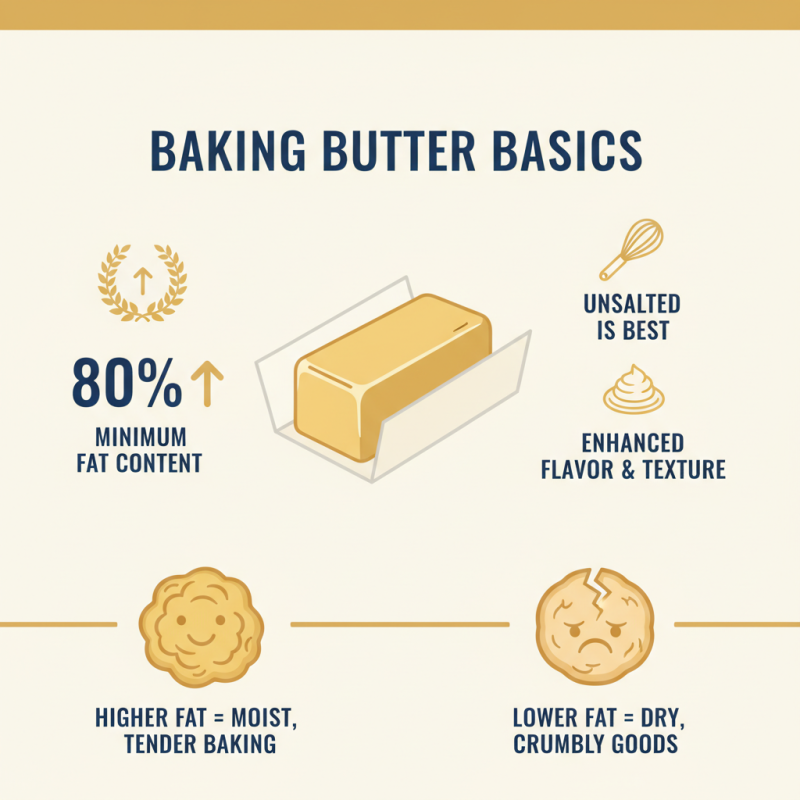
When choosing unsalted butter for baking, consider the fat content. A higher fat percentage usually enhances flavor and texture. Look for butter that contains at least 80% fat. Butter with lower fat can lead to dry, crumbly baked goods.
Texture is also important. Unsalted butter should be smooth and creamy. If it feels grainy or hard, it might not yield the best results. Pay attention to how it melts. Good quality butter melts evenly, making it easier to incorporate into recipes.
Lastly, always check the packaging. Freshness is key for optimal flavor. The color should be a pale yellow, not overly bright or dark. Consider how the butter smells as well. A fresh, clean scent indicates quality. Some butters may have additives, which can impact taste. Choosing wisely here will elevate your baking experience.
Top Recommended Unsalted Butter Brands for Baking Success
When choosing unsalted butter for baking, many factors come into play. The texture and flavor are important. High-quality butter can enhance your baked goods. Look for creamy textures and rich flavors to elevate your recipes.
Tips: Always soften butter before creaming it with sugar. This step can make a difference in your baked goods' final texture.
Different brands can vary in flavor. Some might even have a grainy texture, affecting your results. It's essential to experiment with a few options. Keep notes on what works best for your recipes. Remember, what you love might not work for everyone.
Tips: Try using butter that has been grass-fed for a deeper taste. It can transform simple baked items into something special. Baking is a learning process. Don’t be afraid to adjust your choices over time.
Comparing Flavor Profiles and Texture of Different Unsalted Butters
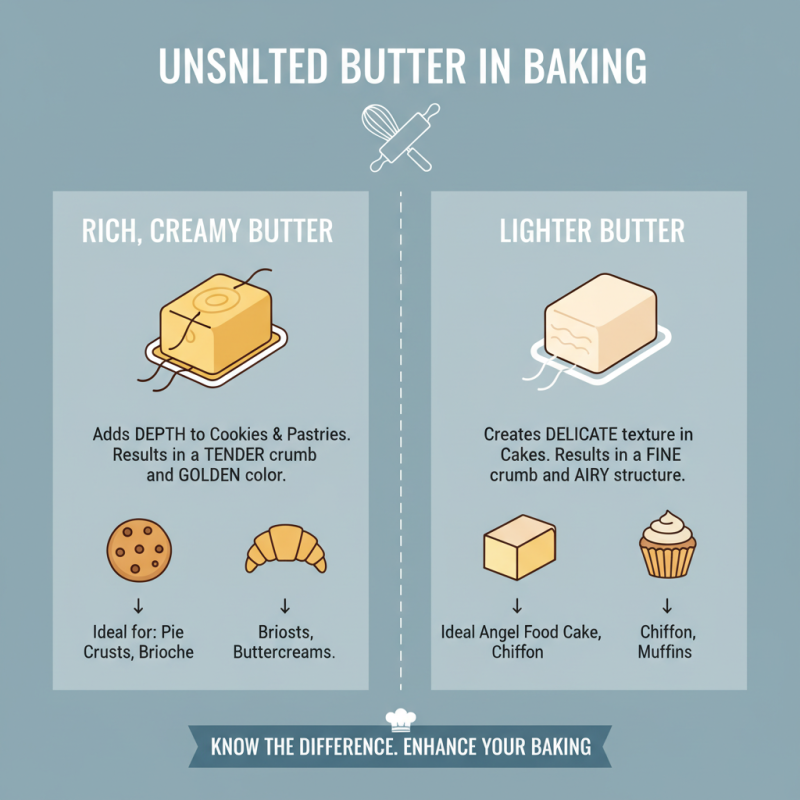
When it comes to baking, unsalted butter plays a crucial role. The flavor profiles of different unsalted butters can significantly affect your baked goods. A rich, creamy butter adds depth to cookies and pastries. In contrast, a lighter butter may produce a more delicate texture in cakes. Knowing the differences can enhance your baking results.
Texture also varies among unsalted butters. Some butters have a softer consistency, making them easier to cream with sugar. Others are firmer, which can lead to a denser final product. For example, a firmer butter is often harder to blend. This can affect how evenly the dough rises or spreads. The temperature of the butter is key. Room temperature butter fosters better incorporation with other ingredients.
Taste is subjective, and sometimes it varies with freshness. A butter that was once flavorful can lose its edge over time. Not all butters are suitable for every recipe, which is crucial to note. Experimenting with different options can yield surprising results. In baking, small differences can lead to big changes. Trying various unsalted butters will help you discover the best fit for your unique creations.
Tips for Proper Storage and Usage of Unsalted Butter in Recipes
When using unsalted butter in baking, proper storage and usage are critical for achieving the best results. Unsalted butter should be kept in the refrigerator to maintain freshness. According to the USDA, unsalted butter can last about four months in the fridge. For longer storage, consider freezing it. Wrap it tightly in foil and place it in an airtight container. This method can extend its life to up to a year.
Using unsalted butter brings nuances in flavor. It allows greater control over seasoning in your recipes. Be aware that different batches of butter may vary in moisture content. This can affect your baked goods. To ensure consistency, always measure butter by weight if possible. This is crucial for precision.
When incorporating unsalted butter into your recipes, allow it to soften at room temperature before use. Softened butter blends better, creating a smoother batter or dough. However, avoid melting it unless the recipe specifies. Melting can compromise the texture of your baked products. Keeping these storage and usage tips in mind will enhance your baking experience and outcomes.
| Brand | Ingredient Quality | Fat Content | Price per lb | Best Used For |
|---|---|---|---|---|
| Brand A | Grade AA | 80% | $4.50 | Cookies, Cakes |
| Brand B | European Style | 82% | $5.00 | Pastries, Bread |
| Brand C | Organic | 80% | $6.00 | Cakes, Frosting |
| Brand D | Grass-fed | 80% | $5.50 | Brownies, Sauces |
| Brand E | Regular | 80% | $3.50 | General Baking |