Best Matcha Powder for Health Benefits and How to Choose?
Matcha Powder has gained immense popularity due to its numerous health benefits. Dr. Lisa Huang, a nutrition expert, states, "Matcha Powder offers a unique combination of antioxidants and nutrients." This green tea powder is processed from shade-grown tea leaves, rich in chlorophyll. It’s a vibrant green, almost mesmerizing to the eye.
Choosing the right Matcha Powder can be overwhelming. There are various grades and qualities available. Some products may appear appealing but lack genuine health benefits. Pay attention to the color, texture, and origin. Many brands don't meet quality standards. A matcha with bright green color indicates high chlorophyll levels.
However, consumers often rush their choices. In pursuit of health, they sometimes overlook quality for price. This can lead to disappointing results. Remember, not all Matcha Powder is created equal. Approach your selection carefully, ensuring you choose the best for your health journey.
Types of Matcha Powder: Grades and Qualities Explained
When choosing matcha powder, understanding its types and qualities is essential. Matcha comes in various grades, primarily culinary and ceremonial. Ceremonial grade is often vibrant green and finely ground. It is intended for traditional tea preparation and has a delicate flavor. Culinary grade is more robust, perfect for baking and cooking.
Research indicates that higher grades, including ceremonial matcha, contain more nutrients. A study from the Journal of Nutritional Biochemistry highlights that they have higher levels of catechins. These antioxidants are known for their health benefits, including heart health and improved metabolism.
Tips: When selecting matcha, look for bright green color, as this indicates quality. Also, check if it is shade-grown, which enhances chlorophyll content. Be aware of your taste preference. Some people find lower grades to be somewhat bitter. Exploring different qualities can lead to a deeper appreciation.

Types of Matcha Powder by Health Benefits
This chart illustrates the health benefits of different types of matcha powder based on a scale from 1 to 10. The ceremonial grade matcha offers the highest health benefits, followed by premium grade, culinary grade, and ingredient quality matcha.
Health Benefits of Matcha: Nutritional Advantages and Research Findings
Matcha has gained significant attention for its health benefits. Research indicates it contains over 137 times more antioxidants than regular green tea. These antioxidants, particularly catechins, can help reduce oxidative stress in the body. A study published in the "Journal of Food Science" highlights matcha's potential in improving heart health by lowering cholesterol levels and reducing blood pressure.
The nutritional advantages of matcha are compelling. One serving can provide up to 3 grams of fiber and substantial amounts of vitamins A and C. The amino acid L-theanine in matcha promotes relaxation without drowsiness, which can enhance cognitive function. However, it’s important to consume matcha in moderation. Overconsumption may lead to caffeine sensitivity or digestive issues.
Tips: When choosing matcha, look for vibrant green powder; dull colors may indicate lower quality. Store it in a cool, dark place to maintain freshness. Consider starting with a small amount to see how your body reacts. If you experience any discomfort, reassess your intake. Balancing matcha with a varied diet is key to maximizing its benefits without overdoing it.
Best Matcha Powder for Health Benefits and How to Choose?
| Category | Nutritional Advantages | Health Benefits | Research Findings |
|---|---|---|---|
| Culinary Grade Matcha | Lower in cost; contains amino acids and antioxidants. | Good for baking and recipes; boosts energy. | Studies show improved energy levels without jitters. |
| Ceremonial Grade Matcha | High in caffeine, L-theanine, and chlorophyll. | Promotes calm alertness and enhances mental focus. | Research indicates beneficial impacts on cognitive function. |
| Premium Matcha | Rich in antioxidants, vitamins, and minerals. | May aid in weight loss and detoxification. | Clinical trials suggest potential for metabolic improvement. |
| Organic Matcha | Free from pesticides; higher chlorophyll levels. | Supports immune health and provides natural detox benefits. | Epidemiological studies highlight a correlation with reduced cancer risk. |
How to Choose High-Quality Matcha Powder: Key Indicators to Consider
Choosing high-quality matcha powder can significantly enhance its health benefits. When looking for the best matcha, here are some key indicators to consider.
Color is crucial. High-quality matcha should exhibit a vibrant green hue. This indicates that the leaves were shade-grown and rich in chlorophyll. Dull or yellowish powder suggests lower quality. Texture also matters. Quality matcha feels fine and silky to the touch. If it feels grainy, it may not be pure.
Here are some tips:
- Look for powder labeled as "ceremonial grade."
- Check for traceability; knowing the origin is important.
- Taste test if possible. Good matcha should have a subtle sweetness and a hint of bitterness.
Another aspect to ponder is freshness. Matcha can lose its potency over time. A strong aroma indicates freshness, while a faded scent suggests age. Packaging also plays a role. Look for airtight containers to keep the matcha protected.
Preparation Methods: Best Practices for Enjoying Matcha's Benefits
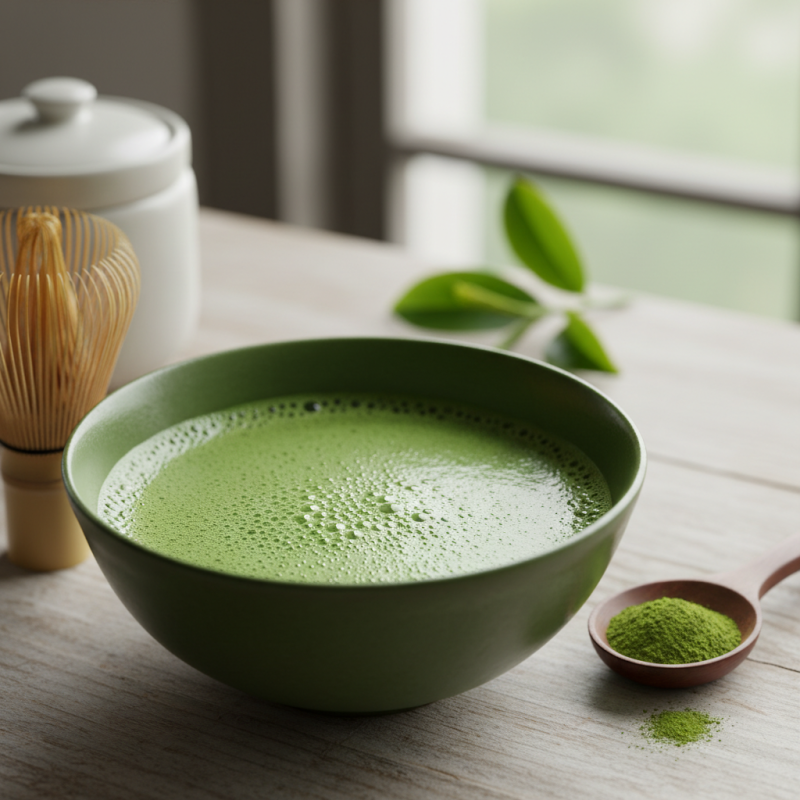
Matcha powder is a versatile ingredient. To fully enjoy its health benefits, preparation methods matter. Start with the right materials. A fine bamboo whisk, a bowl, and a sifter are essential. Sifting the powder removes clumps. This step leads to a smoother texture. Use hot, not boiling, water. Temperature affects taste and nutrients.
When whisking, aim for a steady motion. Create a “W” shape to blend properly. This also helps aerate matcha. Pay attention to the foam that forms; it indicates a good mixture. A bubble-free drink means you've done well. If it's too frothy or clumpy, rethink your method.
Tips: Experiment with water ratios. Adding more water can lighten the taste. A combination of water and milk can create a delightful twist. Lastly, enjoy your matcha mindfully. Savor each sip and notice the flavors. This attention changes the experience.
Storing and Using Matcha: Tips for Preserving Freshness and Flavor
Storing matcha properly is crucial for maintaining its freshness and flavor. Light, heat, and moisture are enemies to matcha. Use an airtight container to shield it from air and humidity. A dark glass jar can also provide excellent protection against light. Make sure to keep it in a cool, dry place, away from your kitchen stove or windows.
When using matcha, measure carefully. A small scoop, usually about one to two grams, can go a long way. Level it off before adding it to hot water. Avoid boiling water, as it can scorch the delicate green powder. Instead, aim for water around 175°F (80°C). Whisk vigorously to create a frothy texture. Many people enjoy matching this process with mindfulness —taking time to appreciate the aroma and color.
Sometimes, you might find your matcha losing its vibrant color or flavor over time. This can happen if it's not stored correctly or used past its prime. Keep an eye on its expiration date. Ultimately, the quality of your matcha experience depends on how you care for it. Don't be afraid to experiment with different techniques and storage methods. Each small adjustment can enhance your enjoyment.
