Best Embossing Machine for Your Business Needs?
Choosing the best embossing machine for your business needs is crucial. This decision can impact your productivity and creativity. The right machine helps you achieve high-quality designs and professional finishes. It should align with the specific demands of your projects.
When evaluating options, consider your production volume and material types. Some machines work better with thicker materials. Others excel with delicate papers. Reliability is essential, as machine malfunction can disrupt workflow. Researching various models and their features can reveal valuable insights. User reviews can provide real-world experiences.
However, not all embossing machines are created equal. Some may not deliver the promised results. It’s important to ask yourself: does this machine meet my expectations? Finding balance is key. Investing in a quality machine is wise, yet budget constraints may require compromises. Keep an open mind and reflect on what truly matters for your business success.
Understanding Embossing Machines: Types and Technologies Available
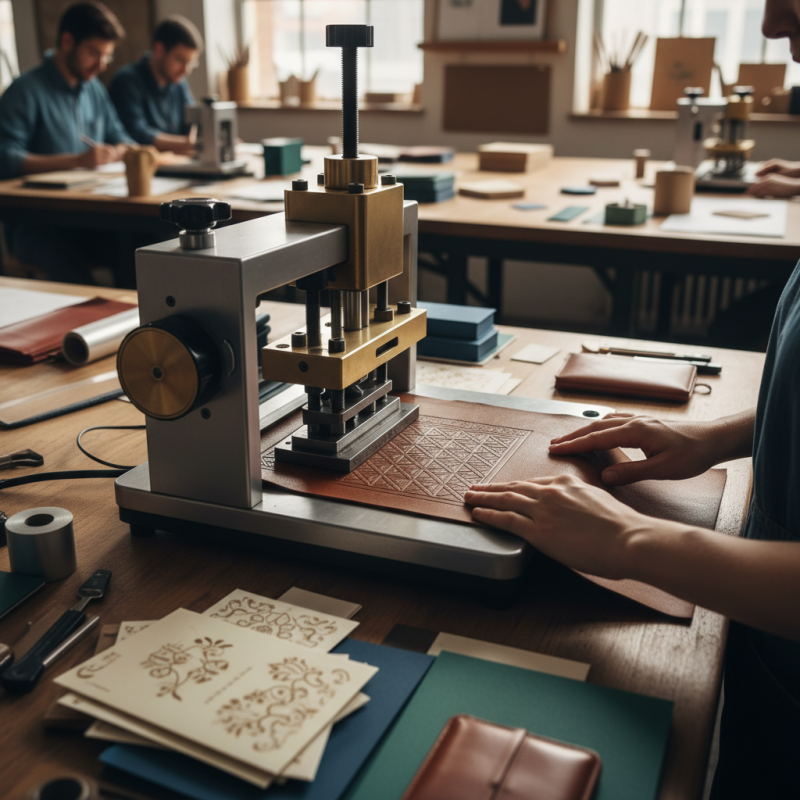
Embossing machines come in various types, each serving unique business needs. Foil embossing is popular for creating striking designs. This method uses heat and pressure to transfer metallic foil onto surfaces, enhancing visual appeal. Another common type is blind embossing, which raises designs without ink or foil. This technique adds texture and depth to materials, making it ideal for elegant presentations.
When choosing an embossing machine, it’s crucial to consider technology. Digital embossing machines offer precision and efficiency. They allow for intricate details and quick production runs. On the other hand, manual machines are often more affordable. They may require more labor and time, but they suit small operations well. Some businesses find that blending technologies maximizes output and creativity.
It's important to recognize that not all machines perform equally. Testing a machine’s capabilities can reveal strengths and weaknesses. Dimensional accuracy varies. Some machines might struggle with thicker materials. Understanding these nuances will guide better decision-making. A business must assess its specific needs carefully. Evaluating long-term goals can lead to effective investment in the right embossing technology.

Key Features to Consider When Choosing an Embossing Machine
When selecting an embossing machine, consider key features that align with your business needs. The first aspect is the type of materials it can handle. Some machines are versatile, accommodating paper, leather, and plastic, while others focus on a single material. Understanding your primary applications will guide your choice.
Next, evaluate the machine's size and portability. Larger machines can handle bigger projects but may require more space. If your workspace is limited, a compact, portable option could be a better fit. Additionally, look for ease of use. User-friendly controls will save time and minimize errors in a busy environment.
Production speed is another crucial factor. Fast machines can significantly enhance efficiency, but this may come with a trade-off in quality. It's essential to strike a balance based on your output needs. Also, consider maintenance requirements; more durable machines often reduce long-term costs. Reflect on whether the machine's warranty and service support meet your expectations.
Comparing Popular Embossing Machines for Small to Medium Businesses
Choosing the right embossing machine can significantly impact your small to medium business. A good machine will improve your branding efforts. It helps create professional-looking products that attract customers. However, the process can be overwhelming.
Several popular machines cater to different needs. Some are compact and portable, suitable for small spaces. Others have extensive features, perfect for larger operations. It's important to consider your specific requirements before making a decision. Think about the types of materials you will use and the volume of production.
Lastly, affordability matters. While high-end options provide advanced features, budget-friendly machines can still deliver quality results. Many users report a steep learning curve with the more complex models. Finding a balance between cost, functionality, and ease of use is key. Explore user reviews to understand the real-world performance of different models.
Cost Analysis: Investing in an Embossing Machine for Your Operations
Investing in an embossing machine can significantly impact your business operations. According to a recent market analysis, the demand for high-quality embossing has surged by 30% over the last two years. This trend underscores the importance of having the right equipment. However, the initial costs are substantial. Entry-level machines can range from $2,000 to $5,000, while high-end models may exceed $10,000. This cost needs careful consideration.
Maintenance costs can add to the overall investment. Regular upkeep, which includes replacing dies and ensuring proper calibration, may account for around 15% of the initial machine cost each year. Having a contingency budget for unexpected repairs is also wise. Furthermore, some businesses report operational inefficiencies due to a steep learning curve. Employees may require training, which could take weeks, impacting productivity and leading to lost revenue during the transition.
Analyzing the return on investment (ROI) is essential. Businesses can expect an ROI of 150% to 300% within three years if the machine is used effectively. However, these figures vary based on production volume and market demand. Companies must reflect on whether the opportunities outweigh the potential risks and hidden costs before making a purchase.
Tips for Maintenance and Longevity of Your Embossing Equipment
Maintaining your embossing machine is crucial for optimal performance. Regular maintenance ensures longevity and efficiency. Routine cleaning removes dust and debris from critical areas. This simple act can enhance the machine's lifespan significantly.
Check the machine's settings frequently. Improper settings can lead to unsatisfactory results and potential damage. Consult the manual for specific guidelines. Adjusting pressure and speed correctly can prevent wear and tear.
Keep the machine lubricated according to the manufacturer’s recommendations. Neglecting lubrication may result in increased friction and malfunction. Investing time in maintenance practices will pay off in reduced repair costs and better output quality.
Regular inspections can identify and address issues before they escalate. Over time, these measures will help maintain the integrity and reliability of your embossing equipment.
