What is the Best Daily Milk to Drink in 2026?
As we approach 2026, the choice of daily milk is becoming more complex. The "daily milk" market is rapidly evolving. According to a recent report by the Dairy Research Institute, the consumption of plant-based milk alternatives has surged by 25% in the past three years. This change reflects a growing consumer preference for health and sustainability.
Dr. Emily Jordan, an industry expert, emphasizes the importance of understanding these shifts. She states, "Consumers today seek nutrition, taste, and ethical sourcing in their daily milk choices." This statement highlights the need for careful consideration of options available in the market.
With numerous varieties available, from almond to oat and soy, making the right choice can be overwhelming. Each type has unique nutritional profiles. For instance, almond milk is low in calories but offers limited protein. On the other hand, soy milk provides a good source of protein but often raises questions about GMO concerns. Such complexities urge consumers to reflect on their selections critically. Are they merely following trends, or are they making informed decisions for their health?
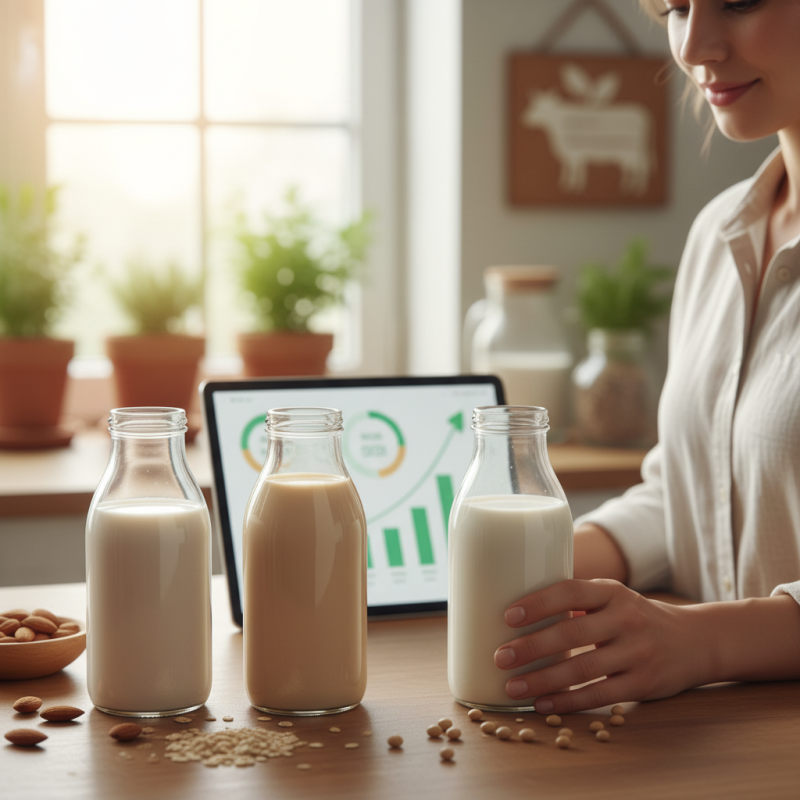
The Nutritional Comparison of Different Milk Types in 2026
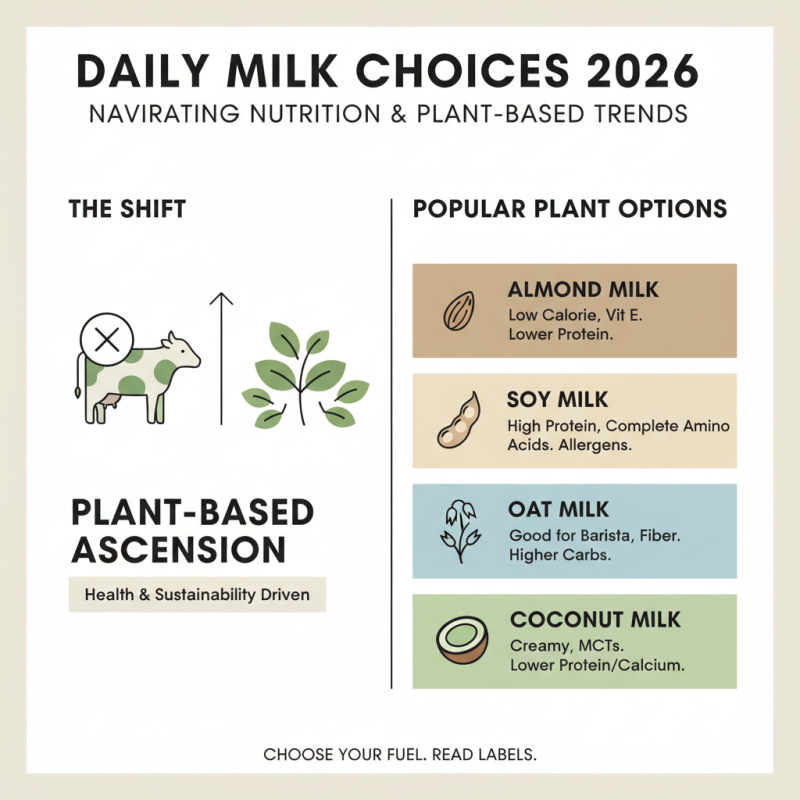
Choosing the best daily milk in 2026 involves understanding nutritional values. People are increasingly moving towards plant-based alternatives. Almond, soy, oat, and coconut milk are common choices. Each type has unique benefits and drawbacks.
Almond milk is low in calories. It offers vitamin E but lacks protein. Soy milk provides a good protein source. It contains essential amino acids. However, some people may be allergic to soy.
Oat milk, popular for its creaminess, is higher in carbohydrates. It works well in coffee but can be heavy on the stomach for some. Coconut milk is rich in flavor but relatively high in saturated fat.
Tips: When selecting milk, consider your dietary needs. Look for fortified versions that provide extra vitamins. Check the ingredient list for additives or sweeteners. Moderation is essential; even healthy options can be excessive. Mixing different types might offer balanced nutrition.
Emerging Trends in Dairy Alternatives for Daily Consumption
In 2026, the landscape of daily milk consumption is transforming rapidly. Dairy alternatives are becoming increasingly popular, driven by health trends and environmental concerns. Many are shifting to options like oat and almond milk. These alternatives are often lower in calories and saturated fat. They offer unique flavors that appeal to diverse palates. Some people are curious yet cautious about making the switch.
Emerging trends indicate a preference for fortification. Many consumers want their milk alternatives enriched with vitamins and minerals. Ingredients like calcium and vitamin D are in high demand. There is also a growing interest in protein-rich plant milks. Pea milk is gaining attention for its nutritional profile. However, the taste continues to be a point of contention. Some find these alternatives lacking in creaminess. The quest for the perfect dairy replacement continues, and not everyone is satisfied.
Sustainability plays a crucial role in this trend. Many seek out options with minimal environmental impact. However, not all alternatives meet this standard, leading to confusion. Consumers often find themselves torn between health, taste, and ecological responsibility. This complexity calls for deeper exploration. The best choice for daily milk varies widely among individuals. It’s clear that preferences are evolving, but the journey remains imperfect.
Health Benefits of Cow's Milk vs. Plant-Based Milks
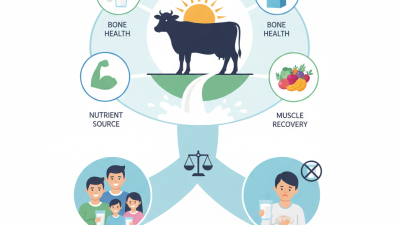
When choosing between cow's milk and plant-based milks, it’s essential to understand their health benefits. Cow’s milk is rich in protein, providing around 8 grams per cup. This quality makes it an excellent choice for muscle repair and growth. Additionally, it contains vital nutrients like calcium and vitamin D, crucial for bone health.
On the other hand, plant-based milks, such as almond or oat, have gained popularity. A report from the Plant-Based Foods Association shows that sales of plant-based milks skyrocketed by 20% in the last year. Many plant-based options are lower in calories and saturated fat. However, they may lack the same protein levels as cow's milk. In fact, some contain added sugar to enhance flavor, raising potential health concerns.
It’s worth noting that not all plant-based milks are created equal. Some may be fortified with nutrients, while others are not. The environmental impact of dairy farming is also a consideration. However, switching to plant-based options might not be suitable for everyone. It’s critical to evaluate individual dietary needs. Balancing these choices can be challenging, especially with conflicting information in the media.
Sustainability and Environmental Impact of Milk Choices
As we approach 2026, the conversation around milk choices becomes more crucial. Consumers are increasingly aware of the environmental impact of their purchases. Choosing dairy products can significantly affect climate change and resource consumption. The carbon footprint of traditional dairy is substantial, linked to greenhouse gas emissions. Furthermore, water usage in dairy farming raises significant concerns.
Plant-based milk alternatives are emerging as sustainable options. They typically require less water and land to produce. However, these alternatives also come with challenges. For instance, some plant milks might involve extensive processing. It can lead to a loss of nutrients. Additionally, sourcing practices may contribute to deforestation. Therefore, choosing plant-based can feel complicated.
Local sourcing plays a vital role in sustainability. By selecting milk from nearby farms, consumers can reduce transportation emissions. However, smaller farms may struggle to meet demand sustainably. This complexity urges consumers to reflect on their decisions. It is essential to weigh the environmental impacts of both dairy and plant-based options. Ultimately, informed choices can lead to a more sustainable future for milk consumption.
Daily Milk Choices Impact on Sustainability in 2026
This chart presents the sustainability scores of different types of milk based on factors such as water usage, greenhouse gas emissions, and land use. The scores are on a scale from 0 to 100, where a higher score indicates a more sustainable choice.
Consumer Preferences and Market Predictions for Dairy in 2026
In 2026, consumer preferences for dairy will likely showcase significant shifts. A recent report from Dairy Market Insights projects a 15% increase in the demand for plant-based milk alternatives. Many consumers now prioritize sustainability and health. Traditional dairy may need to adapt to these trends to maintain market share.
Studies indicate that 30% of consumers are choosing lactose-free options. This trend reflects a growing awareness of dietary needs. Many consumers are not just looking for taste; they seek nutritional benefits, like added vitamins and lower calories. However, the quality of these alternatives is often questioned. Can they truly replace dairy?
Tips: When choosing milk, consider your nutritional needs. Look for options fortified with calcium and vitamins. Taste tests can help you find what you enjoy. Not every milk is created equal. Stay informed about evolving options. Make choices that align with your values and health goals. The fluid dairy market requires ongoing reflection and adjustments.
Related Posts
-
What is Cow Milk and Its Health Benefits for Your Diet?
-
10 Best Dairy Supplies for Your Farm Needs?
-

How to Get Milk Delivered to Your Home Easily?
-
What is European Butter and Why is it Different from Other Butters?
-
Top 10 Benefits of Grass Fed Raw Milk for Health and Wellness
-
10 Essential Tips for Buying Bulk Butter Successfully