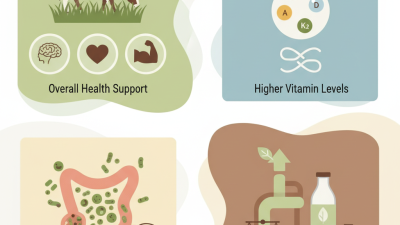
Top 10 Benefits of Grass Fed Raw Milk for Health and Wellness
Grass fed raw milk has gained attention for its numerous health benefits. In recent years, research has highlighted the positive impacts of this nutrient-rich food. A report by the National Dairy Council states that it contains higher levels of omega-3 fatty acids and vitamins compared to conventional milk. These factors contribute to better cardiovascular health and improved brain function.
Many consumers seek out grass fed raw milk for its rich nutrient profile. It is known to support gut health by providing beneficial probiotics. A study by the Journal of Dairy Science indicates that grass fed raw milk's amino acid composition may enhance muscle recovery post-exercise. This milk is also a rich source of calcium and amino acids necessary for maintaining bone health.
Despite these benefits, some consumers remain skeptical about raw milk consumption. Concerns about food safety can overshadow its advantages. Education and awareness are vital for changing perceptions. Grass fed raw milk holds promise for improving overall wellness, but it’s crucial to address these concerns responsibly. Exploring its benefits can lead to informed choices for better health.
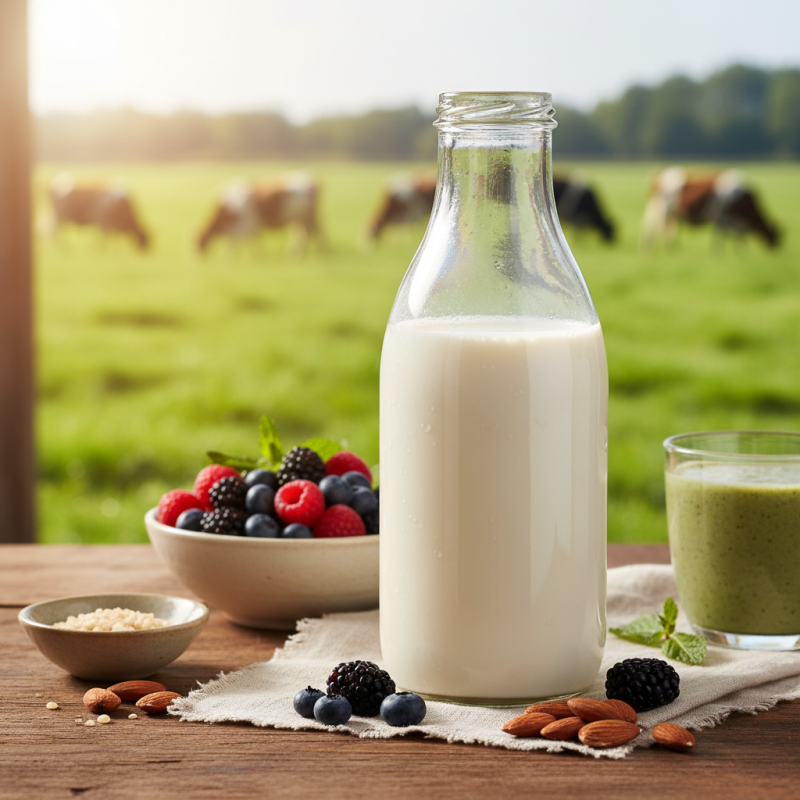
Health Benefits of Grass Fed Raw Milk: A Nutritional Overview
Grass-fed raw milk has been gaining attention for its impressive nutritional profile. Packed with vitamins A, D, and K2, it offers essential nutrients that support overall health. This type of milk is also rich in beneficial fatty acids. These include omega-3s, which are known for their anti-inflammatory properties. You might notice the flavor is different too. It has a creamy richness that many find appealing.
Another great aspect of grass-fed raw milk is its probiotic content. These friendly bacteria promote gut health and aid digestion. Consuming this milk can help strengthen your immune system. However, it’s important to be cautious. Not everyone can tolerate raw milk, especially those with lactose intolerance. You may experience some discomfort if you're not careful.
The benefits extend beyond nutrition. Choosing grass-fed raw milk often supports sustainable farming practices. It encourages healthier animal treatment and pasture-based diets. While these aspects are commendable, they might not always align with personal values or convenient access. Reflection on these choices can be beneficial for long-term health and wellness.
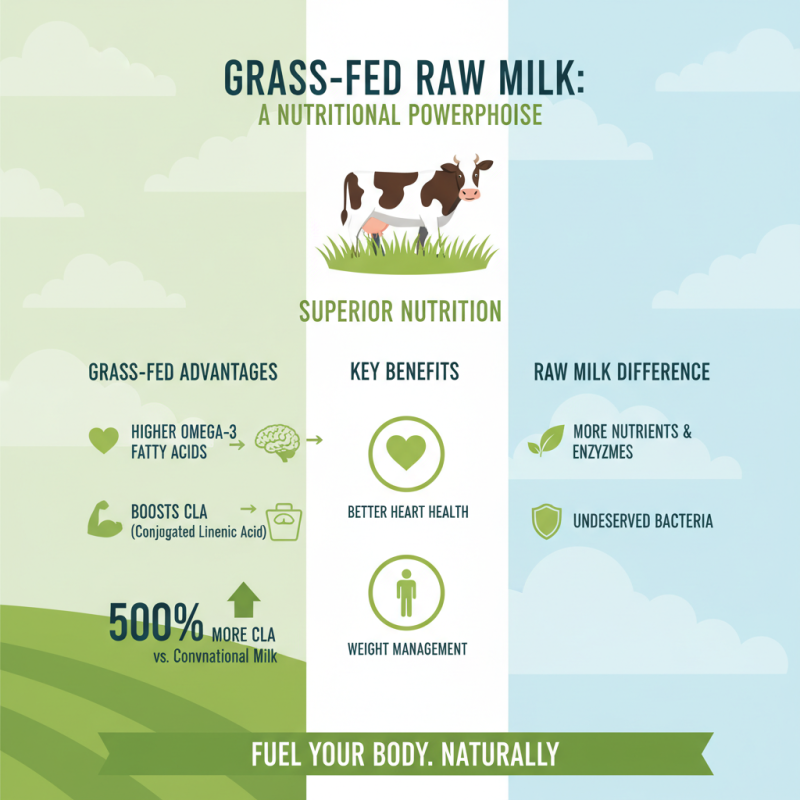
Comparative Analysis of Grass Fed vs. Conventional Milk Nutritional Profiles
Grass-fed raw milk offers a unique nutritional profile that is often superior to conventional milk. Studies indicate that grass-fed milk has higher levels of omega-3 fatty acids and beneficial conjugated linoleic acid (CLA). According to research, grass-fed dairy can contain up to 500% more CLA than conventional options. This can contribute to better heart health and weight management.
In terms of vitamins, grass-fed milk is richer in vitamins A and E, which are important for immunity and skin health. A comparative analysis shows that levels of beta-carotene are significantly higher in grass-fed milk. This is due to the cows’ natural diet of grass, which enhances their nutritional output.
**Tip:** When choosing milk, look for statements that confirm the grass-fed status.
While the benefits are clear, not everyone can access grass-fed products easily. Price and availability can be barriers. It's worth considering local farms or farmer's markets for potential options.
**Tip:** Always read labels carefully. Know what you're buying.
Many people wonder if they can trust all claims made on milk packaging. Not all grass-fed options are created equal, which can lead to confusion. A little research can go a long way in ensuring you choose the healthiest option for your needs.
Impact of Grass Fed Raw Milk on Gut Health and Digestive Wellness
Grass-fed raw milk offers numerous benefits for gut health and digestive wellness. This type of milk contains beneficial probiotics. These live microorganisms help cultivate a balanced gut microbiome. A healthy gut leads to better digestion and nutrient absorption. Many individuals who struggle with dairy find raw milk easier to digest. The presence of natural enzymes aids in breaking down lactose, making it more tolerable.
One tip for incorporating grass-fed raw milk is to start with small amounts. This allows your body to adjust gradually. Observe how you feel after consuming it. Some people report improved digestion and increased energy levels. Yet, it’s essential to be mindful of your body's reactions. Not everyone will benefit equally from raw milk.
When making choices about dietary options, aim for quality. Look for milk from pasture-raised cows. This milk typically has a higher nutrient profile. Grass-fed options provide omega-3 fatty acids and vitamins. These elements contribute to overall health. However, always consider individual dietary needs and restrictions. Listen to your body, and prioritize what makes you feel the best.
Role of Omega-3 Fatty Acids in Grass Fed Milk and Heart Health
Grass-fed raw milk offers notable health benefits, particularly due to its high levels of omega-3 fatty acids. These essential fats are pivotal for cardiovascular health. Studies indicate that grass-fed dairy can contain up to five times more omega-3s compared to conventional milk. This significant difference results from the cows' natural diet, which is primarily made up of grass and forage.
The positive impact of omega-3 fatty acids on heart health is well-documented. According to research published in the Journal of Nutrition, regular consumption of omega-3-rich foods can lower triglycerides and reduce blood pressure. This translates into a decreased risk of heart disease. The fatty acids also promote better circulation and overall cardiovascular function.
However, not all grass-fed milk is created equal. Variability exists based on farming practices and regional differences. It’s essential to be mindful of sourcing. Oversimplifying, such as assuming all grass-fed options are perfect, could mislead consumers. Thus, education around quality and nutritional content remains crucial. Balancing these factors can trickle down to informed health choices for individuals.
| Top 10 Benefits of Grass Fed Raw Milk | ||
|---|---|---|
| Benefit | Description | Omega-3 Content (per serving) |
| Better Nutritional Profile | Grass fed milk has higher levels of vitamins A and E, antioxidants, and CLA (Conjugated Linoleic Acid). | 120 mg |
| High in Omega-3 Fatty Acids | Grass fed milk contains more Omega-3 fatty acids compared to grain-fed milk, supporting heart health. | 150 mg |
| Improved Heart Health | Regular consumption helps reduce the risk of heart disease due to its healthy fat profile. | 130 mg |
| Anti-inflammatory Properties | Omega-3s have been shown to reduce inflammation in the body. | 145 mg |
| Supports Mental Health | Omega-3s are linked to improved mood and decreased risk of depression. | 120 mg |
| Better Digestive Health | Contains probiotics that aid in digestion and gut health. | N/A |
| Healthy Skin | Rich in nutrients that contribute to skin health, reducing conditions like eczema. | N/A |
| Bone Health | High calcium and vitamin D content promotes stronger bones. | N/A |
| Weight Management | The healthy fats in grass fed milk can promote satiety and reduce cravings. | N/A |
| Natural Source of Energy | Provides a balanced energy source without unnecessary additives. | N/A |
Antioxidant Properties of Grass Fed Raw Milk and Immune Support
Grass fed raw milk is gaining popularity for its numerous health benefits. One of the standout features is its antioxidant properties. Antioxidants help protect the body from oxidative stress. Oxidative stress can damage cells and lead to chronic diseases. The rich nutrient profile of grass fed raw milk contributes to its high antioxidant content.
In addition to antioxidants, grass fed raw milk offers immune support. It contains beneficial bacteria that can enhance gut health. A healthy gut contributes to a stronger immune system. The natural enzymes present in raw milk also promote better digestion. Some people, however, may find raw milk difficult to digest initially. This can lead to discomfort, highlighting the need for mindful consumption.
Incorporating grass fed raw milk into your diet can be beneficial. However, individual reactions may vary. Some may need to ease into it, while others may thrive on it instantly. The journey toward discovering its effects should be approached with patience and awareness.
Related Posts
-
What Are the Health Benefits of Grass Fed Raw Milk?
-

Top Types of Animal Farm Butter and Their Unique Benefits?
-

Top 10 Uses for Bulk Butter in Cooking and Baking?
-

Top 10 Ways to Enjoy Fresh Milk in Your Daily Diet?
-
10 Best Dairy Supplies for Your Farm Needs?
-

How to Choose the Best Lactose Free Food for Your Diet?