Top Benefits of Fresh Milk for Health and Wellness?
Fresh milk is a staple in many households. Its creamy texture and rich flavor are simply delightful. Beyond taste, the benefits of fresh milk for health and wellness are remarkable. It is packed with essential nutrients. These include calcium, protein, and vitamins that support overall well-being.
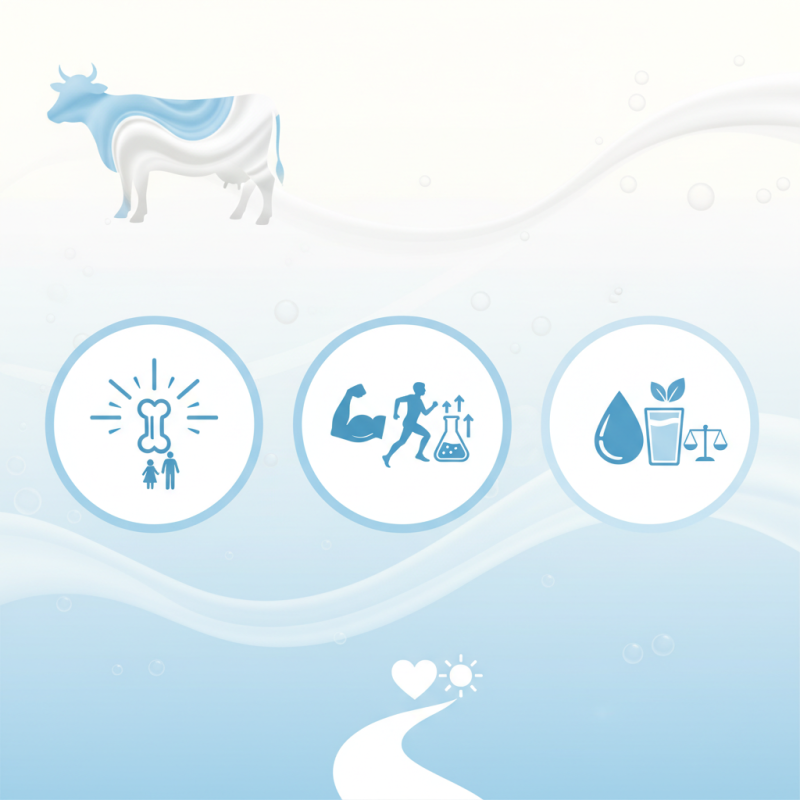
Consuming fresh milk can enhance bone strength, especially in growing children. Regular intake helps prevent osteoporosis in older adults. Moreover, fresh milk supports muscle growth and repair. For athletes, it is an excellent post-workout recovery drink. However, some people have lactose intolerance. This can hinder their ability to enjoy milk’s benefits fully.
Incorporating fresh milk into your diet can contribute to hydration as well. Milk contains water and can help maintain fluid balance. Still, moderation is key. Some may overindulge without realizing its calorie content. Reflecting on personal dietary choices allows for better health decisions, ensuring fresh milk fits your wellness journey effectively.
Health Benefits of Fresh Milk: An Overview
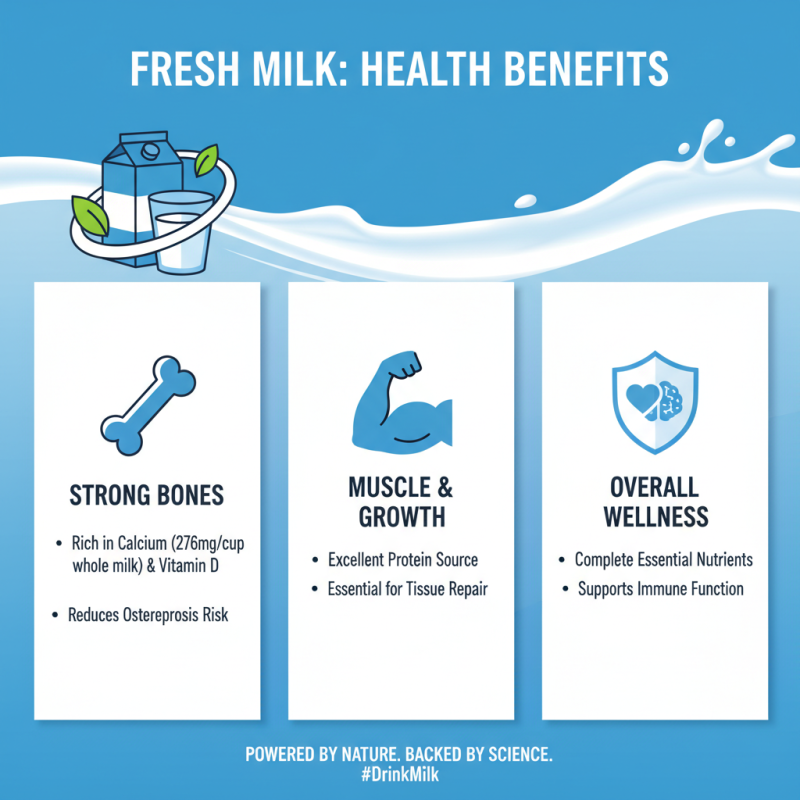
Fresh milk offers numerous health benefits that are backed by research. It is a rich source of essential nutrients like calcium, protein, and vitamin D. According to the USDA, one cup of whole milk contains about 276 mg of calcium. This mineral is vital for bone health. Consuming adequate calcium can significantly reduce the risk of osteoporosis later in life.
Moreover, fresh milk can promote muscle growth and repair. It is packed with high-quality protein, which the body uses for building and repairing tissues. A study published in the Journal of Agricultural and Food Chemistry reveals that milk proteins are superior for muscle recovery post-exercise. Athletes often benefit from integrating fresh milk into their post-workout regimen. However, lactose intolerance affects a significant portion of the population. This is a vital point to reflect on. Not everyone can enjoy these benefits without discomfort.
Fresh milk also contains probiotics, which can aid digestion. Some varieties of fresh milk are enriched with beneficial bacteria. These can enhance gut health and boost the immune system. A report from the International Dairy Journal indicates that probiotics from dairy can help maintain a healthy balance of gut flora. Still, consuming too much fresh milk can lead to unwanted calories and fat intake. Moderation is essential for a balanced diet.
Nutritional Profile of Fresh Milk and Its Components
Fresh milk is a nutrient-dense beverage. It boasts a rich profile of essential vitamins and minerals. One cup of fresh milk contains about 8 grams of protein, which aids in muscle repair and growth. In addition, it provides 30% of the recommended daily intake of calcium, crucial for bone health. Recent studies indicate that calcium supports cardiovascular function, reducing the risk of heart disease.
Fresh milk is also a good source of vitamin D, which enhances calcium absorption. Research from the Dairy Research Institute shows that adequate vitamin D levels can improve mood and immune function. Milk contains various beneficial components, such as probiotics, known for promoting gut health. The live bacteria found in fresh milk can aid digestion and bolster the body's natural defenses.
However, not everyone can digest fresh milk easily. Lactose intolerance affects a large portion of the population globally. This can lead to discomfort and limit the health benefits derived from fresh milk. Despite its many benefits, some people question whether the consumption of milk aligns with their dietary needs or ethical considerations. It's essential to consider these factors while evaluating milk's role in a healthy diet.
Top Benefits of Fresh Milk for Health and Wellness
| Nutrient | Amount per 100ml | Health Benefits |
|---|---|---|
| Calories | 64 kcal | Provides energy for daily activities. |
| Protein | 3.4 g | Supports muscle growth and repair. |
| Fat | 3.7 g | Essential for hormone production and nutrient absorption. |
| Calcium | 120 mg | Important for bone health and strength. |
| Vitamin D | 1 µg | Supports immune function and bone health. |
| Vitamin B12 | 0.5 µg | Vital for red blood cell formation and brain health. |
Impact of Fresh Milk on Bone Health and Calcium Absorption
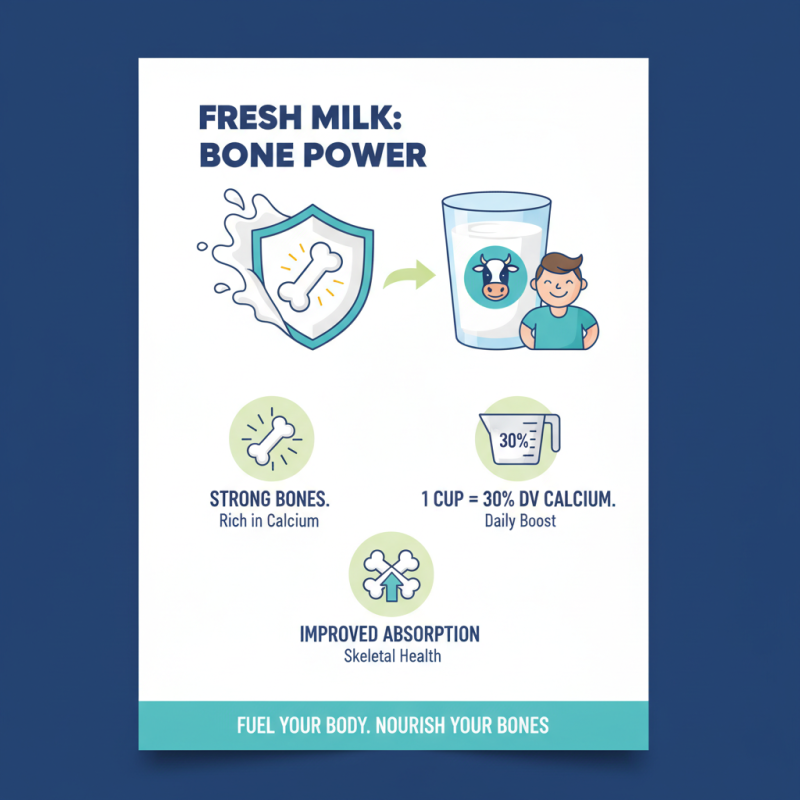
Fresh milk is a powerful source of calcium, vital for maintaining strong bones. It offers a convenient way to boost calcium intake. A single cup of milk provides about 30% of the daily requirement for calcium. This mineral is crucial for bone density and overall skeletal health. Regular consumption of fresh milk can significantly improve calcium absorption in the body.
The proteins and lactose in milk also play a role in bone health. They enhance the body's ability to absorb calcium efficiently. However, not everyone can tolerate lactose. Some individuals may experience discomfort after drinking fresh milk. It is essential to be aware of personal tolerance levels.
Moreover, fresh milk's vitamin D content further aids calcium absorption. While this is beneficial, people sometimes overlook the importance of a balanced diet. Relying solely on milk for calcium is not always the best approach. A variety of food sources should be included for adequate nutrient intake. Reflecting on one’s diet can lead to better health choices.
Fresh Milk's Role in Muscle Recovery and Growth Post-Exercise
Fresh milk is a natural source of protein, essential for muscle recovery. Studies highlight that milk contains both whey and casein protein, which work effectively together to support muscle growth. A report from the Journal of Sports Science indicates that consuming milk post-exercise can lead to a 30% increase in muscle repair compared to other protein sources. The amino acids found in milk help reduce muscle soreness and fatigue.
Moreover, fresh milk is rich in calcium, important for bone health. After intense workouts, bones can experience stress. Calcium not only supports bone density but also aids muscular contractions. The National Institutes of Health notes that adequate calcium intake can help prevent injuries during intense activities. However, not all individuals tolerate lactose well. This inconsistency can lead to missing out on the benefits.
Incorporating fresh milk into your recovery routine can be beneficial, but individual responses vary. Some athletes might find alternative protein sources more suitable. Understanding one’s body reaction is crucial for optimizing recovery and growth. It's essential to find what truly works for your health and wellness goals.
Potential Antioxidant Properties and Immune Support from Fresh Milk
Fresh milk is not just a staple in many diets; it can also offer potential benefits for immune support and antioxidant properties. Rich in vitamins and minerals, fresh milk contains important nutrients like vitamin D and zinc. These components play a critical role in boosting the immune system. Some studies suggest that the proteins in milk may help improve immune responses. However, the effectiveness can vary from person to person.
Antioxidants are essential for combating oxidative stress in our bodies. Fresh milk is believed to contain several antioxidants, such as selenium. These antioxidants help neutralize free radicals, which may help reduce inflammation. Although the exact amounts of these properties can differ in various milk sources, incorporating fresh milk into one's diet may yield some positive effects. It's important to consider personal health conditions as well. Not everyone tolerates dairy equally well, and some might need alternatives to meet their nutritional needs.