2026 Top Bulk Butter Suppliers for Global Buyers?
Global buyers assessing 2026 bulk butter suppliers need more than a low price per tonne. They need consistent butterfat, clear product specifications, dependable shipment windows, and records that support traceability. A supplier’s sample may look excellent, yet performance can change between production lots. Small details matter: sealed cartons, readable batch codes, and pallets arriving without softened edges. Cold rooms matter. So does the handoff between warehouse and carrier.
Dairy scientist Dr. John Lucey’s research on dairy processing supports a useful buying principle: “A product’s quality depends on how carefully it is made and handled.” This is a paraphrase, not a direct quotation. Buyers can apply it by checking manufacturing controls, storage conditions, packaging options, and the supplier’s response when specifications are missed. Ask for recent certificates and product data, then compare them against your intended use, whether bakery, foodservice, or further processing. A supplier suited to one application may not fit another. That part is easy to overlook.
This guide examines leading supplier profiles, sourcing regions, product formats, and practical evaluation criteria for 2026. It does not treat a single ranking as universally reliable; capacity and service can shift by season and destination. Consider it a starting point, not a substitute for reviewing current documentation, requesting samples, and confirming delivery terms directly. The best choice is often less glamorous than the lowest quote. It is the supplier whose product and paperwork remain consistent when the order grows.
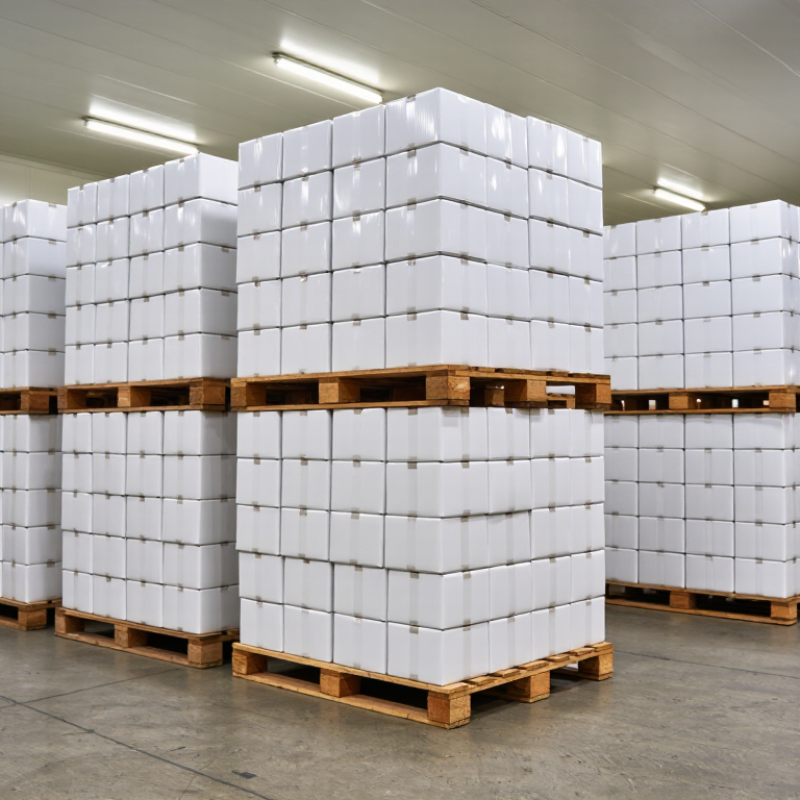
Leading Bulk Butter Suppliers Serving Global Buyers in 2026
In 2026, leading bulk butter suppliers serve global buyers with more than large volumes. They need to provide consistent fat content, clear product specifications, and dependable temperature-controlled shipping. For food manufacturers, even a small change in butter’s texture can affect mixing, baking, or finished-product quality. Ask suppliers for recent batch documentation and sample products before agreeing to a long-term order. Paperwork matters. So does how quickly a supplier responds when a shipment is delayed.
Tips: Compare suppliers on product format, packaging size, minimum order quantity, and delivery options. Confirm how butter is stored during transit and what temperature records are available. Ask how quality concerns are investigated, not just whether they are covered by a written process. Keep a trial order modest. It may reveal handling issues that polished sales materials do not.
A reliable supplier should explain sourcing, traceability, shelf-life details, and applicable food-safety controls in plain language. Check that specifications match your intended use, whether you need blocks for industrial processing or smaller formats for food service. For cross-border purchasing, confirm documentation and import requirements with qualified local advisers. Supplier comparisons are rarely neat; pricing can look attractive until freight, storage, and spoilage risks are included. Leave room for that imperfect calculation.
Supplier Profiles, Production Capacity, and Export Markets
A bulk butter supplier’s profile should show more than annual output. Buyers need to distinguish installed capacity from exportable volume, then check butterfat, moisture, salt, and packaging formats against their specification. The International Dairy Federation’s World Dairy Situation 2024 reports global milk production of about 944 million tonnes in 2023. That scale does not guarantee steady butter supply: milk also goes into cheese, powders, and other products. Capacity is not availability. Ask suppliers for recent production records, monthly allocation ranges, and temperature logs for stored lots.
Export markets differ by origin. USDA’s Dairy: World Markets and Trade identifies the European Union, New Zealand, and the United States among major butter exporters; each serves different routes and product needs. New Zealand suppliers can be attractive for long-haul shipments, while European and US exporters may offer varied pack sizes and specifications. Compare shipment history, lead times, port options, and documentation—not just quoted price. For a real assessment, request a sample certificate of analysis and confirm remaining shelf life at loading. Reports show the broad picture, not every supplier’s performance. I’d still verify capacity directly; published figures can be dated, and a polished profile is not proof of dependable monthly supply.
Bulk Butter Types, Grades, and Buyer Specifications
Bulk butter is not a single, uniform ingredient. Buyers commonly compare sweet-cream and cultured butter, along with salted and unsalted formats. Cultured butter has a tangier flavor, while sweet-cream butter is generally milder. Choose according to the finished product, not only the quoted price. A bakery filling and a laminated pastry may need different flavor and handling properties.
Grades and terminology can vary by producing market, so request the supplier’s documented specification. Check milk-fat content, moisture, salt level, color, aroma, and texture. Ask how each measurement is tested and whether the supplied lot matches the stated grade. Small details matter. A slightly different salt level can affect a bakery formula, while uneven firmness may complicate production. I have seen specifications look complete but leave texture undefined; that gap deserves a follow-up.
Buyer requirements should also cover packaging size, storage temperature, shelf life, batch identification, and delivery conditions. For repeat orders, request a current product specification and a representative sample before confirming volume. Where relevant, review available quality and food-safety documentation, and confirm that it fits your own purchasing requirements. State acceptable ranges clearly, rather than relying on terms such as “premium.” It varies. A short trial run can reveal melting, spreading, or flavor issues that a document cannot show.
How to Compare Suppliers on Quality, Price, and Reliability
For 2026 bulk butter sourcing, compare product specifications before comparing quotations. Ask for milkfat, moisture, salt, packaging, shelf-life, and storage details. Codex Alimentarius Standard CXS 279-1971 sets butter at no less than 80% milkfat and no more than 16% water. Check supplier test results against the specification, not just the product description. A certificate alone may not answer every question.
Price comparisons should include freight, cold-chain handling, packaging, and any costs tied to minimum order sizes. The OECD-FAO Agricultural Outlook 2024–2033 projects global milk production to grow by about 1.6% annually over the decade. That outlook is useful context, but it does not guarantee steady butter supply in every origin or season. Ask suppliers for recent shipment records, production lead times, and a clear process for reporting delays. A very low quote can look attractive until delivery dates move.
Tips: Request a recent batch analysis and confirm how samples are stored and shipped. Compare landed cost per kilogram, not only the factory price. Keep a small buffer for seasonal delays; even a good supplier can miss a window.
Bulk Butter Supplier Quality Benchmark: Codex Composition Limits
These figures are Codex compositional limits for butter, not ratings of individual suppliers. When comparing bulk suppliers, check that product specifications meet the applicable standard, compare like-for-like delivered quotations, and verify reliability through documented delivery performance, traceability, and food-safety certifications. Requirements may vary by product category and destination market.
Source: Codex Alimentarius, Standard for Butter (CXS 279-1971).
Global Sourcing, Trade Compliance, and Cold-Chain Logistics
Global buyers evaluating bulk butter suppliers should look beyond price and annual capacity. Ask for recent product specifications, batch test results, production dates, and clear information about milk origin. A supplier’s ability to provide consistent records matters when shipments cross several borders. Small details count.
Trade requirements differ by destination and product type. Confirm tariff classification, labeling language, health certificates, and import permits with the relevant authorities or a qualified customs adviser. Match every document to the shipment, including lot numbers and declared net weight. A missing certificate can delay clearance, even when the butter itself meets the agreed specification. Requirements can change, so old paperwork is not enough.
Cold-chain planning deserves equal attention. Agree on a temperature range with the supplier and carrier, based on the product specification. Check that cartons are intact, pallets are stable, and reefer settings are recorded at loading. Use temperature loggers where practical, and decide in advance who reviews the data on arrival. A brief reading at delivery may miss a warm period during transit. Even a careful checklist can overlook a handoff; that is worth reviewing after each shipment. Keep enough buffer time for border inspections, port congestion, and inland transport, especially during warmer months.
Related Posts
-
Top Tips for Sourcing Quality Grassland Butter Globally
-

2026 Best Real Butter Suppliers for Global Buyers?
-
What Is Bulk Butter and How Do Global Buyers Source It?
-

How to Choose the Best Lactose Free Food for Your Diet?
-

Why Choose Plant Butter for Your Cooking Needs?
-

Top 10 Uses for Bulk Butter in Cooking and Baking?