2026 Best Grass Fed Milk Suppliers for Global Buyers?
Global buyers are reassessing dairy supply chains, and grass fed milk is gaining attention. The interest is practical, not merely promotional. Buyers want clearer origin records, stronger animal-welfare evidence, and dependable nutrition claims. However, “grass fed” has no single global definition. Standards differ between the United States, Australia, New Zealand, Europe, and emerging markets.
The OECD-FAO Agricultural Outlook 2024–2033 identifies dairy as a major contributor to global food demand and expects production growth to remain concentrated in efficient producing regions. FAOSTAT also shows the scale and diversity of international milk production. These reports offer useful market context, but they do not confirm a supplier’s pasture practices. That distinction matters. A country-level statistic cannot replace a farm audit.
The 2026 supplier review should therefore examine more than price and export capacity. Reliable suppliers should provide traceable farm records, feeding policies, veterinary controls, processing details, and current laboratory results. Look for batch documentation covering fat, protein, somatic cell count, microbiological safety, and cold-chain handling. A tanker leaving the plant at controlled temperature tells buyers more than a polished sustainability slogan.
Certification can strengthen confidence. USDA Agricultural Marketing Service guidance, EU organic rules, and recognized third-party systems provide useful reference points. Yet certification scope and audit frequency still require careful comparison. The strongest suppliers explain gaps openly. Some records may be incomplete. That is worth noting.
This guide compares leading grass fed milk suppliers for global buyers in 2026. It considers product consistency, export readiness, documentation, sustainability evidence, and communication quality. No ranking is perfect. Regional conditions, seasonal pasture changes, and buyer specifications can alter the final decision. unerquicklich
What Defines Grass-Fed Milk and Why Global Buyers Choose It
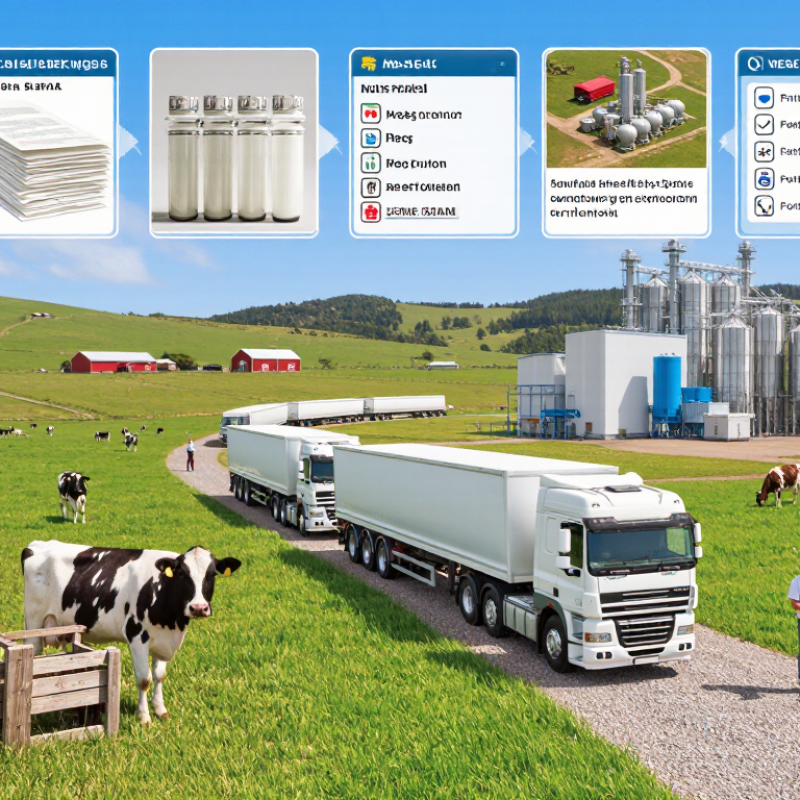
Grass-fed milk comes from cows eating mainly pasture, forage, or conserved grass. However, no single global definition controls every market. Rules differ by country, certification body, and contract. Serious buyers should verify grazing days, feed records, veterinary controls, and farm audits. The label sounds simple. The supply chain is not.
FAOSTAT data show global milk production exceeds 900 million tonnes annually. This scale increases demand for traceable, differentiated dairy products. Research published in the Journal of Dairy Science links pasture-based feeding with higher omega-3 and conjugated linoleic acid levels in some milk. Results vary with breed, season, forage quality, and processing. That limitation matters. Grass-fed does not automatically mean healthier or more sustainable. The FAO’s livestock assessments also show that environmental performance depends on emissions, land use, water, and farm management.
Tips: Request independent feed audits and batch-level traceability. Check whether “grass-fed” permits grain supplements. Ask for laboratory testing, residue controls, and cold-chain records. Compare certificates with local import requirements. A pasture photograph proves very little. Buyer specifications should define measurable thresholds, not attractive language. Suppliers should also disclose seasonal changes, because winter rations can alter the product profile. Be careful with carbon claims. They require verified farm data, not marketing assumptions.
What Defines Grass-Fed Milk and Why Global Buyers Choose It
Indicative nutritional differences associated with pasture-rich feeding, using conventional milk as a baseline index of 100
Grass-fed milk generally comes from cows receiving most of their diet from fresh pasture, forage, or hay rather than grain-based feed. Research indicates that pasture-rich diets can increase omega-3 fatty acids and conjugated linoleic acid (CLA), while lowering the omega-6-to-omega-3 ratio. These indicators help global buyers evaluate nutritional positioning, sourcing transparency, and premium dairy specifications. Actual results vary by breed, season, pasture quality, geography, and feeding protocol.
Source basis: findings reported in peer-reviewed reviews and pasture-based dairy studies, including Chilliard et al. (2007) and Lourenço et al. (2016). The index is indicative rather than a universal regulatory standard.
Key Standards for Verifying Grass-Fed Milk Suppliers in 2026
2026 Best Grass Fed Milk Suppliers for Global Buyers?
Key Standards for Verifying Grass-Fed Milk Suppliers in 2026
Global milk production is projected to reach about 1.14 billion tonnes by 2033, according to the OECD-FAO Agricultural Outlook 2024-2033. Annual growth may approach 1.6%. This expanding market increases the risk of vague grass-fed claims. Buyers should request written feed policies, pasture maps, livestock records, and third-party audit reports. In the United States, “grass-fed” is not a single universal production rule. Supplier definitions can differ.
Strong verification connects farm evidence with product testing. Check whether cattle receive pasture-based feed throughout the declared period. Ask for records covering hay, silage, grain, veterinary treatments, and animal movements. Review certification scope, audit dates, corrective actions, and chain-of-custody controls. ISO 22000 or HACCP systems support food safety, but they do not prove grass-fed production. FAO dairy guidance also highlights traceability, hygiene, and responsible animal management as core supply-chain controls.
Tips: Request a sample traceability exercise. The supplier should identify the farm, milking date, processing site, batch number, and shipment record within one business day. Compare pasture photos with seasonal records. Photos alone are weak evidence. A useful improvement is testing stable-isotope or fatty-acid patterns when claims remain uncertain. These tests cannot replace audits, and their interpretation may vary. That limitation deserves attention. Ask for independent laboratory accreditation and recent results. Avoid suppliers offering only glossy certificates, because certification scope may exclude the actual export facility.
Leading Grass-Fed Milk Supplier Regions and Product Categories
For global buyers, leading grass-fed milk regions combine pasture access, traceability, and reliable chilling systems. New Zealand and Australia offer large pasture-based supply networks. Ireland provides seasonal milk with strong grass utilization. Uruguay and selected European regions also support export-oriented grass-fed production. The United States has capable pasture farms, although supply can be more fragmented. OECD-FAO Agricultural Outlook 2024-2033 expects global milk production to exceed one billion tonnes during the outlook period. FAOSTAT also records recent annual production above 900 million tonnes. These figures show scale, but they do not prove every shipment is grass-fed.
Product categories differ by region and processing capacity. Fresh chilled milk suits nearby markets with short transit times. UHT milk supports longer routes and ambient storage. Skimmed and whole milk powders reduce freight risk. Cream, butter, and cheese provide higher-value options for buyers needing longer shelf life. Supplier documents should show pasture standards, feeding records, farm collection dates, laboratory results, and temperature controls. A certificate alone is not enough. Weak farm-level verification remains a concern.
Tips: Ask for twelve months of test results, not one attractive sample. Confirm whether “grass-fed” means a minimum pasture diet or a stricter feeding standard. Check seasonal volume changes before signing contracts. Packaging also matters; powder bags need moisture protection, while chilled milk needs uninterrupted cold-chain records. Regional comparisons can be imperfect because definitions and audit methods vary. That limitation deserves attention.
How to Compare Quality, Pricing, Certifications, and Supply Capacity
Global buyers should compare grass-fed milk suppliers through evidence, not attractive claims. Start with the production system. Ask how grazing is managed, how often animals access pasture, and what supplementary feed is allowed. Review farm records, veterinary controls, milking hygiene, and temperature logs. A clear certificate matters. However, certification rules differ across markets, so confirm whether the document is accepted in your destination country. Request recent laboratory reports for fat, protein, microbiological safety, antibiotic residues, and shelf life.
Pricing needs a landed-cost view. Compare the product price, minimum order quantity, packaging, freight, insurance, customs duties, and cold-chain charges. Ask whether prices change during dry seasons. A low quote may hide short shelf life or expensive refrigerated handling. I would also compare payment terms and currency risks. Keep it practical. One overlooked fee can erase a small price advantage.
Supply capacity is more than a monthly number. Request verified output by month, lead times, loading schedules, and backup arrangements during weather disruptions. Check whether the supplier can maintain the same quality across larger orders. Traceability should reach the farm, batch, and delivery temperature record. Speak with technical staff, not only sales representatives. Their answers often reveal operational experience. No comparison is perfect. Some buyers overvalue certificates and undercheck daily handling. A site audit, when possible, may expose gaps that paperwork misses.
Import, Logistics, and Compliance Factors for International Buyers
2026 Best Grass Fed Milk Suppliers for Global Buyers?
International buyers should assess grass-fed milk suppliers beyond pasture claims and attractive pricing. A credible supplier should provide farm-level traceability, feeding records, veterinary controls, and recent laboratory results. Ask for production dates, shelf-life data, allergen statements, and certificates issued by recognized authorities. These records reveal whether the supplier manages quality consistently.
Import documents must match the cargo exactly. Check the commercial invoice, packing list, certificate of origin, health certificate, and transport details before loading. Small inconsistencies can delay customs clearance. Import rules also differ by destination, especially for dairy products, labeling, additives, and permitted microorganisms. Local customs brokers can verify requirements, but buyers should review the advice themselves. Blind trust is risky.
Milk needs a controlled cold chain from collection to delivery. Use validated refrigerated transport, temperature loggers, and clear procedures for rejected shipments. A contract should define Incoterms, insurance, inspection rights, payment stages, and responsibility for temperature deviations. Suppliers should explain their recall process and provide emergency contacts outside normal office hours. Paper compliance is not always operational compliance. A recent audit may still miss seasonal feed changes or weak loading practices. Buyers should test smaller shipments before scaling volumes, even when the supplier appears experienced. That step costs more time, but it can expose delays, damaged packaging, or unclear documentation before a full container is committed.
Related Posts
-
2026 Top Plant Butter Brands and Their Health Benefits
-
China Top Farm Milk Brands and Their Unique Features?
-

Top 10 Uses for Bulk Butter in Cooking and Baking?
-

7 Best Plant Butter Suppliers for Global Buyers
-
2026 Best Daily Milk Suppliers for Global Importers?
-

Best Ways to Order Milk Online for Global Buyers?