2026 Best Grass Fed Butter Suppliers for Global Buyers
Global buyers entering the 2026 dairy market need more than a bright package and a “pasture-raised” claim. They need grass fed butter suppliers with verifiable farms, stable production, and clear export documentation. This guide examines leading producers through practical buying criteria, including pasture management, milk-testing records, cold-chain control, certifications, packaging formats, and delivery performance. A supplier may offer beautiful golden butter, yet still struggle with seasonal volume or distant port delays. That matters.
Nutrition researcher Dr. Mary Enig wrote, “Butter is a rich source of vitamin A.” Her observation helps explain why sourcing practices deserve closer attention. Cows feeding on fresh pasture can produce butter with a deeper color and a distinctive, creamy flavor, although color alone proves little. Buyers should request laboratory results, feeding statements, batch codes, and audit records before signing contracts. Trust must be documented.
The best suppliers for global buyers will not necessarily be the largest companies. Some smaller creameries provide stronger traceability, while larger exporters may offer better container capacity and private-label support. Both models have weaknesses. A supplier’s website can look polished. Its logistics may still be untested.
This introduction sets the framework for comparing 2026 grass fed butter suppliers by quality, reliability, transparency, and international readiness. It also considers an uncomfortable reality: “grass fed” standards differ between markets, and labels can create false confidence. Careful buyers should verify every important claim.

What Makes Grass-Fed Butter Suitable for Global Buyers
2026 Best Grass Fed Butter Suppliers for Global Buyers
Grass-fed butter suits global buyers because its value can be assessed through clear production details. Cattle feed records, farm locations, and seasonal milking data help buyers verify origin. A clean, creamy aroma and firm texture also provide useful quality signals. Yet sensory checks should support laboratory testing, not replace it. Fat content, moisture, microbiological results, and contaminant screening need consistent documentation. Traceability matters.
Export-ready butter must survive long distances without losing structure or safety. Reliable suppliers usually use sealed packaging, controlled storage, and documented cold-chain procedures. Buyers should confirm temperature ranges from factory loading to final delivery. Product specifications should list butterfat percentage, salt level, pack size, shelf life, and storage conditions. Clear certificates reduce delays during customs review. They also support retailer and food-service requirements in different markets.
Seasonal variation deserves honest attention. Grass quality changes with weather, so color and flavor may shift slightly. This is normal, but large differences can concern buyers. Suppliers should explain these changes and provide retained samples. I would not judge quality from a bright yellow color alone. Feed, processing, and storage can all influence appearance. Global buyers also need practical communication, stable lead times, and responsive handling of complaints. No shipment is perfect. The strongest supplier is one that measures problems, reports them plainly, and improves the next batch.
| Supplier Profile | Typical Supply Region | Grass-Fed Definition to Verify | Typical Butter Specification | Common Export Formats | Typical Shelf-Life Range | Key Documentation | Best Fit for Global Buyers |
|---|---|---|---|---|---|---|---|
| Pasture-based dairy cooperative | Temperate regions with established pasture systems | Animals receive a predominantly forage-based diet; the exact minimum grazing or grass-feed percentage must be confirmed in the supplier standard. | Unsalted or salted butter; generally about 80–84% milk fat, with moisture and salt declared on the product specification. | 25 kg cartons, 10 kg blocks, and retail portions | Approximately 12–24 months when frozen or stored under the stated conditions | Product specification, certificate of analysis, health certificate, certificate of origin, allergen statement, and lot traceability records | Importers seeking consistent volume, standard documentation, and private-label or foodservice supply |
| Certified organic pasture dairy | Markets operating under recognized organic regulations | Organic certification normally requires certified feed and restrictions on prohibited inputs; “grass-fed” remains a separate claim that should be checked. | Organic butter in salted or unsalted formats; commonly supplied in blocks or consumer packs. | 25 kg cartons, 5 kg or 10 kg blocks, and retail packs | Usually 12–24 months, depending on packaging, temperature, and market requirements | Valid organic certificate, transaction certificate where applicable, health certificate, product specification, and traceability documentation | Premium retail, natural-food distribution, and buyers requiring certified organic credentials |
| Seasonal pasture dairy | Regions where milk production changes significantly with pasture conditions | Feed composition can vary by season; buyers should request annual feed-policy statements and seasonal production details. | Butter color and flavor may vary naturally with forage conditions; fat content is typically stated on the technical sheet. | Bulk blocks, cartons, and selected foodservice sizes | Approximately 12–24 months, subject to storage and packaging | Seasonal specification, certificate of analysis, country-of-origin documents, health certificate, and batch traceability | Buyers who value natural seasonal characteristics and can manage specification variation |
| High-volume export dairy processor | Large dairy-exporting countries with established cold-chain infrastructure | Grass-fed claims should be supported by a documented feed-control program, audit records, or an applicable certification scheme. | Standardized salted or unsalted butter, often produced for industrial, bakery, and foodservice use. | 25 kg cartons, palletized blocks, and bulk food-manufacturing formats | Commonly 18–24 months under frozen storage, subject to the approved product specification | Commercial invoice, packing list, certificate of origin, health certificate, certificate of analysis, allergen statement, and HACCP or food-safety records | Large import programs requiring reliable shipment planning and standardized specifications |
| Specialty cultured-butter producer | European and other markets with established cultured-dairy traditions | Grass-fed status and the use of live cultures are separate claims; both should be documented independently. | Cultured butter with a more pronounced dairy flavor; usually offered salted or unsalted with declared milk-fat content. | Blocks, foodservice rolls, and premium retail packs | Often 9–18 months, depending on production method and packaging | Ingredient statement, culture declaration, product specification, certificate of analysis, allergen information, and origin documents | Premium culinary, bakery, hospitality, and specialty retail channels |
| Private-label contract manufacturer | Major dairy-processing hubs serving international brands and distributors | Grass-fed wording, audit requirements, and claim substantiation can usually be aligned with the buyer’s target market. | Customizable fat level, salt level, pack size, carton design, and labeling subject to minimum order quantities. | Retail packs, foodservice packs, multipacks, and bulk cartons | Typically 12–24 months, confirmed by the final validated specification | Artwork approval, ingredient and nutrition data, certificate of analysis, food-safety certification, traceability plan, and export documents | Distributors and retailers developing differentiated products without owning a processing facility |
| Small-batch artisan dairy | Local or regional pasture-based dairy areas | Claims may rely on farm-level practices; buyers should request written feed records, audit evidence, and a clear definition of “grass-fed.” | Distinctive flavor and variable seasonal color; supply volume and technical consistency may be limited. | Wrapped blocks, small cartons, and premium retail formats | Often 6–12 months, depending on the product and storage method | Local regulatory approvals, product specification, allergen statement, batch records, certificate of analysis where available, and origin information | Specialty stores, restaurants, chef-led distribution, and premium direct-import programs |
| Bulk ingredient supplier | International dairy ingredient trading and processing markets | Grass-fed status must be linked to an auditable milk-sourcing policy rather than inferred from country of origin alone. | Industrial butter supplied according to buyer requirements for fat content, salt, moisture, microbiological limits, and application. | 25 kg cartons, palletized blocks, and larger contract volumes | Usually 18–24 months under controlled frozen storage | Full technical data sheet, certificate of analysis, microbiological results, allergen statement, health certificate, origin certificate, and traceability records | Food manufacturers, bakeries, confectionery producers, and institutional buyers |
Note: The values shown are typical market ranges and buyer-check dimensions, not guarantees for every supplier. Actual grass-fed claims, fat content, shelf life, certifications, minimum order quantities, labeling rules, and import requirements must be confirmed against the current supplier specification and destination-country regulations.
Related Posts
-
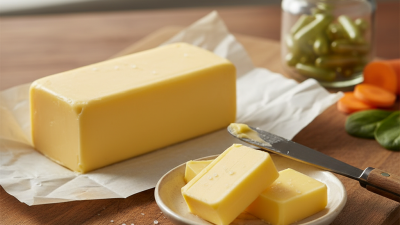
How to Choose the Best Grass Fed Butter for Your Healthy Diet?
-

2026 Top Benefits of Grass Fed Butter for Your Health and Diet?
-

Best Ways to Order Milk Online for Global Buyers?
-
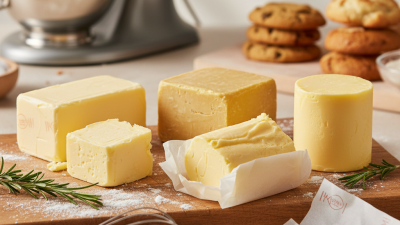
Best Unsalted Butter for Baking Which Brands to Choose?
-

Top 10 Uses for Bulk Butter in Cooking and Baking?
-

China Best Milk Delivered Options for Fresh Dairy Products
