2026 Best China Air Pick Suppliers for Global Buyers?
For global buyers, choosing a China Air Pick in 2026 requires more than comparing prices. The real test begins with steel hardness, piston consistency, air efficiency, and supplier accountability. A dependable model should deliver steady impact under demanding conditions, from concrete repair sites to foundry floors and heavy maintenance workshops.
Li Jun, a pneumatic-tool quality consultant with export inspection experience, explains: “A reliable air pick is proven by repeated performance, not by a polished catalogue.” His observation remains practical. Buyers should examine material certificates, factory test records, vibration data, and spare-parts availability. They should also confirm working pressure, air consumption, shank dimensions, blow frequency, and operator controls. Small details matter. A poorly matched hose can weaken impact and increase downtime.
This guide reviews leading China Air Pick Suppliers for international purchasing teams in 2026. It considers manufacturing depth, quality systems, customization capability, packaging, communication, and after-sales support. Supplier claims still require verification. Product photos can hide inconsistent machining. A low quotation may exclude testing, replacement parts, or secure export packaging. That risk is easy to underestimate.
The strongest suppliers usually provide clear drawings, traceable batches, sample testing, and responsive technical support. Yet no shortlist is perfect. Buyer requirements differ, and factory performance can change over time. For that reason, this overview combines documented specifications with practical purchasing questions. It aims to help distributors, contractors, and industrial buyers make a careful decision before placing a large order.
What Is an Air Pick and Where Is It Used?
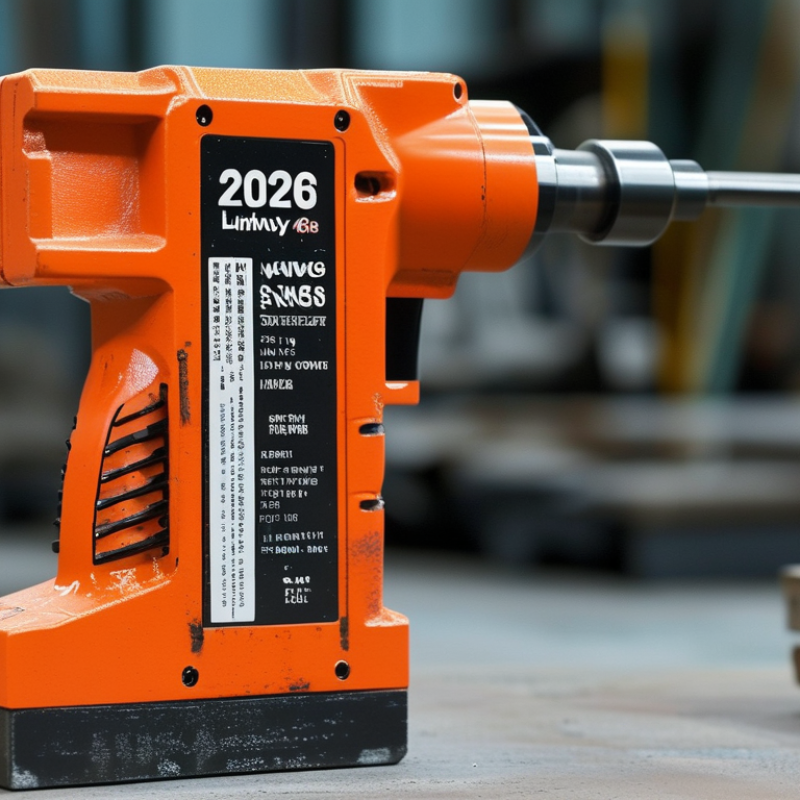
An air pick is a compact pneumatic tool that delivers repeated blows through a pointed or chisel-shaped bit. Compressed air drives the internal piston, creating fast impact energy. Unlike a large breaker, it offers better control in narrow spaces. The tool feels simple, but its performance depends on air pressure, hose size, bit quality, and operator technique.
Air picks are used for removing concrete around repair areas, breaking light masonry, cleaning casting sand, and trimming excess metal in foundries. Road maintenance crews may use them around drain covers or damaged pavement. Shipyards and workshops also use them for rust, scale, and hardened deposits. They are not suitable for every material. Dense reinforced concrete may require a heavier breaker.
For global buyers comparing China-based suppliers, practical testing matters more than catalogue claims. Ask for impact rate, air consumption, working pressure, net weight, noise data, and available bit sizes. Request inspection records and a sample before placing a large order. In real projects, buyers often underestimate compressor capacity. That mistake reduces impact strength and overheats the tool. A supplier should explain hose requirements, lubrication, vibration control, and replacement parts clearly. I would also check packing quality and after-sales response. A low purchase price can become expensive when seals fail or spare bits arrive late. Operators need eye, hearing, hand, and foot protection, with local workplace rules followed.

Key Factors for Evaluating Chinese Air Pick Suppliers
2026 Best China Air Pick Suppliers for Global Buyers?
Key Factors for Evaluating Chinese Air Pick Suppliers
Choosing an air pick supplier requires more than comparing catalog prices. Check the tool’s working pressure, impact rate, stroke length, and air consumption. These figures should match your compressor and material conditions. A supplier should provide test data, not vague performance claims.
Ask for samples before placing a large order. Test them on concrete, castings, or compacted soil, depending on your application. Observe vibration, trigger response, noise, and heat after continuous operation. Measure output at your actual air pressure, such as 0.63 MPa. Small differences can affect daily productivity. They matter.
Inspect production controls closely. Reliable suppliers should trace steel batches, heat treatment records, and dimensional inspections. Request photos or videos of machining, assembly, and final testing. Independent inspection can verify these records when the order is important. Do not rely only on a polished factory tour. That approach has failed many buyers.
Spare parts and technical support also deserve careful review. Confirm the availability of pistons, valves, springs, hoses, and maintenance kits. Ask how quickly the supplier handles defects and replacement requests. Clear packaging details reduce damage during long-distance shipping. Certifications may support credibility, but they cannot replace practical testing. A cheaper tool may become expensive when parts are difficult to obtain. Supplier communication is another useful test: precise answers usually reveal stronger process knowledge, while repeated delays should invite reflection.
Top China Air Pick Suppliers for Global Buyers in 2026
China remains a major sourcing base for pneumatic tools, including air picks used in construction, foundries, and maintenance. MarketsandMarkets’ 2024 Pneumatic Tools Market report projects steady global growth through 2028, supported by industrial automation and replacement demand. Grand View Research also reports continued expansion in the wider power tools market. These figures cover broader categories, not air picks alone, so buyers should avoid exaggerated supplier claims.
The strongest China air pick suppliers usually provide clear specifications, sample testing, and stable export documentation. Check impact frequency, air consumption, shank size, vibration control, and operating pressure. Request factory videos, inspection records, and spare-parts lists. ISO 9001 certification can indicate process control, but it does not guarantee product performance. A polished catalog is not proof. I would test several samples under dusty, high-load conditions before approving a large order. Even experienced buyers sometimes focus too much on price.
Tips: Compare tested output, not only advertised power. Confirm the working pressure matches your compressor. Ask for noise and vibration data. Review carton strength and corrosion protection for long-distance shipping. Independent inspection is worthwhile, especially when supplier records are incomplete. A small weakness in valve sealing may remain invisible during a short demonstration. Calibration details should also be recorded, although many purchasing teams overlook them.
How to Compare Air Pick Models, Quality, and Prices
When comparing air pick models, start with the work, not the catalog price. A compact pick suits light chipping and controlled repairs. Larger piston models deliver stronger impact for concrete, masonry, or packed soil. Check blows per minute, air consumption, tool weight, shank size, and operating pressure together. A powerful model may become tiring after only twenty minutes. It may also require a larger compressor and longer air hose.
Quality appears in small details. Inspect the cylinder finish, piston fit, valve design, and sealing materials. Ask suppliers for dimensional drawings, pressure-test records, material certificates, and replacement-part lists. Reliable suppliers should explain noise, vibration, lubrication, and maintenance requirements clearly. In practical trials, listen for irregular exhaust and feel for unusual heat. These signs can reveal poor machining or weak seals. I once focused too heavily on impact strength and overlooked handle vibration. The tool performed well, but operators avoided using it for long shifts.
Price comparison needs a wider lens. Include freight, spare parts, lubricant, compressor capacity, downtime, and warranty support. Request the same configuration from each supplier, including hose fittings and accessories. Otherwise, a low quotation may simply exclude necessary items. Test several samples under similar pressure and material conditions. Record output, air use, operator fatigue, and repair frequency. The cheapest option can become expensive when seals fail early. Yet a higher price does not automatically prove better quality. That assumption deserves checking.
2026 Best China Air Pick Suppliers for Global Buyers? - How to Compare Air Pick Models, Quality, and Prices
| Generic Model | Tool Type | Body Material | Overall Length | Net Weight | Shank Size | Blows per Minute | Air Consumption | Recommended Air Pressure | Rated Power | Noise Level | Vibration Level | Typical Applications | Indicative FOB Price | Buyer Evaluation |
|---|---|---|---|---|---|---|---|---|---|---|---|---|---|---|
| Light-Duty and General Maintenance Air Picks | ||||||||||||||
| AP-25L | Light-duty air pick | Forged steel body | 280 mm | 2.3 kg | 10.2 mm round | 2,800 bpm | 0.45 m³/min | 0.63 MPa | Approx. 0.45 kW | 98 dB(A) | 13.5 m/s² | Light concrete breaking, brickwork, scale removal, general repair | US$38–55 | ★★★★☆ |
| AP-30M | Medium-duty air pick | Heat-treated alloy steel | 320 mm | 3.1 kg | 12.7 mm round | 2,400 bpm | 0.55 m³/min | 0.63 MPa | Approx. 0.60 kW | 101 dB(A) | 14.8 m/s² | Masonry work, foundry cleaning, concrete patching, maintenance work | US$48–72 | ★★★★☆ |
| AP-35S | Short-stroke air pick | Forged carbon steel | 300 mm | 2.8 kg | 12.7 mm hexagonal | 2,700 bpm | 0.50 m³/min | 0.63 MPa | Approx. 0.55 kW | 100 dB(A) | 14.2 m/s² | Fast chipping, mortar removal, surface preparation and repair | US$45–68 | ★★★★☆ |
| Heavy-Duty and High-Impact Air Picks | ||||||||||||||
| AP-40H | Heavy-duty air pick | Alloy steel with hardened cylinder | 410 mm | 4.9 kg | 14.7 mm round | 2,100 bpm | 0.78 m³/min | 0.63 MPa | Approx. 0.85 kW | 104 dB(A) | 16.5 m/s² | Concrete demolition, road repair, mineral processing and heavy maintenance | US$72–108 | ★★★★★ |
| AP-45H | Long-stroke heavy-duty air pick | Forged alloy steel | 455 mm | 5.8 kg | 17.5 mm round | 1,850 bpm | 0.92 m³/min | 0.63 MPa | Approx. 1.00 kW | 106 dB(A) | 17.8 m/s² | Dense concrete, hard refractory material, quarry and infrastructure work | US$95–138 | ★★★★★ |
| AP-50R | Rock-breaking air pick | Heat-treated alloy steel | 520 mm | 7.2 kg | 19.0 mm round | 1,650 bpm | 1.12 m³/min | 0.63 MPa | Approx. 1.25 kW | 108 dB(A) | 19.6 m/s² | Rock breaking, asphalt removal, trenching and heavy excavation support | US$125–185 | ★★★★☆ |
| Ergonomic, Low-Vibration and Specialized Configurations | ||||||||||||||
| AP-30V | Low-vibration medium-duty pick | Alloy steel with elastomer grip | 335 mm | 3.4 kg | 12.7 mm round | 2,300 bpm | 0.58 m³/min | 0.63 MPa | Approx. 0.60 kW | 99 dB(A) | 10.8 m/s² | Longer maintenance shifts, ship repair, plant maintenance and masonry | US$68–98 | Best for operator comfort |
| AP-35E | Exhaust-controlled air pick | Forged steel with rear exhaust | 350 mm | 3.6 kg | 14.7 mm hexagonal | 2,200 bpm | 0.62 m³/min | 0.63 MPa | Approx. 0.68 kW | 100 dB(A) | 13.1 m/s² | Confined-area chipping, indoor repair, vertical and overhead work | US$62–92 | Best for controlled exhaust direction |
| AP-25C | Compact air pick | Machined steel body | 255 mm | 2.1 kg | 10.2 mm round | 3,000 bpm | 0.42 m³/min | 0.63 MPa | Approx. 0.40 kW | 97 dB(A) | 13.8 m/s² | Automotive repair, light castings, tile removal and workshop applications | US$35–52 | Best for portability |
| AP-40O | Oil-resistant industrial air pick | Surface-treated alloy steel | 420 mm | 5.1 kg | 14.7 mm round | 2,000 bpm | 0.82 m³/min | 0.63 MPa | Approx. 0.90 kW | 104 dB(A) | 16.2 m/s² | Industrial production lines, oily workshops, shipyards and steel fabrication | US$82–122 | ★★★★☆ |
| Comparison Criteria for Global Buyers | ||||||||||||||
| Quality Control | Recommended minimum requirement | Material traceability, heat-treatment records, dimensional inspection and functional testing | Request test data at the stated pressure and air-flow condition | Check noise and vibration measurement method | Confirm replacement-part availability and service life claims | Priority: High | ||||||||
| Price Comparison | Comparable quotation basis | Compare the same tool configuration, shank size, hoses, fittings, chisels and packaging | Separate product price from tooling and spare-part cost | Verify whether prices are FOB, FCA or delivered | Include inspection, certification and after-sales costs | Priority: High | ||||||||
| Supplier Verification | Pre-order checks | Review factory capacity, export experience, inspection process and sample consistency | Use a sample order before long-term procurement | Confirm warranty terms in writing | Request product drawings, manuals and packing specifications | Priority: High | ||||||||
How to Verify, Order, and Import from a Chinese Supplier
Selecting a reliable China air pick supplier requires more than comparing online prices. Ask for the company’s business license, production address, export history, and current workshop photos. A live video inspection can reveal whether machining, assembly, and testing happen in-house. Request recent test reports, material specifications, noise data, and maintenance instructions for the exact model.
Order a sample before discussing large quantities. Test it with your own air compressor, hose, fittings, and working conditions. Check impact strength, vibration, trigger response, lubrication needs, and replacement-part availability. Keep a written record of every requirement. Verbal promises can disappear.
Confirm the commercial details in a formal quotation. It should state model, quantity, unit price, packaging, lead time, warranty, spare parts, and Incoterms. Clarify whether the price includes export documents and inland delivery. A small deposit may reduce risk, but payment terms still need careful review. Do not approve production until the sample and final drawing match.
For importing, ask a licensed customs broker to verify the HS code, duties, product markings, and safety documents for your destination. Confirm wooden packaging treatment when applicable. Inspect cartons before shipment and use photos, serial numbers, and a pre-shipment report. Independent inspection costs money. It can prevent a larger loss.
No checklist is perfect. Specifications may change quietly. Recheck them before every order. A supplier’s fast reply is useful, but consistent records are more trustworthy.
